
Last updated November 15, 2026
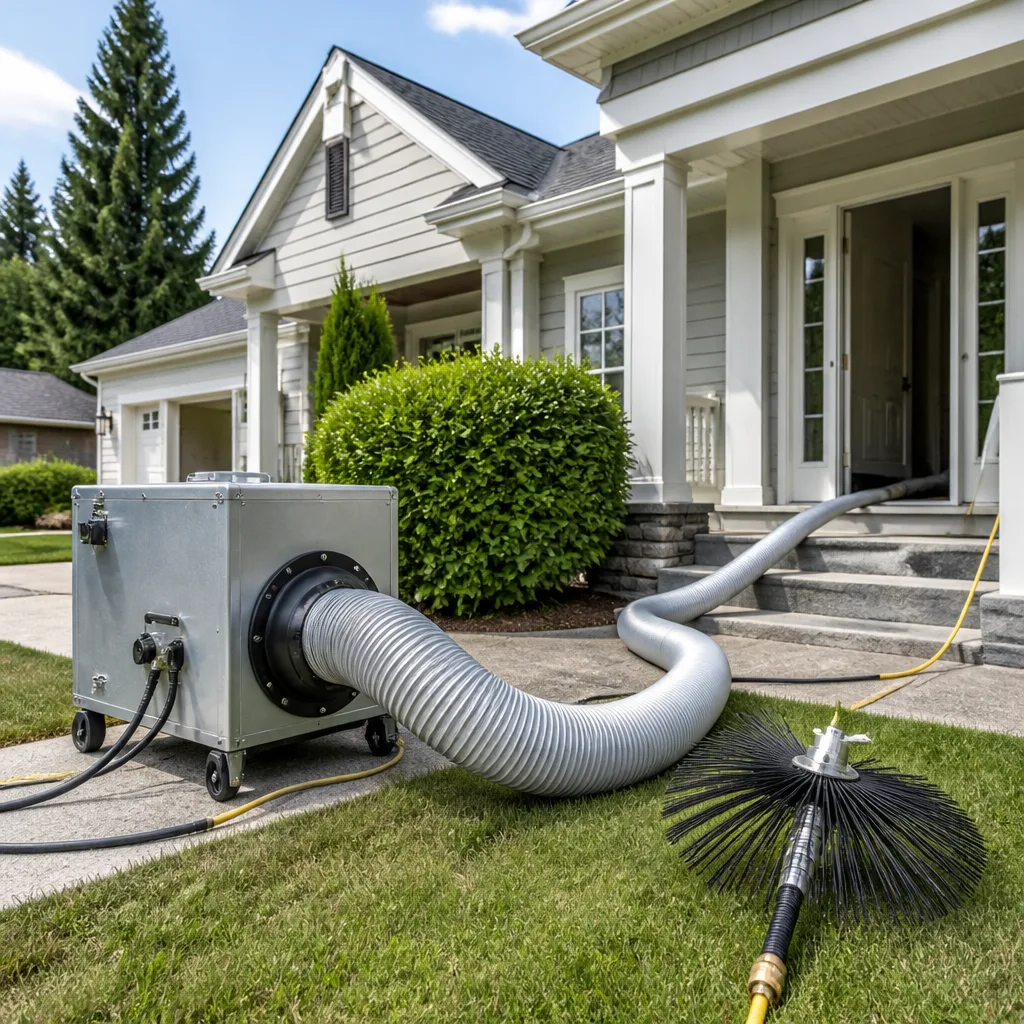 Whole-home duct cleaning
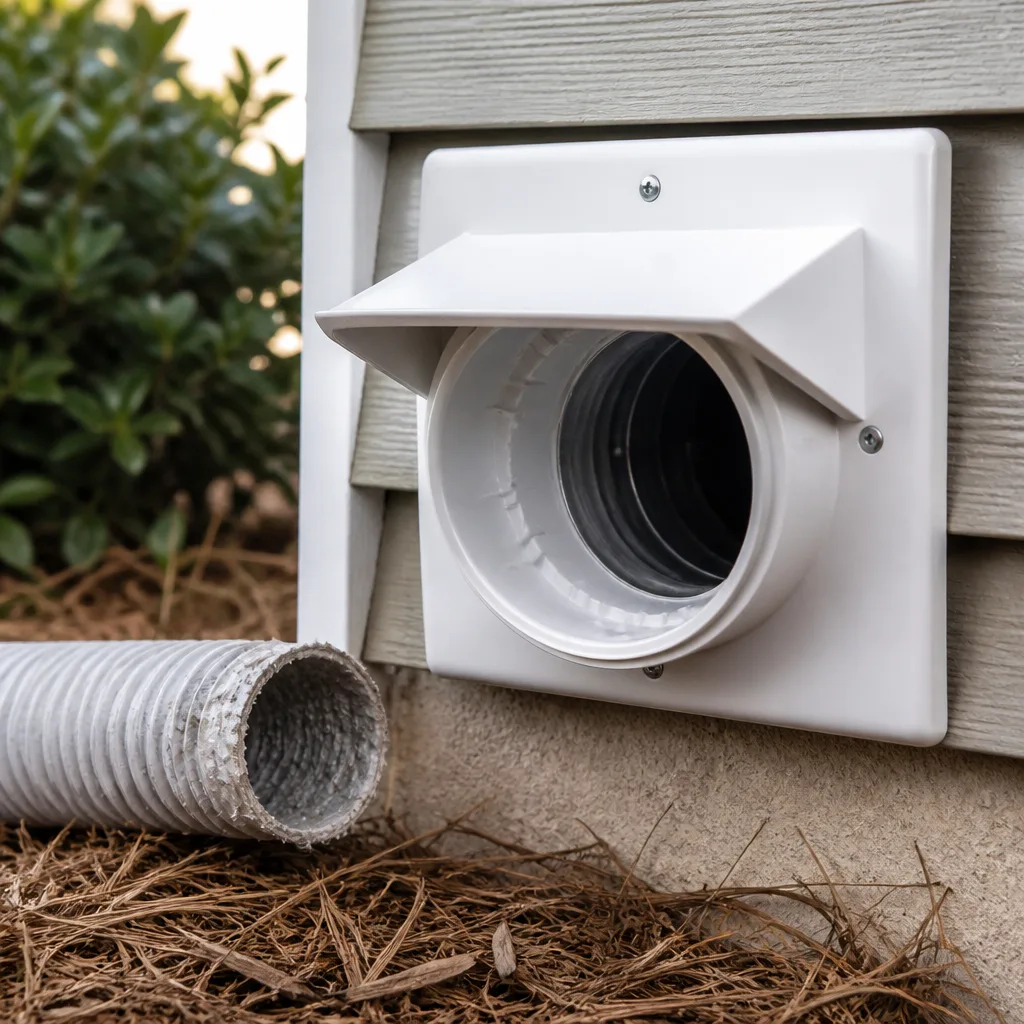 Dryer vent cleaning
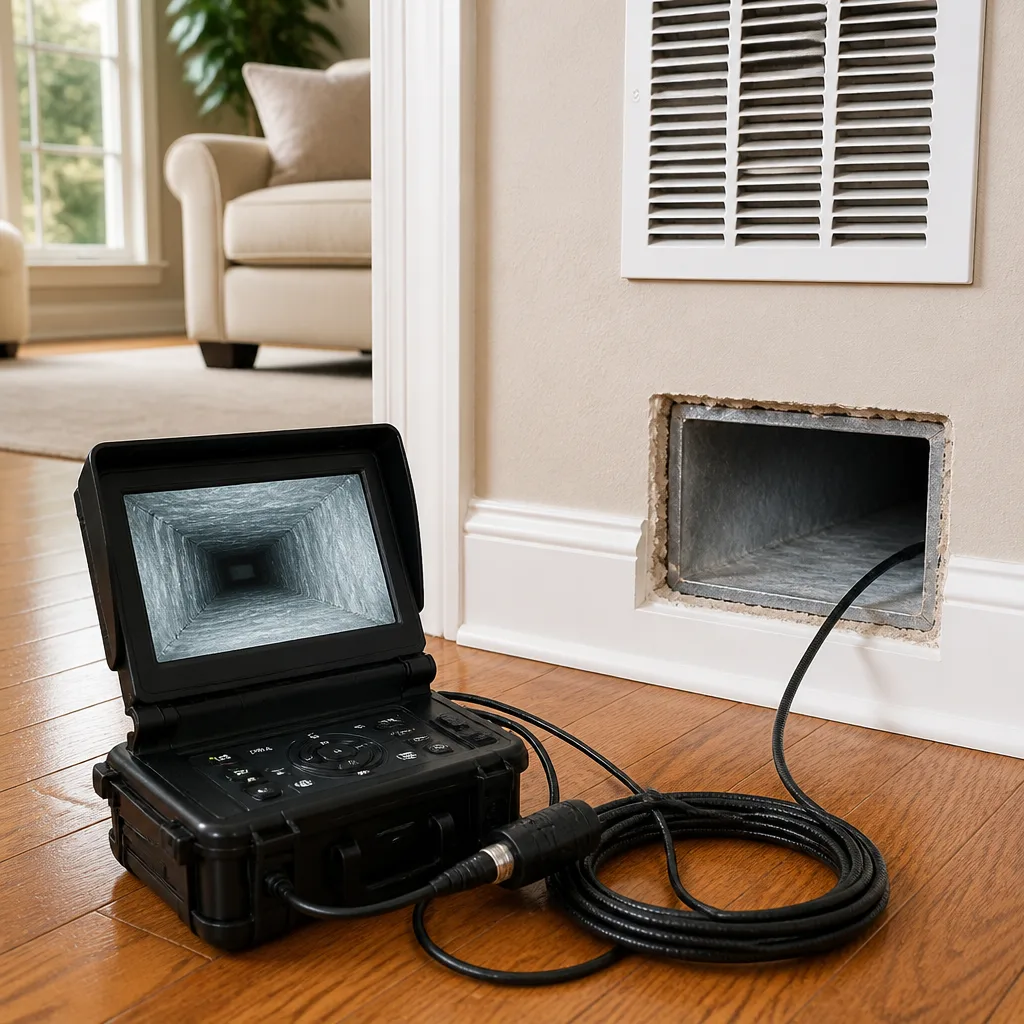 Camera inspection
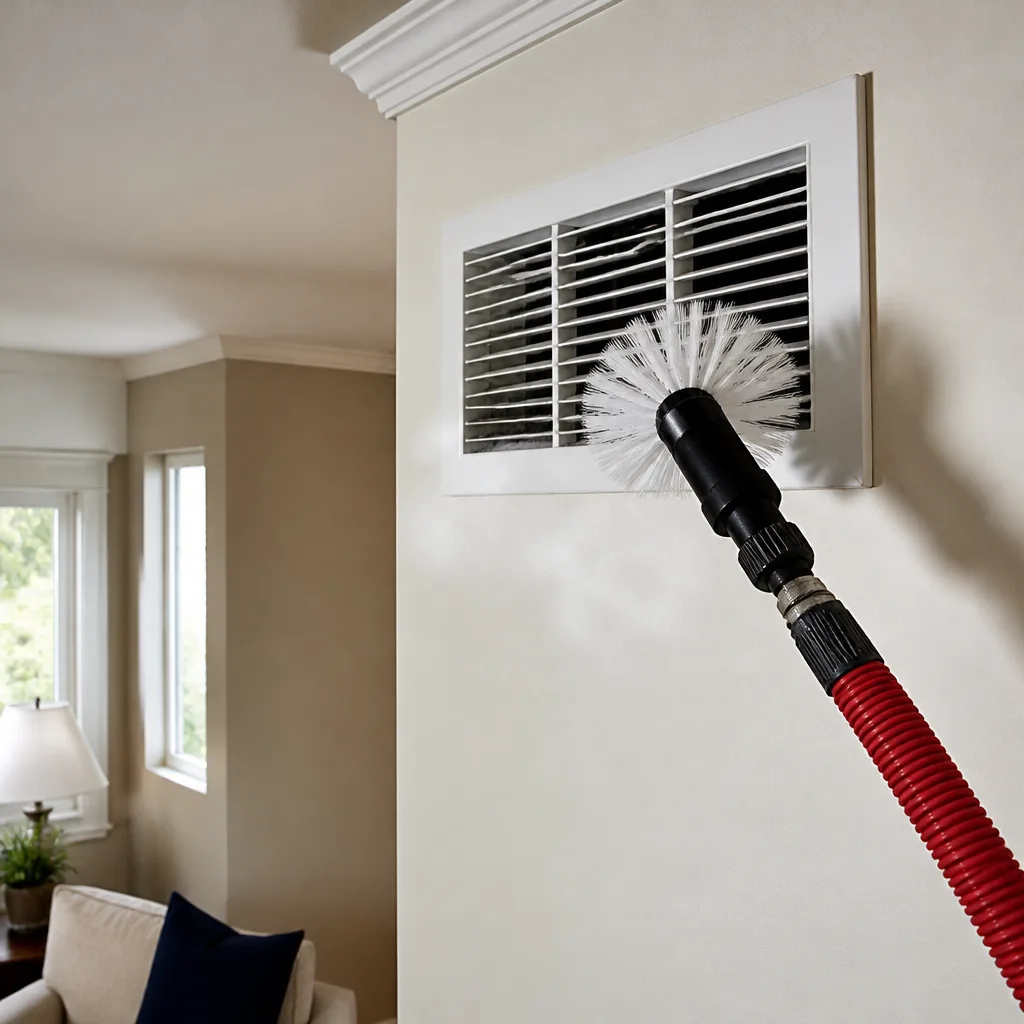 Sanitizing & deodorizing
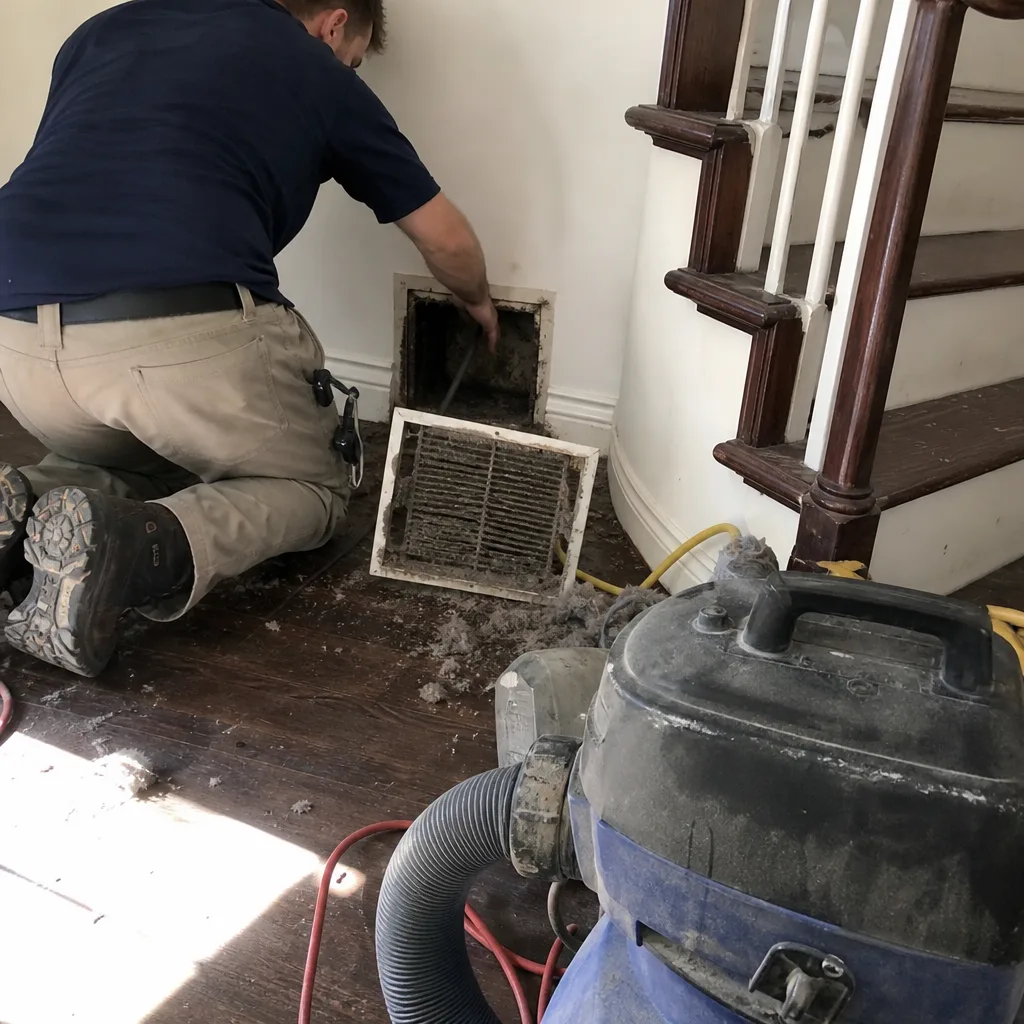
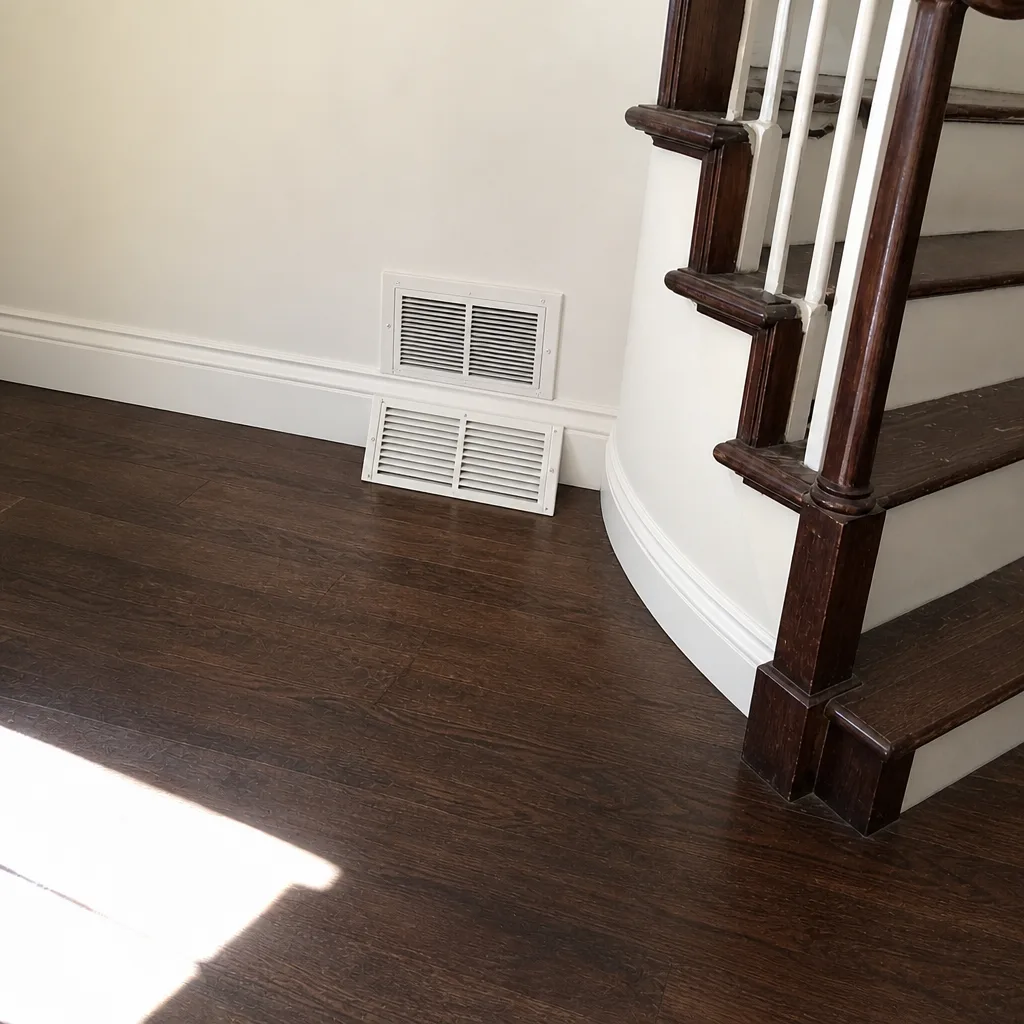
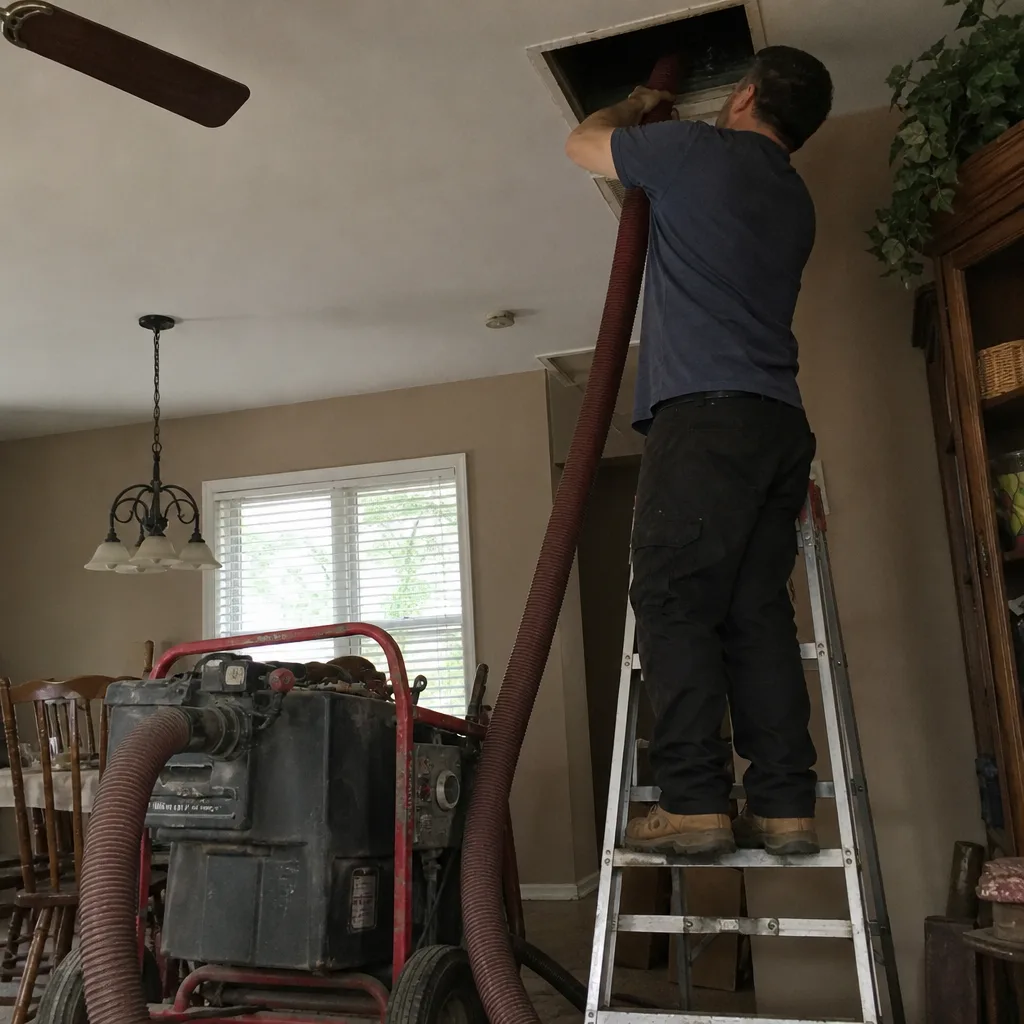
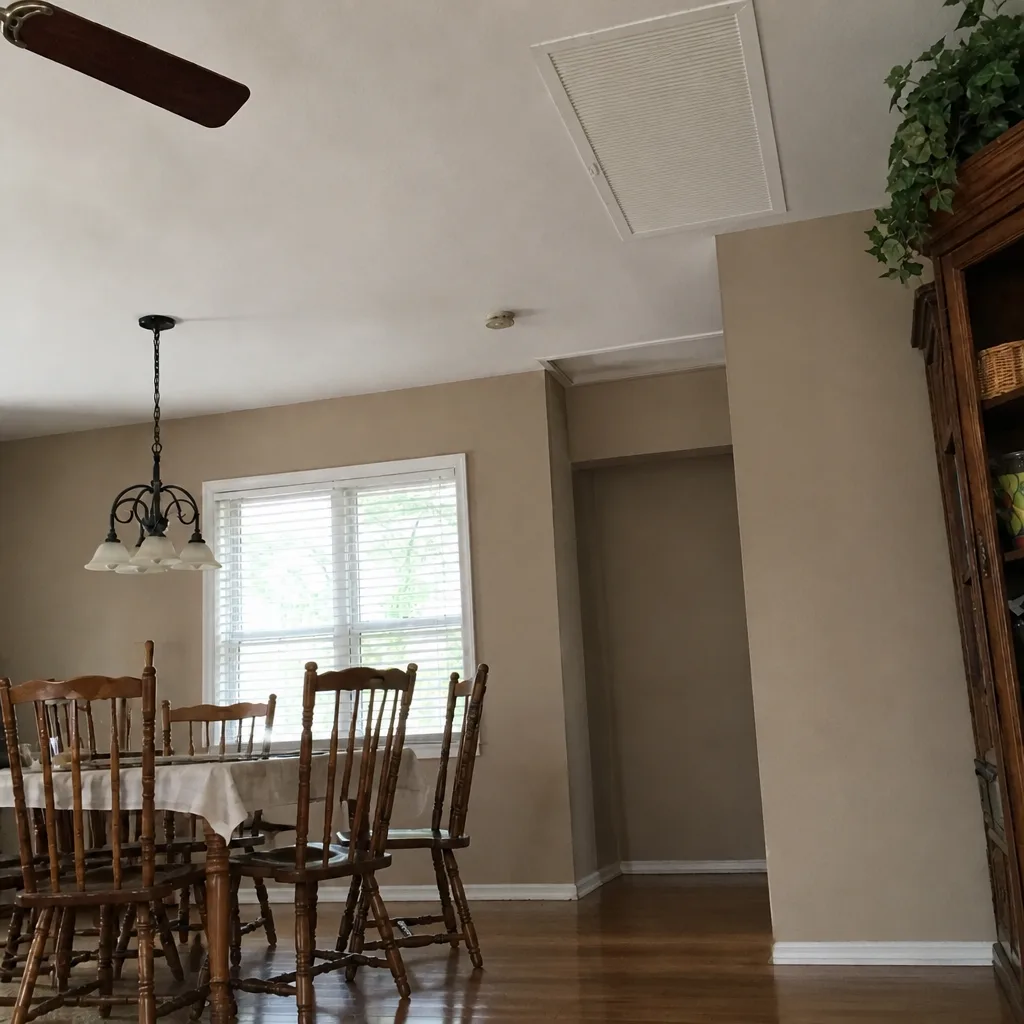
Whole-system duct and dryer vent check with before-and-after photos - you see exactly what came out of your vents
That "$99 whole-house special" is a bait ad - the real number appears once they are in your hallway, or the "clean" is a shop-vac at the register. We photograph the inside of your ducts before and after instead.
The Complete Guide to Air Duct Cleaning in St. Louis
Most homeowners in St. Louis assume duct cleaning means someone shows up with a vacuum and leaves. That is not what a professional cleaning looks like, and the gap between a real source-removal job and what a lot of companies actually perform is wider than most people realize. A shop-vac and a spinning brush is theater. The industry standard calls for negative-pressure source removal, sealed containment, and HEPA filtration, and a surprising share of the companies quoting duct cleaning in St. Louis skip most of that. This guide explains what a legitimate cleaning involves, equipment and all, so you can tell the difference before anyone walks through your door. We will cover methodology, how this city’s climate affects the inside of your ductwork, what a technician should show you, and how to read a quote.
Quick Answer
Legitimate air duct cleaning in St. Louis means removing dust, debris, and biological buildup from the entire duct system using negative pressure and HEPA-filtered extraction, not just vacuuming the registers you can see. A proper job seals the system, cleans every branch and trunk line with source-removal equipment, and includes before-and-after documentation. Anything short of that is a surface treatment at best.
Styles & brands we work with
- Whole-home duct cleaning
- Dryer vent cleaning
- Camera inspection
- Sanitizing & deodorizing
Table of Contents
- What Air Duct Cleaning Actually Means
- The NADCA Standard vs. Blow-and-Go Shortcuts
- How St. Louis Soil and Summers Shape Duct Contamination
- Cleaning vs. Inspection and Repair
- What a Technician Should Show You
- How to Read a Job Scope Estimate
- The Equipment That Separates Specialists from Generalists
- How Often Ducts Really Need Cleaning
What Air Duct Cleaning Actually Means
Air duct cleaning is the mechanical removal of accumulated contaminants from the interior surfaces of your HVAC duct system, including the supply trunks, branch lines, return ducts, register boots, and the components of the air handler that contact airflow. A real cleaning addresses the whole system under controlled conditions, not just the visible grilles in each room.
The word that matters most here is removal. Dust and debris have to be physically extracted from the duct and captured in a sealed HEPA filtration unit, then disposed of outside your home. If a company blows compressed air through your ducts without pulling the loosened material into a negative-pressure unit, they are redistributing contaminants, not eliminating them. The debris lands on surfaces, in the air handler, and back in the living space.
When we talk about air duct cleaning, we mean a job built around source removal from start to finish. That includes:
- Sealing the supply and return openings so the system can hold negative pressure during cleaning.
- Connecting a HEPA-filtered extraction unit to the main trunk and maintaining suction throughout the job.
- Mechanically agitating the duct interiors with rotary brushes or air whips sized to the duct type.
- Cleaning register boots, grilles, and diffusers individually.
- Documenting what came out with before-and-after photos of your own ducts.
Everything else is either prep work, inspection, or documentation. If a proposal skips one of those five steps, it isn’t a complete cleaning of the system. It’s a partial job priced like a full one.
The NADCA Standard vs. Blow-and-Go Shortcuts
The NADCA standard (the industry’s accepted methodology set by the National Air Duct Cleaners Association) calls for negative-pressure source removal as the baseline for any legitimate cleaning. Blow-and-go is the industry’s most common shortcut, and it produces almost none of the promised results. If you can’t tell which one the company you’re hiring runs, ask.
Here’s the practical difference. In a real source-removal job, the equipment pulls a continuous vacuum on the entire duct system while technicians work through each branch and trunk. Contaminants dislodged by the brush or air whip travel away from the living space and into the HEPA filtration unit. Everything is contained. Nothing gets pushed into the room.
In a blow-and-go job, a technician runs an air compressor or blower through the registers with the furnace running. Debris has nowhere to go but back into the house. The homeowner sees clouds of dust coming out of every vent and assumes the job is being done. That dust is the duct interior, now airborne. Window screens and furniture bear the evidence for days afterward.
Two more shortcuts worth knowing about:
- The one-vent wonder. The company hooks a vacuum to a single register and calls it done. Every other branch line in the system remains untouched.
- The wipe-and-pretend. The technician wipes the register grille clean and photographs it as “proof of cleaning.” The duct chase behind it has not been touched.
Neither shortcut is illegal, but both are the reason so many people in St. Louis think duct cleaning doesn’t work. They never actually had it done.
How St. Louis Soil and Summers Shape Duct Contamination
Duct contamination in St. Louis looks different from what you’ll find in a dry climate, mostly because of what’s happening outside and underneath the house. The region’s clay-heavy soil and humid summers create a specific combination of moisture and particle loads that duct systems here absorb over time.
Clay soil holds water and drains slowly. After heavy rain, moisture pushes against foundations and creeps into crawlspaces and basement returns. That moisture elevates the humidity inside return ducts. Combined with the long St. Louis summer, where air conditioning runs hard from May into September, you get condensation on cold duct surfaces and near-constant humidity inside the return side of the system. Dust that would normally be dry and inert becomes a moist substrate. That is a very different problem from the dry dust you’d find in Phoenix.
Add the region’s construction and renovation history. Any home that has been remodeled, re-roofed, or re-insulated in the past two decades has pulled masonry dust, drywall particulate, and fiberglass into the return side of the system. Homes near busy corridors pick up road particulate. Homes with mature trees in neighborhoods like Kirkwood, Webster Groves, or Maplewood pull in pollen and leaf matter that settles in the return plenum.
What this means for a St. Louis homeowner:
- Return ducts on the lowest floor of a home with a crawlspace or basement are the highest-risk sections.
- Duct systems near recent renovations will show construction dust even if the home is newer.
- Air conditioning condensate pans and nearby duct runs should be checked for standing moisture during any inspection.
- Homes built before 1980 with original duct runs may also have loose joints or disconnected sections that trap debris.
The bottom line: in St. Louis, duct cleaning is not a maintenance box to tick. Moisture and particle loads here make source removal more important, not less.
Cleaning vs. Inspection and Repair
Cleaning addresses what’s inside the ducts. Repair addresses what’s wrong with the ducts themselves. Most companies offer one or the other. A complete job handles both, because cleaning a system with a disconnected branch just blows filtered air into the wall cavity.
Here’s what actually goes wrong inside a duct system over time, especially in older St. Louis homes:
- Flexible duct sections sagging or tearing loose from collar connections.
- Sheet metal joints pulling apart at seams after decades of temperature cycling.
- Insulation on the exterior of duct runs breaking down and shedding into the airstream.
- Return plenum connections at the air handler coming unseated.
- Duct runs crushed or pinched during a renovation or rerouting.
Every one of those problems reduces airflow into the rooms it serves, and every one is easy to miss without a visual inspection of the duct interior. That is why on our jobs, the technician inspects while cleaning. If we open the system and find a compromised section, we can repair it on the same visit rather than handing you a list of problems and a second phone number to call. A cleaning that ignores broken ductwork isn’t solving the problem; it’s cleaning half the system and leaving the other half to feed dirt back in.
If you’ve noticed rooms that don’t cool evenly, weak airflow at specific registers, or visible dust trails around the supply grilles after a cleaning, that is a strong sign something downstream is compromised. Our Bellmont Air Duct Cleaning technicians inspect and document those sections before anyone starts extraction.
What a Technician Should Show You
Before, during, and after the job, a legitimate technician documents what they find and what they remove. If the company offers nothing, treat that as information about the company. Documentation is not a courtesy; it’s part of the job.
Here’s what you should expect at each stage:
- Before. A camera inspection of at least the return trunk and one or two supply runs. Photos of the interior with timestamps. A written scope that lists exactly which ducts will be cleaned and any sections that appear damaged.
- During. A sealed connection to the HEPA extraction unit, visible to you if you ask. You should be able to see the equipment in operation. If they’re running a shop-vac or a household blower, that’s not the job you hired.
- After. Before-and-after photos of your own ducts, not stock images. A visual check of each register grille after removal and cleaning. A written summary of anything found and repaired.
- At the end of the visit. A walkthrough covering what was cleaned, what was found, and what (if anything) still needs attention.
One more expectation: professional-grade equipment should be on-site. Rotobrush and Nikro extraction systems are the standard for indoor air quality contractors because they are built to run continuously under a sealed negative pressure load. If someone arrives with a truck-mounted unit that looks like a carpet cleaner, that’s what they brought to a duct cleaning. Ask what equipment is going to be used and why. A company that can answer honestly is a company worth keeping.
How to Read a Job Scope Estimate
Duct cleaning quotes are rarely apples to apples. Comparing them means reading the scope, not the number at the bottom. Two quotes can differ by hundreds of dollars because one is for a complete system and one is for a partial job dressed up as a full one.
Here’s what a complete job scope should specify:
- Number of vents and returns. The scope should list them by count. A “whole house” line item that doesn’t specify how many registers are included is a red flag.
- Equipment named. Rotobrush, Nikro, or an equivalent professional-grade extraction system. “Truck vacuum” is not an equipment spec.
- HEPA filtration and containment. Abatement Technologies equipment or equivalent sealed HEPA containment should be part of the scope. Consumer-grade blowers do not qualify.
- Air handler and coil cleaning. Whether the air handler cabinet and evaporator coil are included, or priced separately.
- Inspection and repair line items. Whether the scope includes interior inspection and what happens if damage is found.
- Documentation. Before-and-after photos of your ducts stated as part of the deliverable.
- One flat price per system. Agreed before work starts. No per-vent billing and no line item charged after the fact.
The single biggest thing to watch for is per-vent pricing. A quote that starts with a low figure and then adds charge per register is designed to grow once the technician is in your home. The final bill lands wherever the register count takes it. Honest whole-system estimates price the system, not the vents, and put it in writing before any work begins.
The Equipment That Separates Specialists from Generalists
Duct cleaning is a specialist trade. Handymen and general HVAC companies offer it as an add-on, often with consumer-grade equipment. The equipment itself tells you which category you’re dealing with.
Our technicians run professional-grade Rotobrush and Nikro extraction systems – the same equipment used by industrial IAQ contractors because it holds up to continuous load and seals properly under suction. We also carry Abatement Technologies equipment for proper HEPA containment during the job. That combination is not something a general handyman keeps in the back of a pickup. It’s what serious indoor air quality work requires.
We also work with trusted air-quality brands including Honeywell and Aprilaire because the ducts are part of a larger whole-home system. Understanding your filtration, humidification, and ventilation setup makes it possible to clean and repair intelligently rather than treating the ductwork as an isolated component. Our technicians have up to 9 years of experience with duct cleaning, repair, and dryer vent work.
Our three-service menu reflects that focus. We clean ducts, we clean dryer vents, and we repair ductwork. That’s it. Customers who work with us get a company that does one category of work exceptionally well, not a general contractor who happens to own a duct vacuum.
How Often Ducts Really Need Cleaning
There’s no universal calendar rule. The honest answer is that frequency depends on your home, your climate, your occupants, and what’s happened inside the duct system recently. Most homes in St. Louis benefit from a cleaning every three to five years; homes with specific triggers may need it sooner.
Common triggers that mean a cleaning is worth scheduling:
- A recent renovation, remodel, or rebuild that introduced drywall dust or construction particulate into the return side.
- New HVAC installation or a major system change that opened the ductwork to debris.
- Persistent dust visible on furniture, register grilles, or shelf surfaces shortly after cleaning or routine vacuuming.
- Allergy or respiratory concerns in the household that appear worse indoors than outdoors.
- Visible debris, discoloration, or growth near the return register or the air handler.
- A home that has sat vacant or been recently purchased with unknown duct history.
Homes in older St. Louis neighborhoods with original ductwork, especially those with crawlspaces or basements feeding the return side, tend to accumulate faster. Homes with pets and heavy foot traffic do too. A cleaning schedule should fit the household, not a brochure’s recommended interval.
Dryer vent cleaning follows a different rhythm and deserves its own attention. Our dryer vent cleaning service addresses one of the leading causes of residential house fires, and the lint that accumulates inside a vent run reduces dryer efficiency long before it becomes visible. It’s not an air-quality upsell. It’s the other half of home ductwork maintenance that most homeowners skip.
Common Mistakes to Avoid
- Choosing the lowest quote without reading the scope. The lowest number is often the shortest scope. Cheaper jobs in St. Louis usually skip the return side entirely, which is the section that needs attention most.
- Believing a $99 coupon is a full cleaning. It’s a teaser designed to get a technician into your home, where the price grows once the actual scope is explained. Ask for the whole-system price in writing before anyone visits.
- Booking with a company that uses consumer-grade equipment. A shop-vac with a brush attachment is not a duct cleaning system. It moves surface dust in the visible section and leaves the rest of the system untouched.
- Skipping the inspection step. Cleaning without inspecting means the compromised duct section feeding dust back into the system stays in place. You pay for a cleaning that won’t hold.
- Letting anyone clean without documentation. If there are no before-and-after photos of your ducts, there’s no evidence the job happened. Photographic proof should be part of the price, not an optional add.
- Treating duct cleaning as an emergency. It’s a scheduled maintenance task. Anyone pressuring you to book today is selling, not solving a problem.
- Ignoring the dryer vent while scheduling duct cleaning. The dryer vent is part of the same airflow system inside the home. Booking both at the same time is more efficient than doing them separately months apart.
See the difference
 Before
 After
 Before
 After
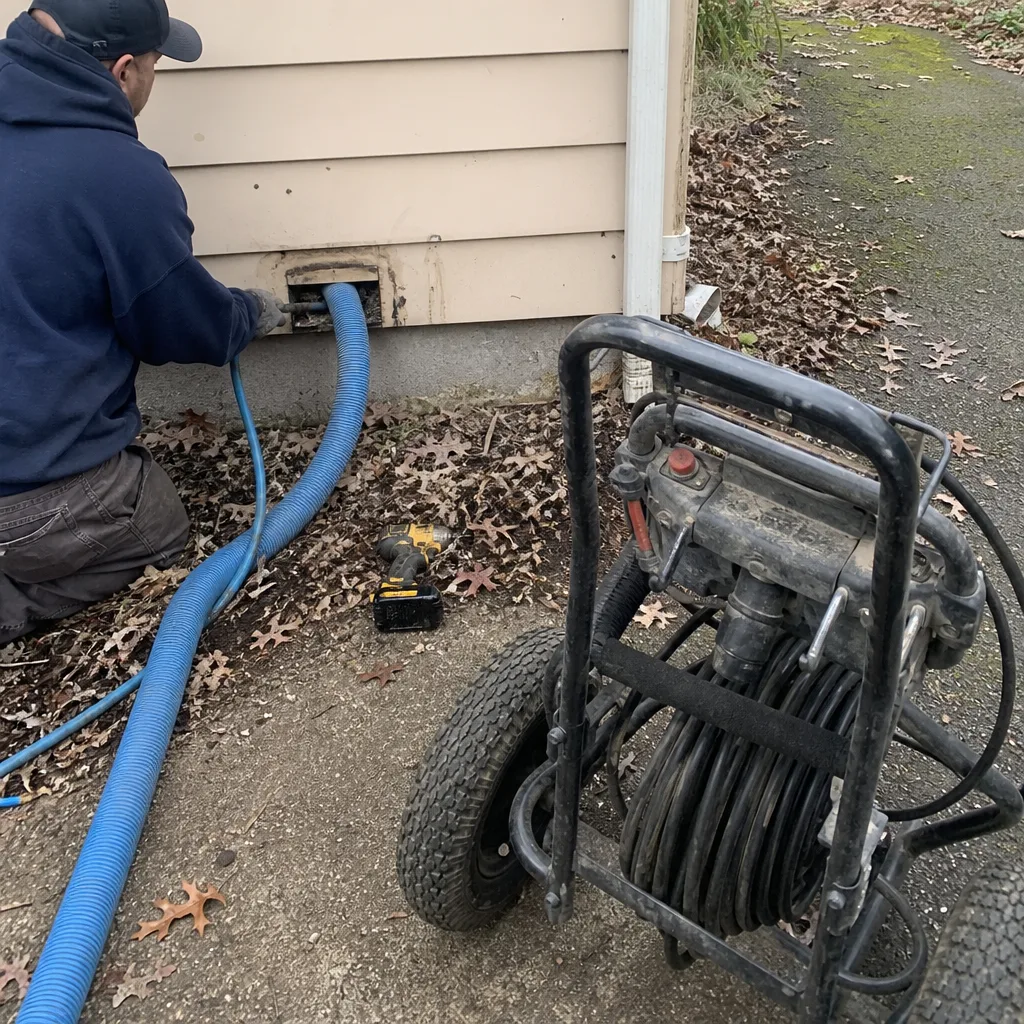 Before
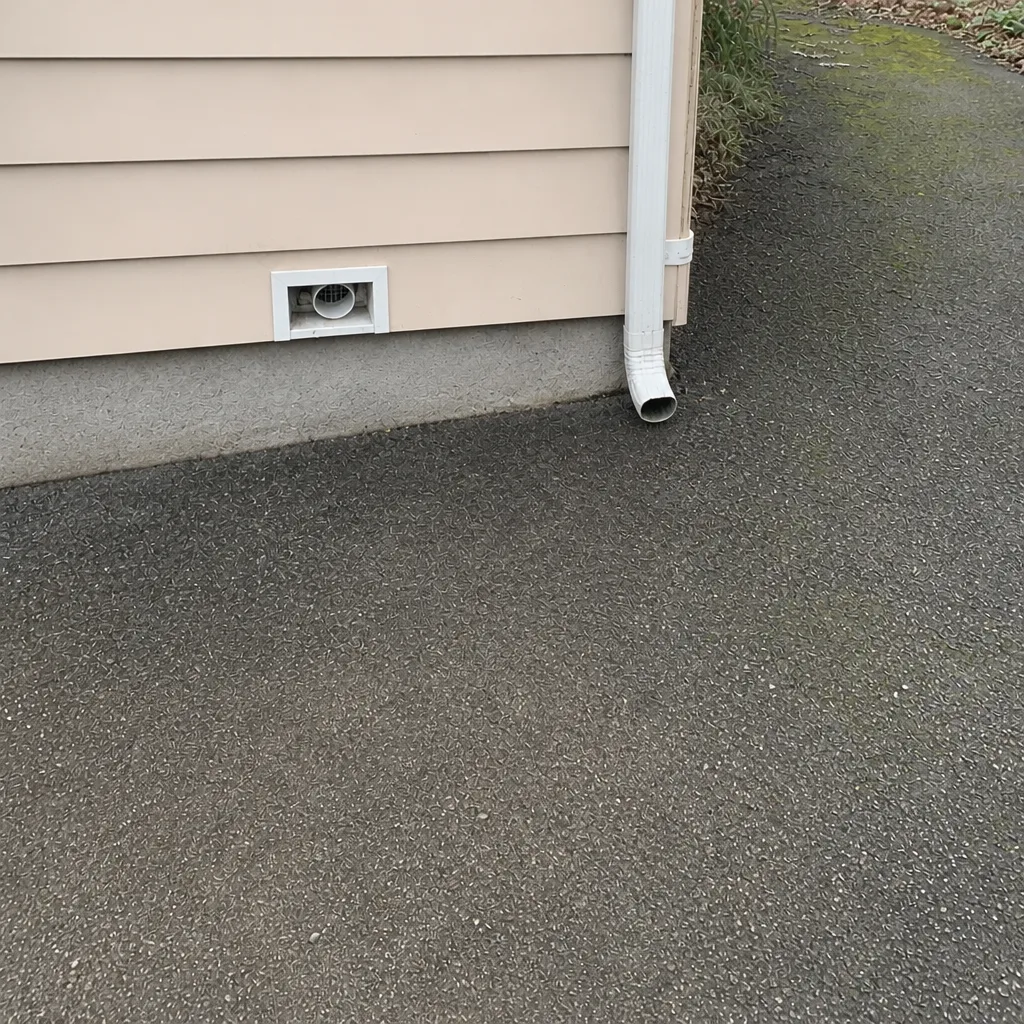 After
When to Call a Professional
Call a professional when you see visible debris or buildup in the supply registers or return grille. Call when a recent renovation, new HVAC install, or home purchase left you unsure what’s inside the ductwork. Call if someone in the household is noticing dust or allergy symptoms that seem tied to indoor air. Call if the dryer is taking longer than usual to finish a cycle or feels too hot near the outside vent. Call if you tried a cleaning that turned out to be a blow-and-go and want it done properly. Bellmont Air Duct Cleaning offers free estimates in St. Louis, and our technicians can inspect, clean, and repair the same system on one visit if needed. Call (877) 349-6189. We answer 24/7. Fast dispatch from 7am to 7pm, Sunday through Friday.
Frequently Asked Questions
Air duct cleaning in St. Louis is priced per system, not per vent, and a complete job typically falls in the several-hundred-dollar range for an average-sized home. The exact price depends on the number of registers and returns, the size of the air handler, and whether repair is needed. We give one flat price per system agreed before work starts, and the written estimate sets the final cost. Call (877) 349-6189 for an exact quote – estimates are free.
You should see before-and-after photos of your own ducts. Not stock images, not register grilles wiped clean, but the interior of the supply and return runs showing what was there and what came out. Ask the technician to show you the sealed connection to the HEPA extraction unit during the job and to walk you through the finished result before leaving. Call (877) 349-6189 and we’ll show you what that looks like on your system.
Cheap quotes are cheap because they skip steps. They may clean only the visible registers, skip the return side, or use consumer-grade equipment that leaves the duct interior untouched. The coupon price at the top of the invoice is designed to grow once the technician is in your home and the actual scope is explained. Ask what equipment is used, how many registers are included, and whether inspection and photos are part of the price. Call (877) 349-6189 for a written, whole-system estimate.
Most St. Louis homes benefit from a cleaning every three to five years. Homes with recent renovations, pets, allergy concerns, or original ductwork from an older build often benefit from more frequent service. Our climate throws extra moisture into the return side, so duct interiors here tend to accumulate faster than in dry regions. Call (877) 349-6189 and we can talk through your home’s specific situation.
Yes. Our technicians inspect the ductwork as they clean, and if we find a disconnected branch, torn flex section, failed seam, or damaged collar, we can repair it on the same visit. That’s the main reason we offer duct repair as one of our three core services. Cleaning without repair on a system with a known problem just recontaminates the clean sections. Call (877) 349-6189 to schedule.
Yes. We specialize in both residential and commercial indoor air quality work, and our equipment handles both types of systems. Larger commercial jobs need the same source-removal methodology with more sealing and equipment capacity, and Rotobrush and Nikro extraction systems scale up to that work. Call (877) 349-6189 to walk through the scope of your St. Louis property.
The Bottom Line
Legitimate duct cleaning is a mechanical, sealed, documented removal of contaminants from the entire duct system. Anything short of that is only touching the parts you can see. In St. Louis, the clay soil and humid summers make the return side of the system hold more contamination than a brochure would suggest, which makes source removal and inspection non-negotiable for a job that actually solves the problem. If you’re getting quotes, read the scope and not the headline price. Confirm the equipment, ask about documentation, and get one flat price per system in writing before anyone starts. That’s the whole test. The rest is theater.
Contact
If you want a proper inspection, a written whole-system estimate, and a cleaning built around professional-grade equipment, we can help. Whether you’re in a hundred-year-old home in St. Louis with original ductwork or a newer build in the county that’s never been inspected, our technicians bring the equipment and the repair capability to actually solve the problem in one visit. If you’d like to talk about your ducts, call (877) 349-6189. We answer 24/7. Fast dispatch from 7am to 7pm, Sunday through Friday. Free estimates, one flat price per system, and before-and-after photos of your own ducts when the job is done.
Written by the team at Bellmont Air Duct Cleaning.