
Last updated November 15, 2026
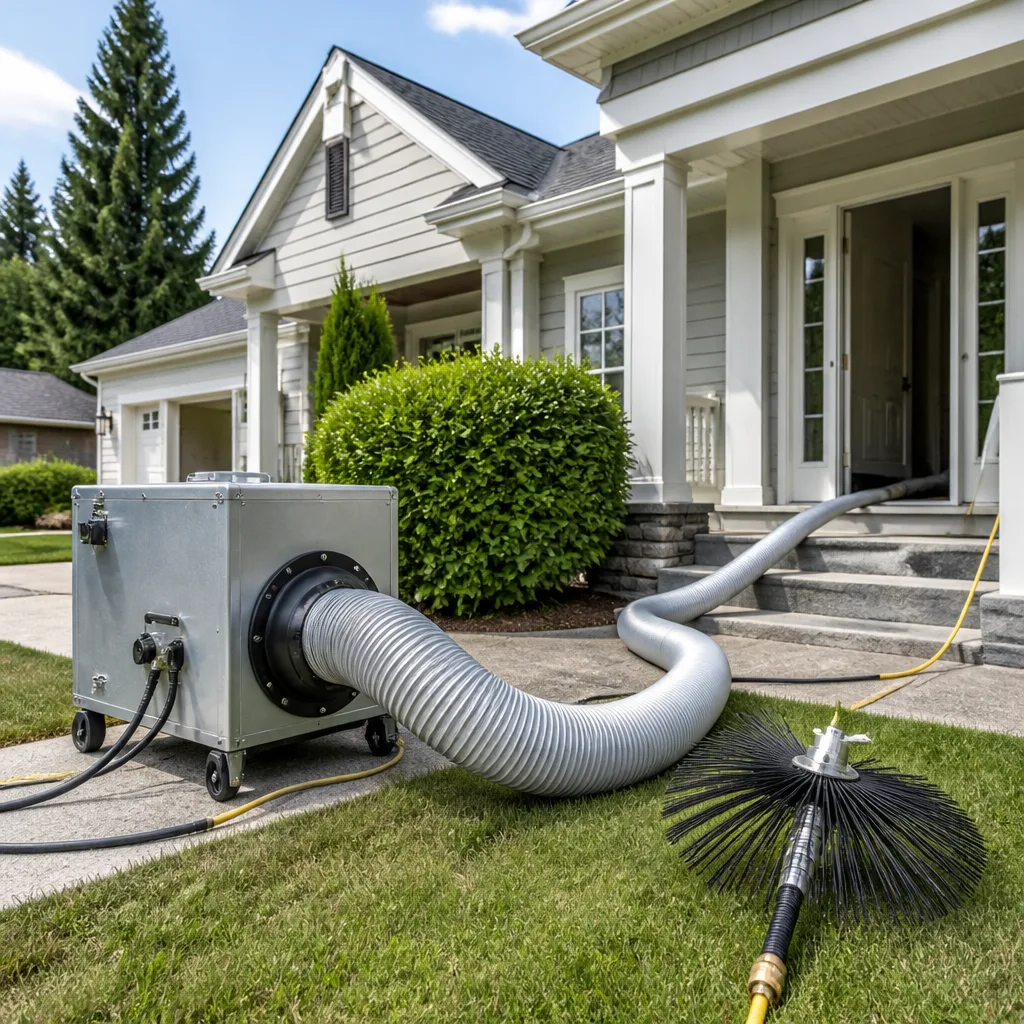 Whole-home duct cleaning
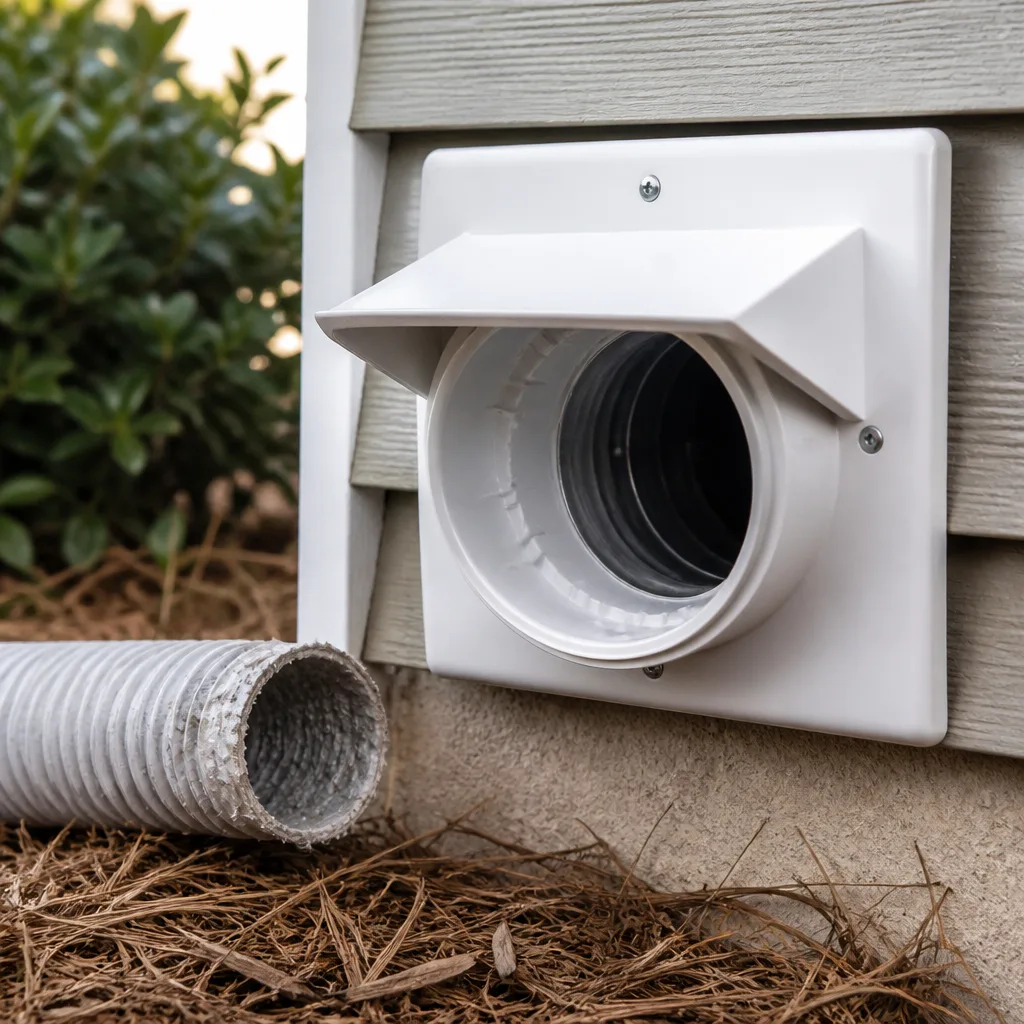 Dryer vent cleaning
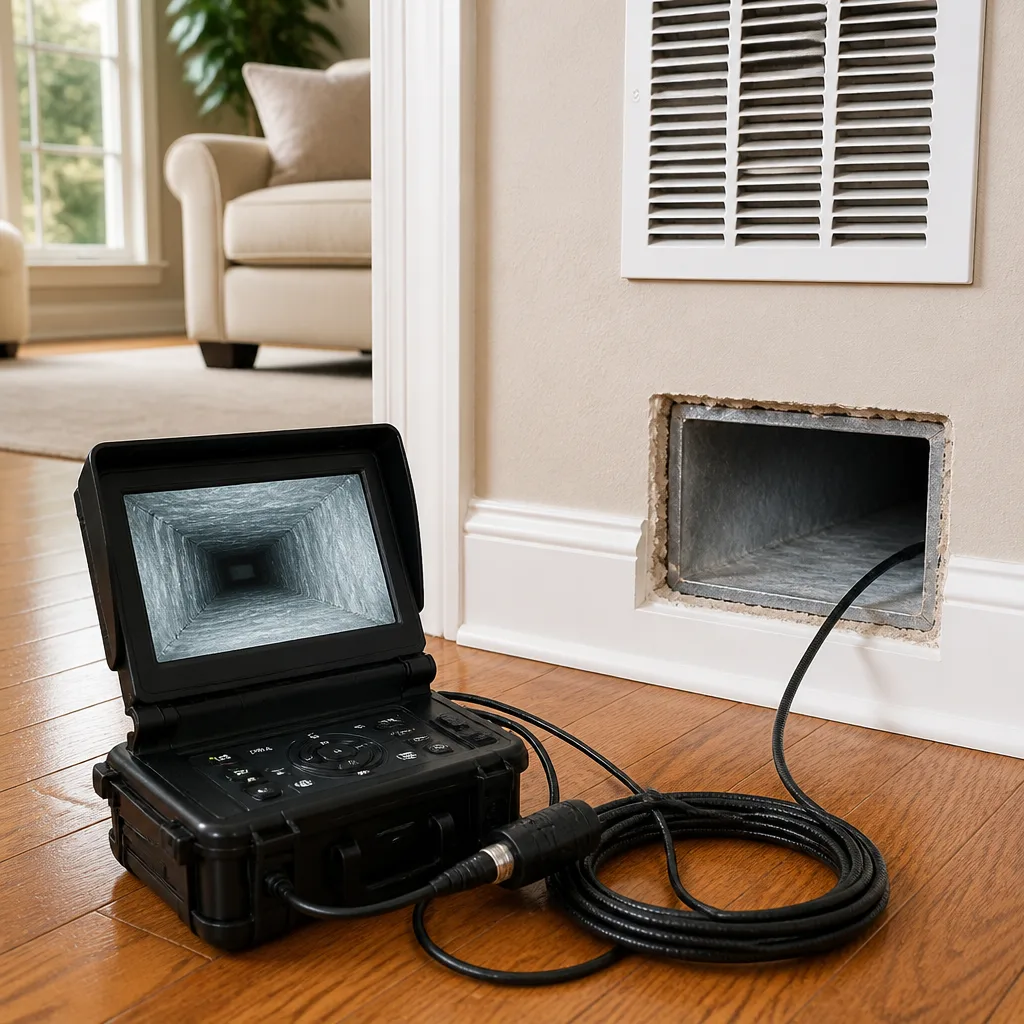 Camera inspection
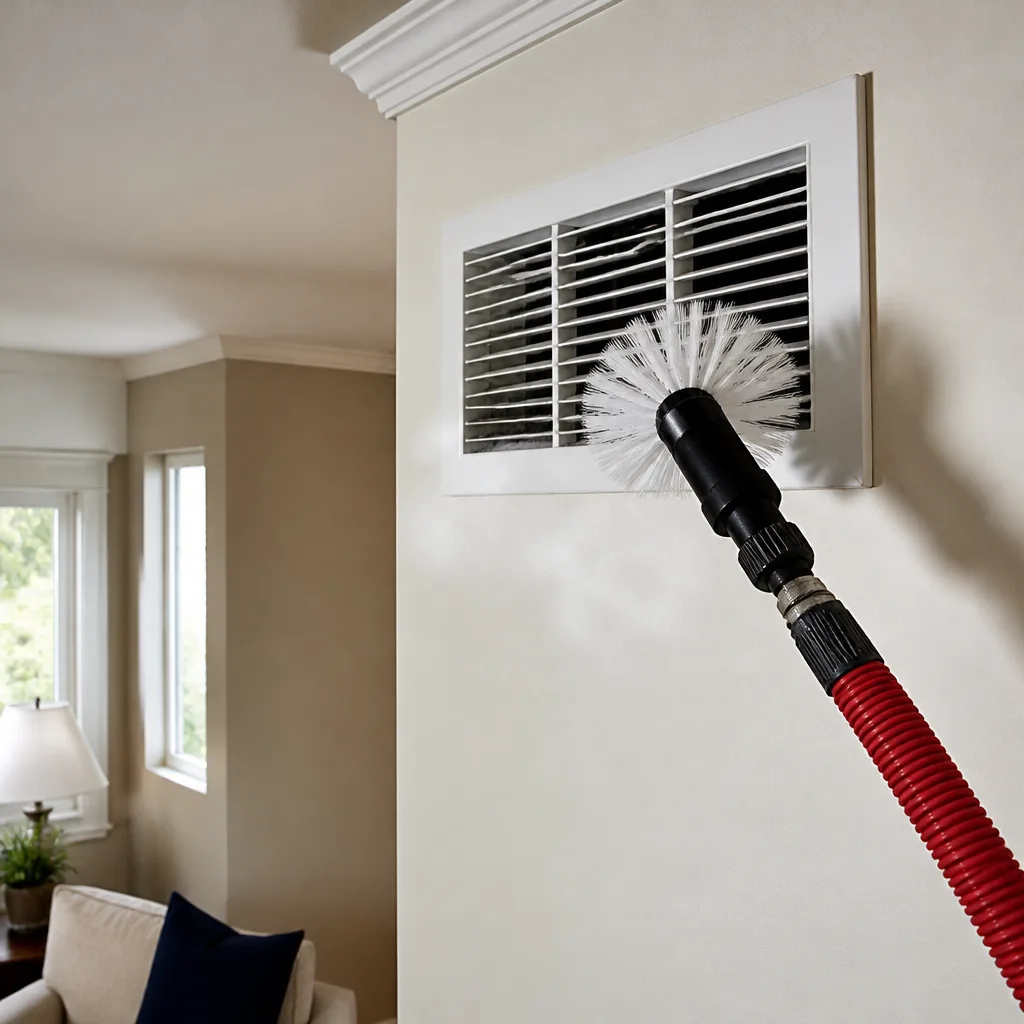 Sanitizing & deodorizing
Whole-system duct and dryer vent check with before-and-after photos - you see exactly what came out of your vents
That "$99 whole-house special" is a bait ad - the real number appears once they are in your hallway, or the "clean" is a shop-vac at the register. We photograph the inside of your ducts before and after instead.
Air Duct Cleaning Permits, Codes & Inspections in St. Louis, MO: What You Need to Know
Here’s the part most St. Louis homeowners never hear: the cleaning itself usually needs no permit, but the repair that follows sometimes does. Cleaning is maintenance. Repairing or altering ductwork can cross into mechanical work that local rules treat differently, and the line between the two isn’t something a coupon flyer will explain. A technician who reconnects a disconnected trunk line or reshapes a plenum without the right scope of work can leave you owning an unpermitted HVAC modification. This guide walks through where that line sits in St. Louis, how to ask the right questions before anyone touches your ducts, and what proper documentation should look like.
Quick Answer
Air duct cleaning by itself does not require a permit in St. Louis or St. Louis County. Duct repair that changes the HVAC system, such as adding or relocating runs, resizing a plenum, or reconnecting major trunk lines, can fall under mechanical code and may require a licensed mechanical contractor and a permit. Cleaning companies can clean and do minor reconnections within their scope; anything that alters the system’s design or air balance should involve a licensed trade. Always ask which category a recommended repair falls into before work starts.
Styles & brands we work with
- Whole-home duct cleaning
- Dryer vent cleaning
- Camera inspection
- Sanitizing & deodorizing
Table of Contents
- Does air duct cleaning need a permit in St. Louis?
- Cleaning vs. repair vs. modification: where the line sits
- Missouri state rules vs. St. Louis County and City rules
- How to ask a contractor whether a repair is in their scope
- Selling a home in St. Louis: what inspectors flag on ductwork
- What your cleaning documentation should include
- When to call a professional rather than a generalist
- Common mistakes to avoid
- Frequently asked questions
Does air duct cleaning need a permit in St. Louis?
No. Routine air duct cleaning in St. Louis does not require a permit. Cleaning removes accumulated dust, debris, and construction residue from inside the duct system. It doesn’t change how the system is built, so it doesn’t trigger mechanical permitting. A homeowner who books a standard air duct cleaning visit has nothing to file at City Hall or the county building department.
Where it gets murky is the work a technician may find during cleaning. Ducts in older St. Louis homes are often disconnected at joints, crushed in a tight basement run, or patched with tape that has long since given up. Fixing a gap with proper mastic or reconnecting a flex run that slipped off a collar is maintenance-level repair. It stays inside the cleaning scope. What doesn’t stay there:
- Adding a new supply or return run that wasn’t there before
- Resizing or rebuilding a plenum (the box where ducts connect to the furnace or air handler)
- Rerouting a trunk line to change airflow to a part of the house
- Modifying the system in any way that affects its design, balance, or capacity
Those are HVAC alterations, not cleaning. In St. Louis County and the City of St. Louis, mechanical work of that type generally requires a licensed mechanical contractor and, in most cases, a permit pulled before the work starts. The permit protects you: it means the work was inspected, and it means the contractor is on record as responsible for the change. Skip that step and you may inherit an unpermitted modification. Your insurer may ask about it. A buyer’s inspector may flag it. And you have no paper trail proving who did it or why.
The comfortable middle ground: a specialist who can clean, diagnose, and do minor repair within the cleaning scope, but who is honest about when a job needs a licensed trade. That’s the standard we hold ourselves to at Bellmont Air Duct Cleaning. We clean it, and if it’s broken, we fix it on the same visit, as long as the fix is duct work and not a system redesign. When a job crosses into licensed mechanical territory, we tell the homeowner so they can bring in the right trade rather than quietly doing work outside anyone’s scope.
Cleaning vs. repair vs. modification: where the line sits
These three words get used interchangeably in marketing, but they mean very different things under the code and for your liability as a homeowner. Here’s how we’d define them for a St. Louis duct system.
Cleaning
Cleaning means removing what’s inside the ducts: dust, drywall dust from a recent renovation, pet hair, debris, mold spores on surfaces, and construction material left behind. It requires professional-grade extraction (Rotobrush and Nikro systems, Abatement Technologies HEPA containment for containment of the work zone), but it doesn’t alter the physical duct system. No permit applies. No license is typically required for cleaning itself.
Repair
Repair means restoring the duct system to its intended working condition. Reconnecting a flex run that came off its collar. Sealing a leaking joint with mastic. Patching a crushed section. Replacing a damaged section of duct with an equivalent piece. Repair keeps the system’s design intact. Depending on scope, some repair can be done by a duct specialist, and some requires a licensed mechanical contractor. The deciding question is whether the repair restores what was there or changes it.
Modification
Modification means changing the system. Adding a run. Resizing a plenum. Rerouting a trunk. Changing the number, location, or size of ducts serving a room. Modifications are HVAC work. In St. Louis County and the City, they generally fall under mechanical permitting and require a licensed mechanical contractor. If a cleaning company’s technician proposes work in this category without that licensing, you’re exposed.
Why the distinction matters to you, specifically: if a homeowner sells a house in St. Louis and the buyer’s inspector finds a modified plenum with no permit, the modification can become a negotiation problem (or worse, a liability if something fails later). If the work was done by an unlicensed party, your homeowner’s insurance carrier may decline to cover damage tied to it. That’s not a scare tactic. That’s how mechanical permitting exists to protect you.
Missouri state rules vs. St. Louis County and City rules
St. Louis sits in an unusual regulatory spot. Missouri has no statewide licensing of duct cleaning companies, so anyone with a truck and a vacuum can technically call themselves an air duct cleaner. But mechanical work itself – the HVAC system, its ductwork, its installation – falls under local jurisdiction. St. Louis County and the City of St. Louis each have their own building codes and permitting processes, and both enforce mechanical code requirements that apply to how ductwork is installed and modified.
What that means for a homeowner:
- Cleaning has no state license requirement. There is no Missouri-issued credential for duct cleaning. Reputable companies differentiate themselves through equipment, insurance, and the ability to stand behind the work.
- Duct repair that stays within cleaning scope (reconnections, sealing, replacing a damaged section) is generally treated as maintenance-level work.
- Duct modification – new runs, resized plenums, rerouting – is mechanical work and typically requires a licensed mechanical contractor and, in most cases, a permit from the applicable building department.
- The City of St. Louis and St. Louis County have separate permitting processes. If you’re in the City, you’re dealing with City permits; if you’re in the County, County permits. A job that needs a permit has to get it from the right authority before work begins.
We’ve had St. Louis homeowners ask us whether a permit is needed for a simple duct reconnection. The answer is usually no. But “usually” isn’t “always,” and it depends on what the repair actually involves. Call the city or county building department and describe the work in plain language before approving a scope. They’ll tell you whether a permit applies. No reputable contractor should push back on that question.
One more nuance: older housing stock in neighborhoods like Fox Park, Tower Grove, and parts of South City often has ductwork that predates current code. A technician may find a duct configuration that wouldn’t be legal to install today but is grandfathered in. Repairing that duct to its existing configuration is one thing. Changing it to comply with modern code is another – and that change is a modification, not a repair. This is a real conversation that has to happen before work starts, not after.
How to ask a contractor whether a repair is in their scope
A working script makes this easy. When a technician recommends a repair, ask three direct questions. The right answers tell you whether they’re being honest about their scope or quietly exceeding it.
- “Is this repair restoring the duct to what it was, or changing it?” Restoration is repair. Change is modification. If the technician can’t answer clearly, that’s a red flag.
- “If this were a modification, would it require a licensed mechanical contractor and a permit?” A specialist who knows the code will answer honestly. If the answer is “probably, but I’m not sure,” they shouldn’t be doing the work until that’s clarified.
- “Who is doing this work, and what’s their licensing?” If the work is within the cleaning company’s scope, they should be able to tell you. If it crosses into mechanical work, they should tell you they don’t do it and recommend a licensed contractor.
What to watch for in the answers:
- A technician who brushes off the question (“We just do the work, don’t worry about permits”) is not being straight with you.
- A technician who says “we handle the whole thing” without clarifying whether that includes licensed mechanical work is overstating their scope.
- A technician who correctly distinguishes repair from modification, and hands off work that crosses the line, is showing you exactly how they operate.
In St. Louis we see this come up most often during renovation cleanups, when a contractor has left ducts full of drywall dust and a homeowner wants a single visit to clean and fix. The right answer: clean everything, repair what’s within scope (reconnections, sealing, patching), and flag what isn’t. Anything that would change the system’s design gets a licensed mechanical contractor. Anything that’s just restoration belongs with the duct specialist.
Selling a home in St. Louis: what inspectors flag on ductwork
If you’re selling a home in St. Louis – or buying one – ductwork will come up during inspection. Home inspectors routinely note duct conditions, and some of what they find can trigger a buyer’s concern or a request for repair before closing.
The most common duct issues an inspector may flag:
- Disconnected or separated duct joints in the basement, crawlspace, or attic
- Ductwork routed through unconditioned space without insulation
- Crushed or kinked flex runs behind walls or in tight chases
- Duct tape used to seal joints (as opposed to mastic; tape fails over time)
- Return air pulled from a space that isn’t supposed to supply it (like a garage or unconditioned basement)
- Visible dust, debris, or contamination that suggests the ducts haven’t been cleaned
- Evidence of prior modification that isn’t documented or matches a permit record
Here’s the part most sellers miss: cleaning documentation helps. If you’ve had a professional cleaning, you can show the inspector (and later, the buyer) a written report with before-and-after photos of your own ducts. That paperwork signals that the system has been serviced, and it heads off vague concerns before they become negotiation items. An undocumented “we cleaned it once” is worth much less than a clear record from a specialist with photos and a written summary.
If you have prior duct repair, having the work documented – what was repaired, who did it, what it involved – also protects you. The inspector can confirm the repair is restoration, not modification, and won’t flag it as an unpermitted alteration. In our experience, the seller who can produce documentation sells faster and with less back-and-forth than the seller who says “I think the last guy cleaned them at some point.”
What your cleaning documentation should include
Documentation is your protection if anything comes up later – a home inspection, an insurance claim, a warranty question about your HVAC system, or a disagreement with a future buyer. Here’s what a proper cleaning record should include.
- Scope of work in writing. Which systems were cleaned, how many supply and return openings, whether the air handler and plenum were cleaned, and what equipment was used.
- Before-and-after photos of your ducts. Not stock photos. Your ducts. A reputable company will include photos of the specific openings and runs they cleaned, both before and after, so you can verify the work was actually done.
- Repairs performed, described specifically. If a reconnect or seal was done mid-job, the report should say what and where. “Repaired ductwork” is too vague to help if a question arises later.
- Repairs recommended but not performed. A good report lists what the technician found but couldn’t fix within scope, and notes if a licensed mechanical contractor or permit is needed. This is your record for later decision-making.
- Filter condition and system notes. What filter was in place, condition observed, and any airflow observations (weak returns, hot or cold rooms) the homeowner should follow up on.
- Company name, contact information, and date of service. Basic, and too often missing. Any warranty question or insurance claim needs to trace back to the company that performed the work.
Why this matters for St. Louis homes specifically: if a home inspection during a sale flags a duct concern, or if a homeowner files an insurance claim related to indoor air quality or water intrusion into ductwork, having a dated report from a specialist makes the claim answerable. Without it, you’re arguing about what might have been done instead of showing what actually was.
We use Rotobrush and Nikro extraction for cleaning and Abatement Technologies containment, and our reports include before-and-after photos of your ducts. A report you can’t verify isn’t worth much – the point is that you have a record you could hand to an inspector or an adjuster without a second thought.
When to call a professional rather than a generalist
Most of the time, duct work needs a specialist – not a handyman, not a general contractor, and not the cheapest company that shows up on a search. Here’s when to bring one in:
- Recent renovation or new construction. Drywall dust, sawdust, and construction debris fill ducts fast. A professional cleaning with HEPA containment gets it out without spreading it through the house.
- Allergy or air quality concerns. If someone in the house is reacting to indoor air, the ducts are a likely contributor. Diagnosing what’s inside and cleaning it properly takes equipment and experience.
- Airflow problems – hot or cold rooms, weak returns. That’s usually a sign of disconnected or crushed ductwork, and a specialist can diagnose and repair within scope on the same visit.
- A dryer taking longer than it used to. That’s a sign of a clogged dryer vent cleaning need, and it’s a fire-safety issue, not just an efficiency one.
- Before selling or after buying. Documentation from a professional cleaning protects both sides of the transaction.
- Prior work done by an unlicensed party. If a previous contractor made modifications without paperwork, a specialist can assess what’s there and flag anything that needs licensed mechanical work.
Bellmont Air Duct Cleaning offers free estimates in St. Louis – call (877) 349-6189. We answer 24/7. Fast dispatch from 7am to 7pm, Sunday through Friday. Our technicians have up to 9 years of experience working with the specific conditions St. Louis homes present, and we tell homeowners honestly when a job belongs with us and when it belongs with a licensed mechanical contractor.
Common Mistakes to Avoid
- Assuming “no permit required” covers every duct job. Cleaning doesn’t need one. Modifications do. If the work changes your system’s design, ask about a permit before it starts – not after.
- Letting an unlicensed company modify your ductwork. In St. Louis County and the City, mechanical modifications can require a licensed contractor and a permit. An unlicensed modification can become a liability at resale or an insurance problem later.
- Skipping documentation after cleaning. A vague invoice with no photos and no scope of work protects nobody. Get before-and-after photos of your own ducts, and a written report you could hand to an inspector or adjuster.
- Hiring on price alone. The lowest bid often reflects consumer-grade equipment and a surface-level pass, not professional-grade extraction. Duct cleaning is about thoroughness, not speed.
- Letting a cleaning company do licensed mechanical work without asking. Ask the three-scope question: is this repair, or is this a modification? A specialist who knows the line will tell you.
- Assuming your homeowner’s insurance covers duct problems automatically. Coverage depends on the cause. If a modification was made without a permit, your carrier may decline. Documentation from a specialist is your protection.
- Waiting until a home inspection to think about duct documentation. If you’re selling in six months, a cleaning with photos now gives you a record. Waiting until the inspection report comes back puts you on the defensive.
See the difference
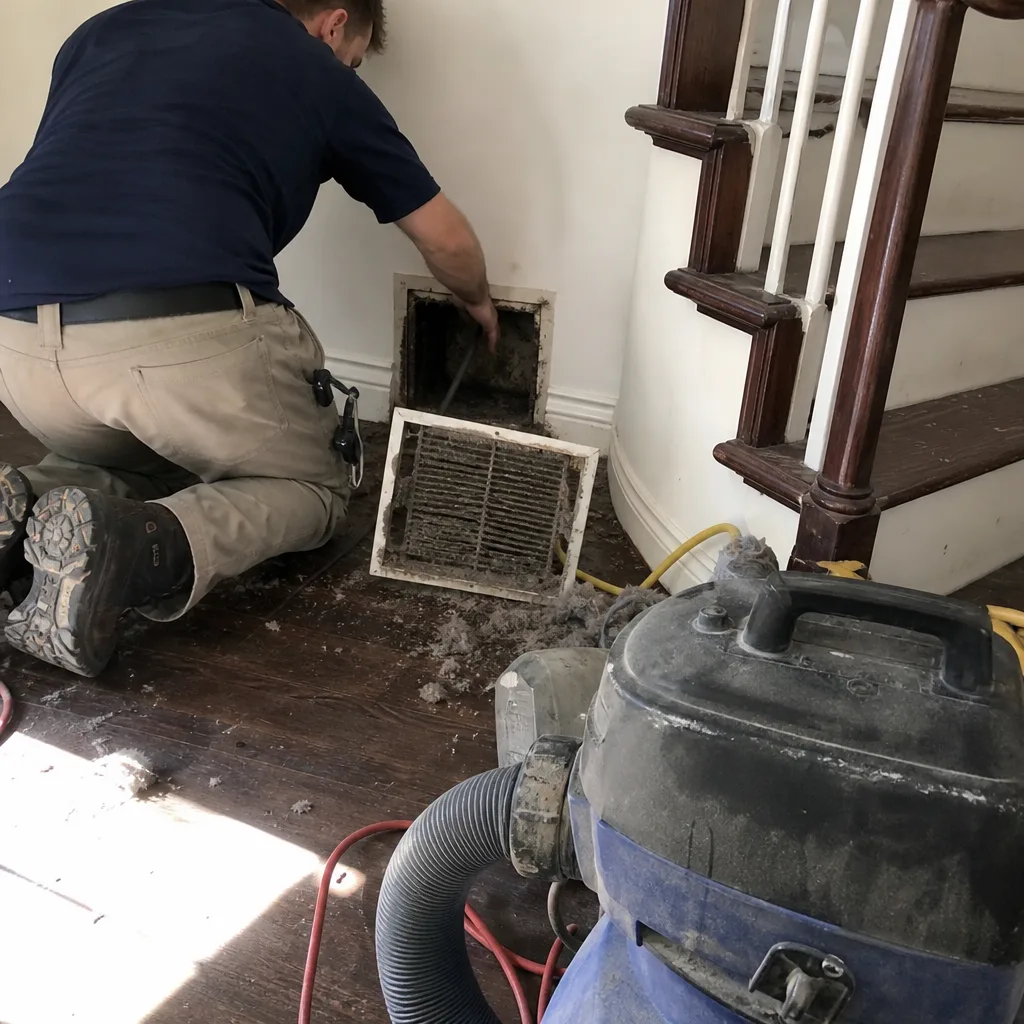 Before
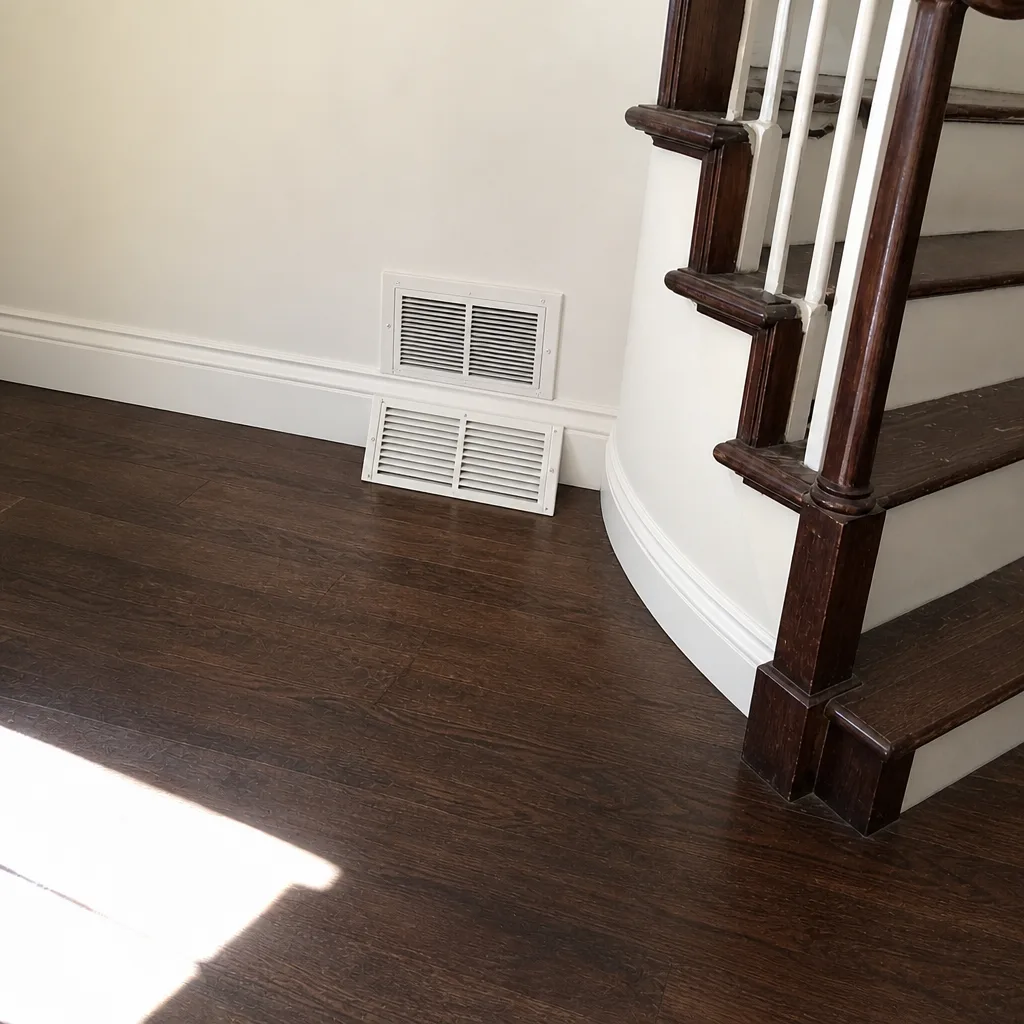 After
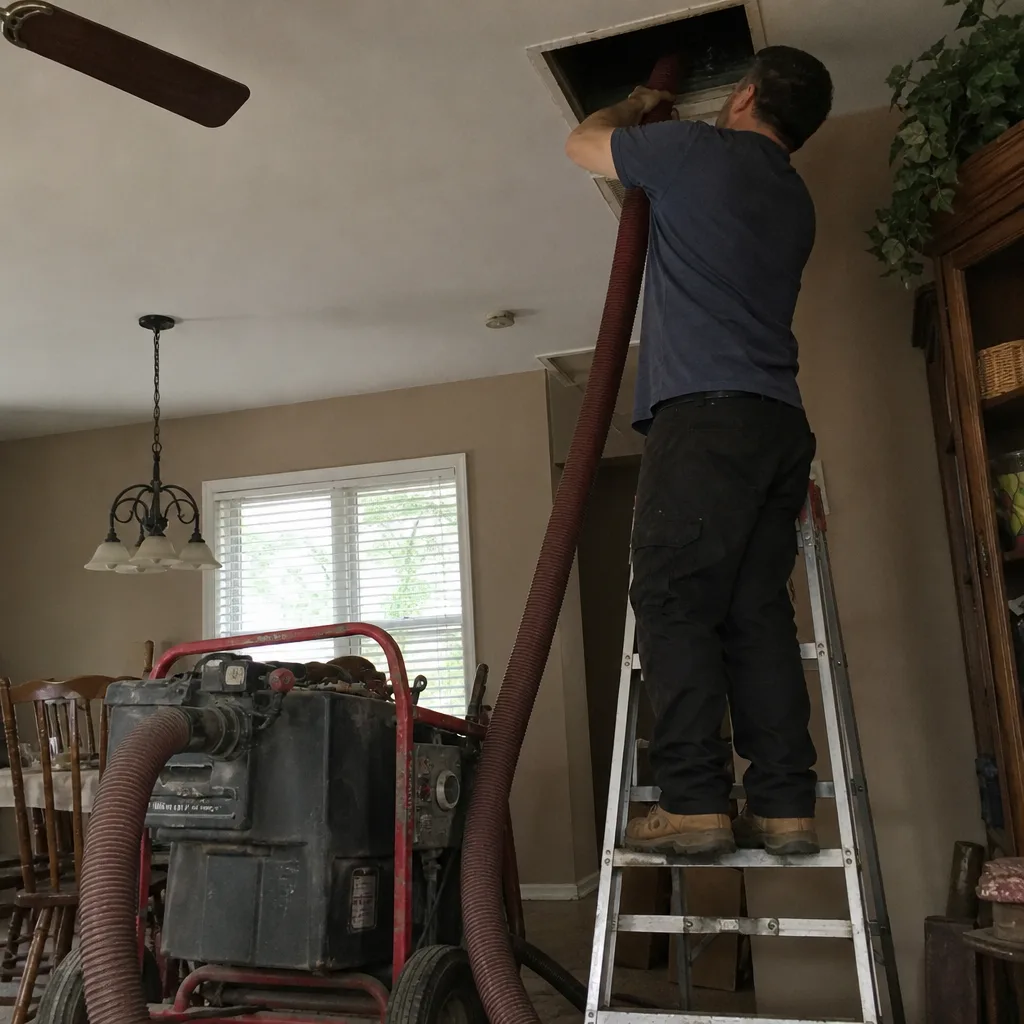 Before
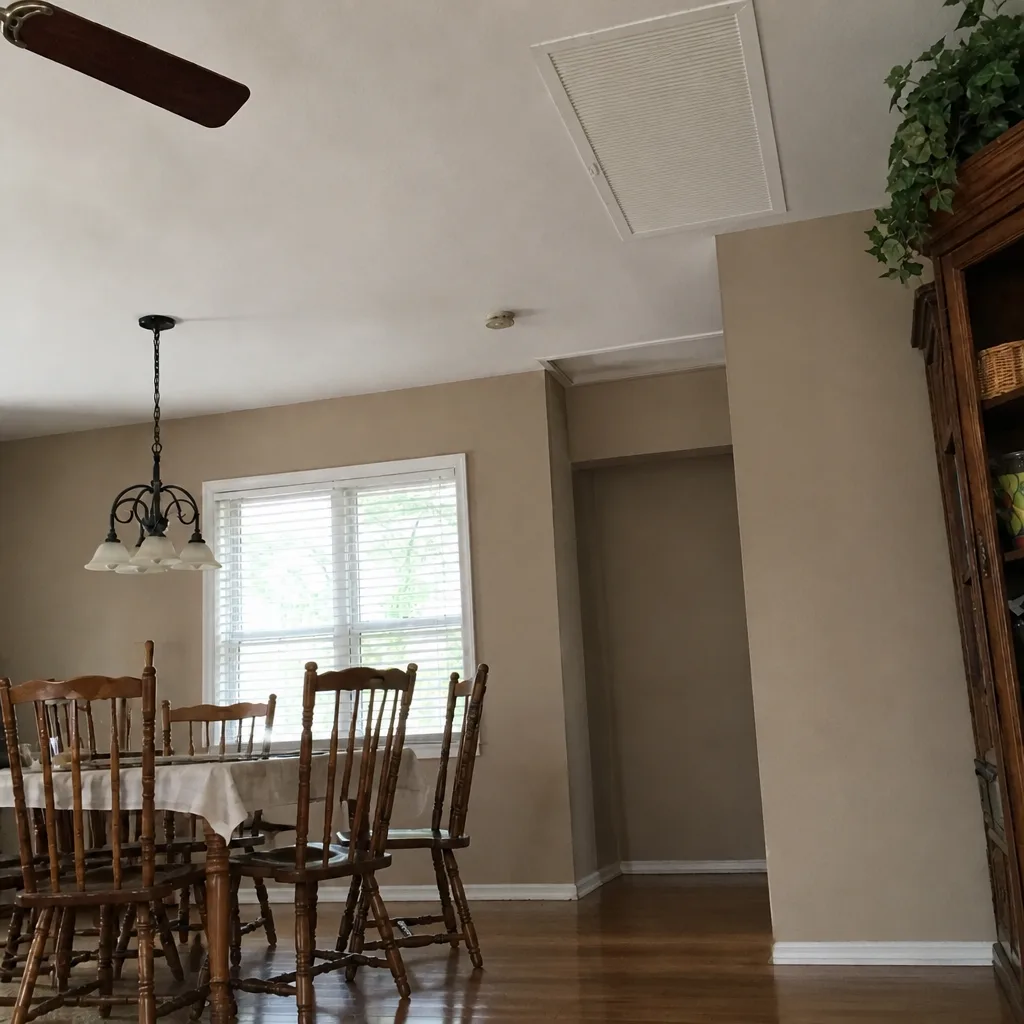 After
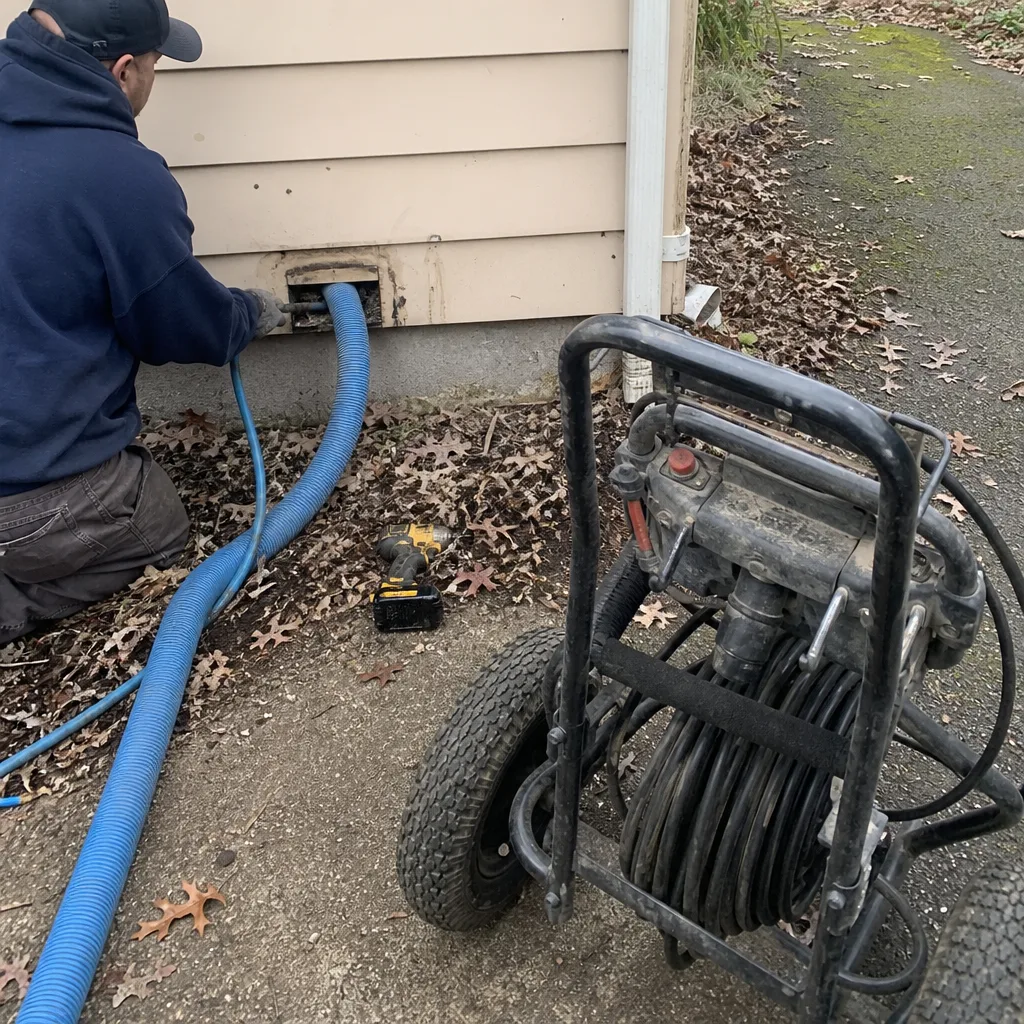 Before
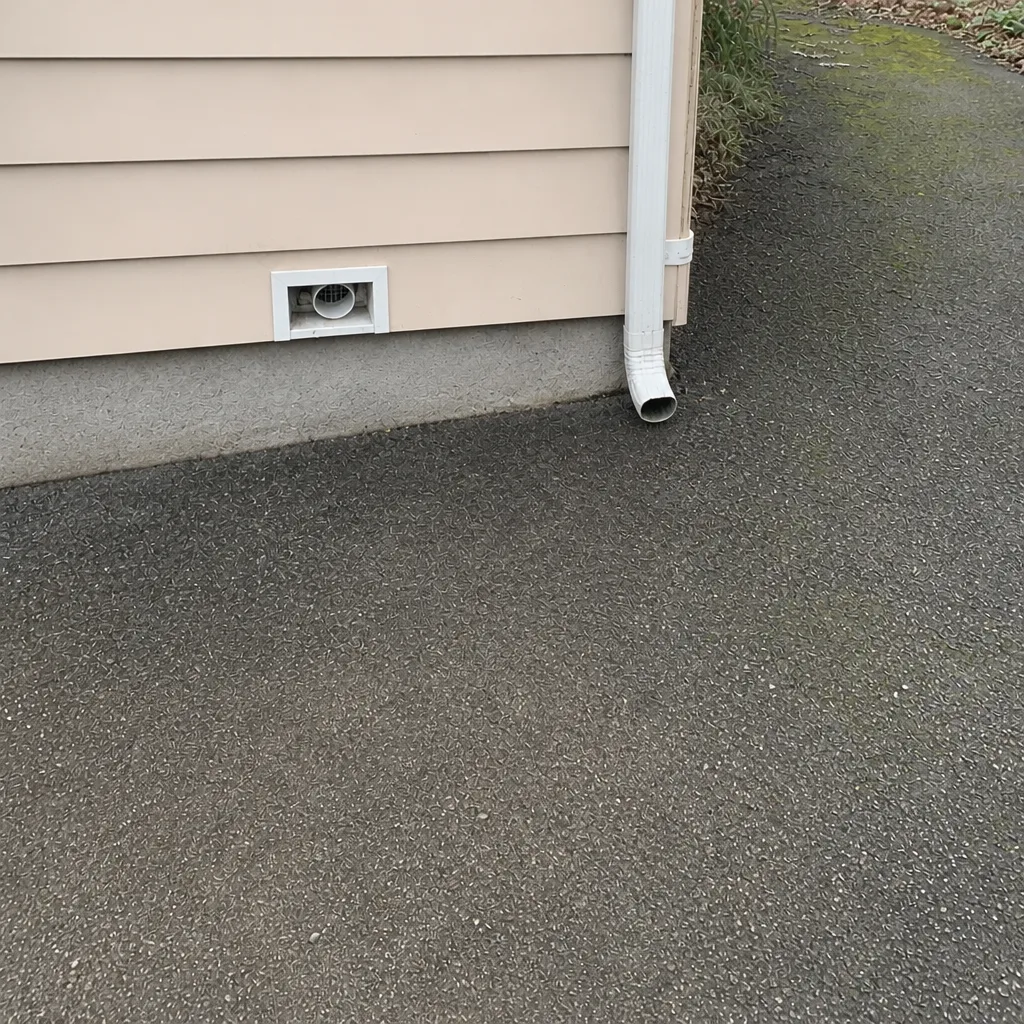 After
When to Call a Professional
Call a professional duct specialist when the work in front of you is cleaning, repair within scope, or diagnosis – and call a licensed mechanical contractor when the work crosses into duct modification. In St. Louis, that line matters because it’s the difference between a serviced system and an unpermitted HVAC alteration. If you’re not sure which side of the line your job falls on, the right move is a free estimate from a specialist who can tell you honestly and hand off anything outside their scope. Bellmont Air Duct Cleaning works with Rotobrush and Nikro extraction systems and Abatement Technologies containment, handles air duct cleaning, dryer vent cleaning, and duct repair as our three core services, and tells homeowners when a job needs a licensed trade rather than quietly doing work outside scope. Call (877) 349-6189. We answer 24/7. Fast dispatch from 7am to 7pm, Sunday through Friday.
Frequently Asked Questions
No. Routine air duct cleaning in St. Louis does not require a permit because cleaning doesn’t alter the duct system. If the work involves repairing or reconnecting ductwork, some repairs stay within the cleaning scope and some cross into licensed mechanical work. When in doubt, describe the work to your city or county building department and ask. For an exact quote on the cleaning portion, call (877) 349-6189 – estimates are free.
Some do and some don’t. Reconnecting a flex run, sealing a leaking joint, or replacing a damaged section of duct with an equivalent piece is generally restoration and can be done by a duct specialist. Adding a new run, resizing a plenum, or rerouting a trunk line is a modification, and in St. Louis County that typically requires a licensed mechanical contractor and often a permit. A specialist should tell you which category a repair falls into before work starts. Call (877) 349-6189 for a free estimate that includes an honest scope check.
Possibly. Home inspectors commonly note disconnected joints, uninsulated ducts in unconditioned space, crushed flex runs, tape-sealed joints, and visible contamination. Cleaning documentation with before-and-after photos of your own ducts helps head off concerns because it shows the system was professionally serviced. If you’re preparing to sell, an estimate from a specialist costs nothing and gives you a documented starting point. Call (877) 349-6189.
A written scope of work, before-and-after photos of your ducts, a description of any repairs performed and where, a list of recommended repairs not performed, filter condition and system notes, and the company name and service date. That paperwork protects you at resale, in an insurance claim, or with a future HVAC warranty question. Call (877) 349-6189 for a free estimate and a document you can actually use.
Sometimes, yes. A cleaning company sees the inside of the ducts, so disconnected joints, crushed sections, and debris that isn’t visible from outside the register can turn up during cleaning. That’s why a specialist who can both clean and repair within scope is worth calling – problems found during cleaning can be corrected on the same visit rather than sent off to a second contractor. Call (877) 349-6189 for an estimate.
There’s no fixed schedule. Homes with pets, recent renovation, allergy concerns, or a recent HVAC replacement tend to need cleaning more often than homes without those factors. The right interval depends on what’s inside the ducts, which is why a free estimate with a professional-grade inspection is a better starting point than a calendar rule. Call (877) 349-6189 to schedule one.
The Bottom Line
Cleaning doesn’t need a permit. Repair that restores what’s there usually doesn’t either. Modification – adding runs, resizing plenums, rerouting trunks – does, and in St. Louis County and the City of St. Louis that work generally requires a licensed mechanical contractor and a permit. The line matters because crossing it without documentation can leave you owning an unpermitted HVAC change that hurts you at resale or with your insurer. A specialist who cleans, diagnoses, and repairs within scope – and who tells you honestly when a job needs a licensed trade – protects you on both sides. That’s how we work at Bellmont Air Duct Cleaning, through our St. Louis service. For a free estimate, call (877) 349-6189. We answer 24/7. Fast dispatch from 7am to 7pm, Sunday through Friday.
Written by the team at Bellmont Air Duct Cleaning.