
Last updated November 15, 2026
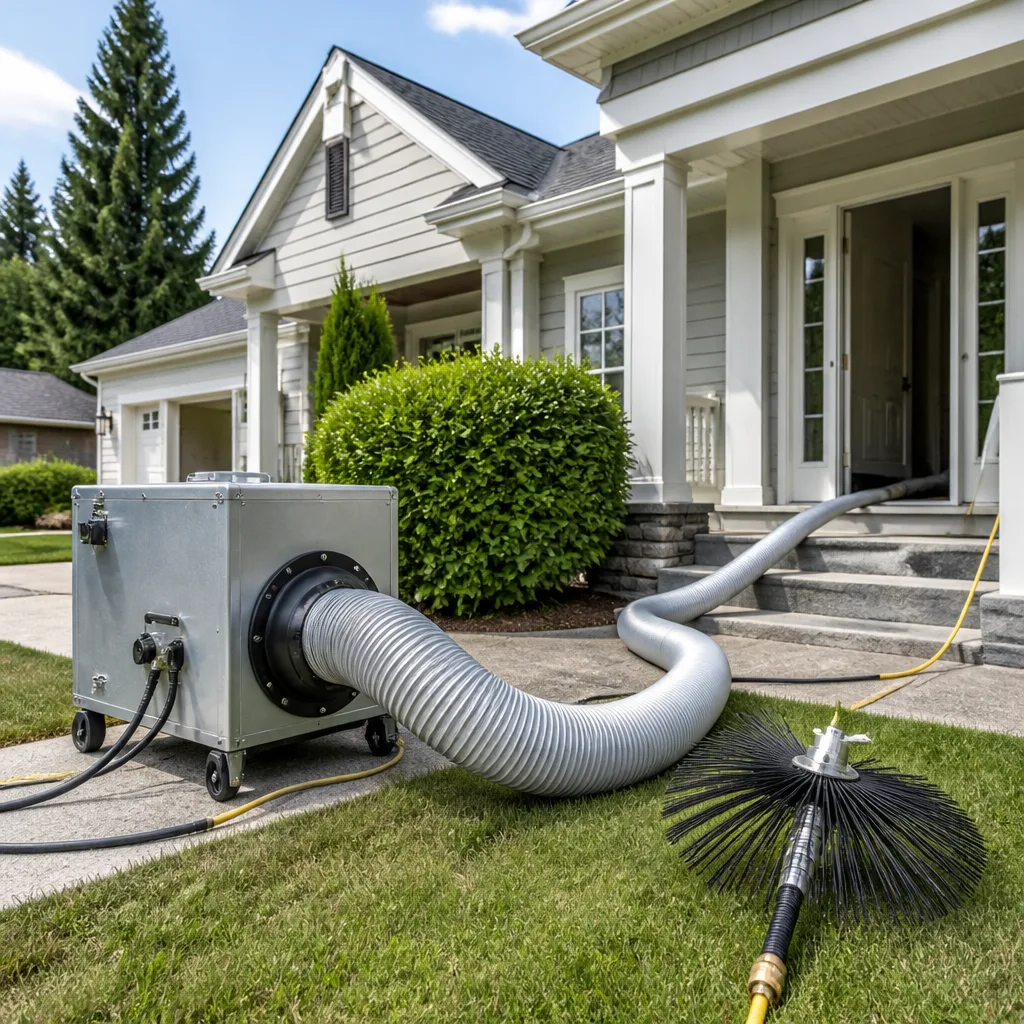 Whole-home duct cleaning
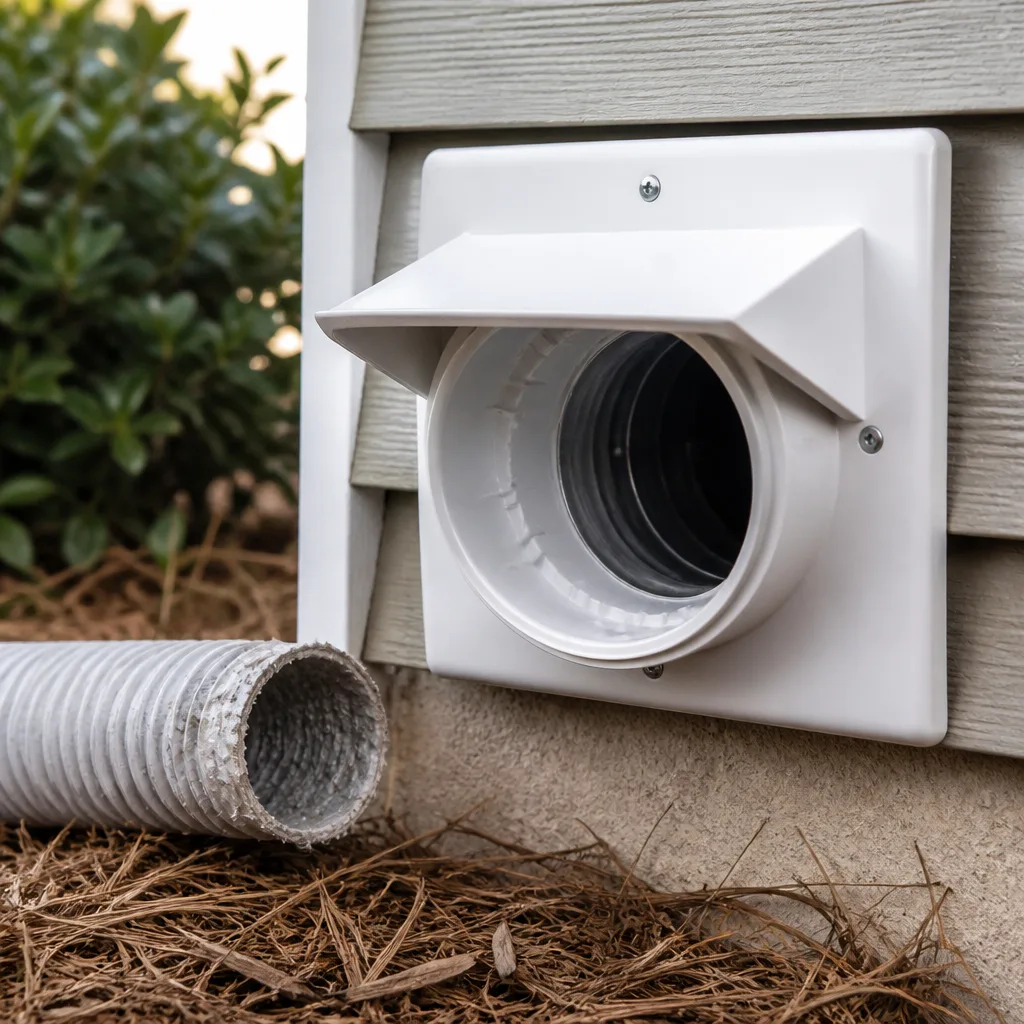 Dryer vent cleaning
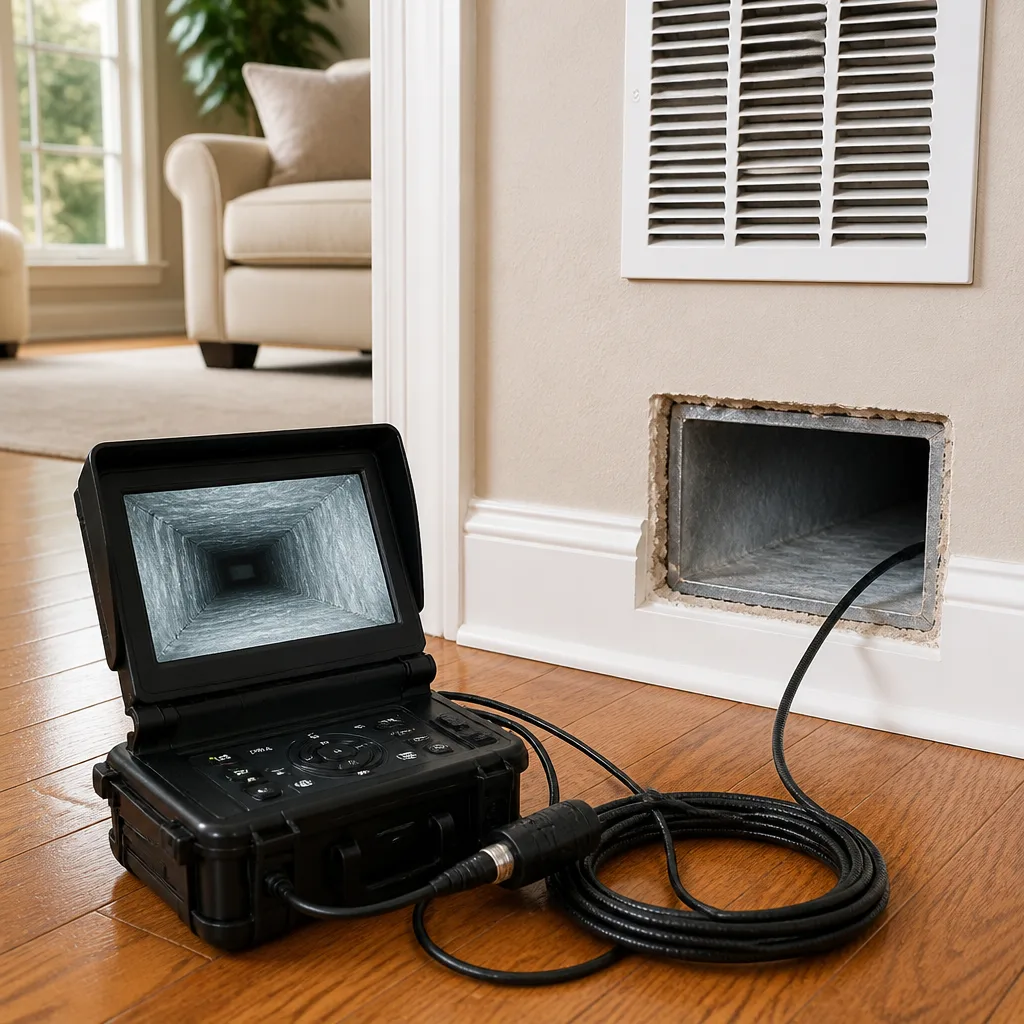 Camera inspection
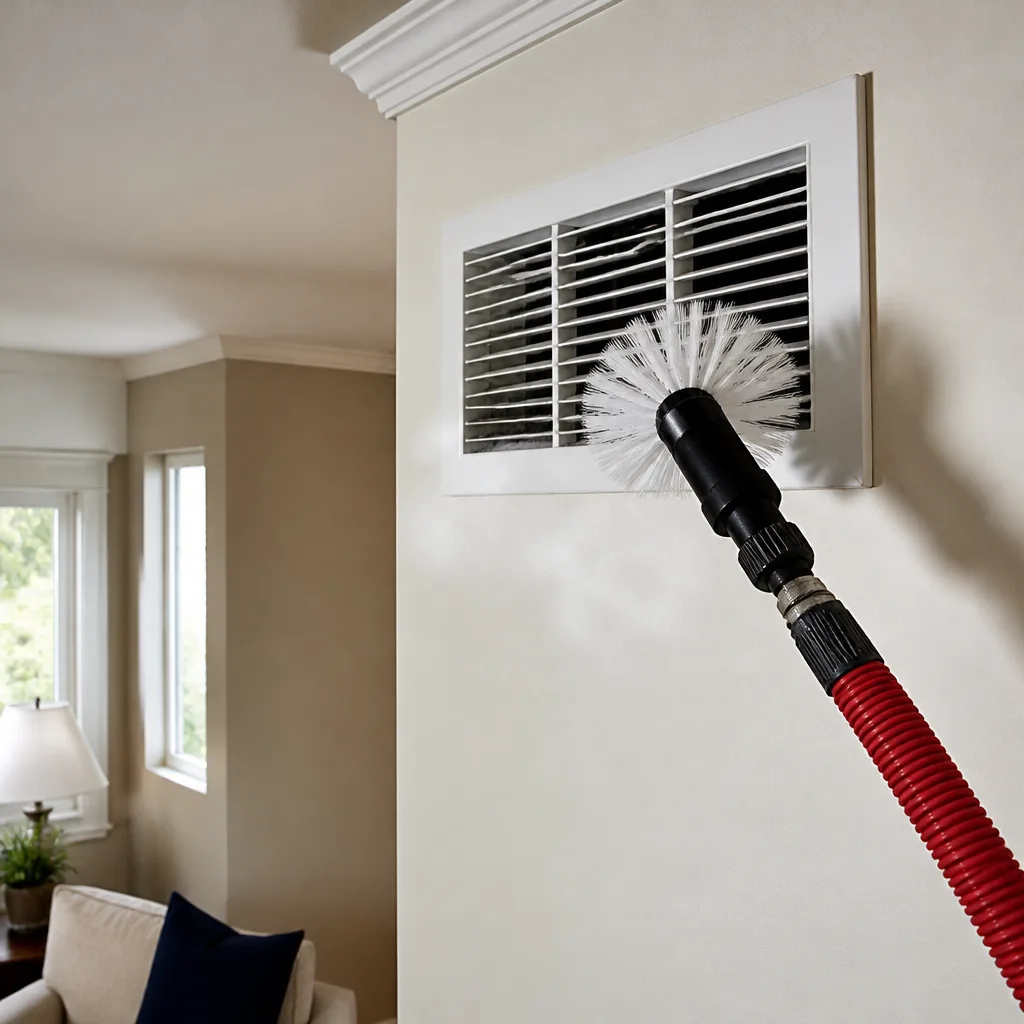 Sanitizing & deodorizing
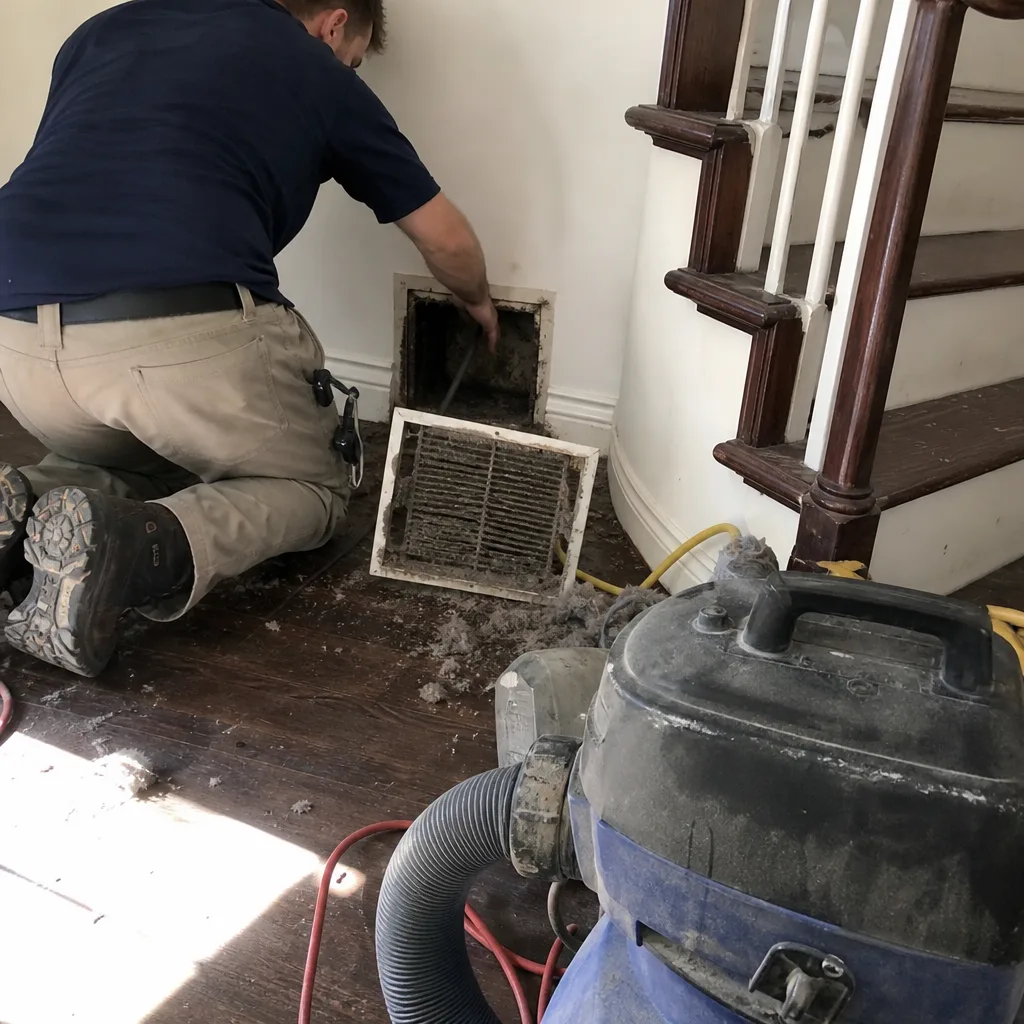
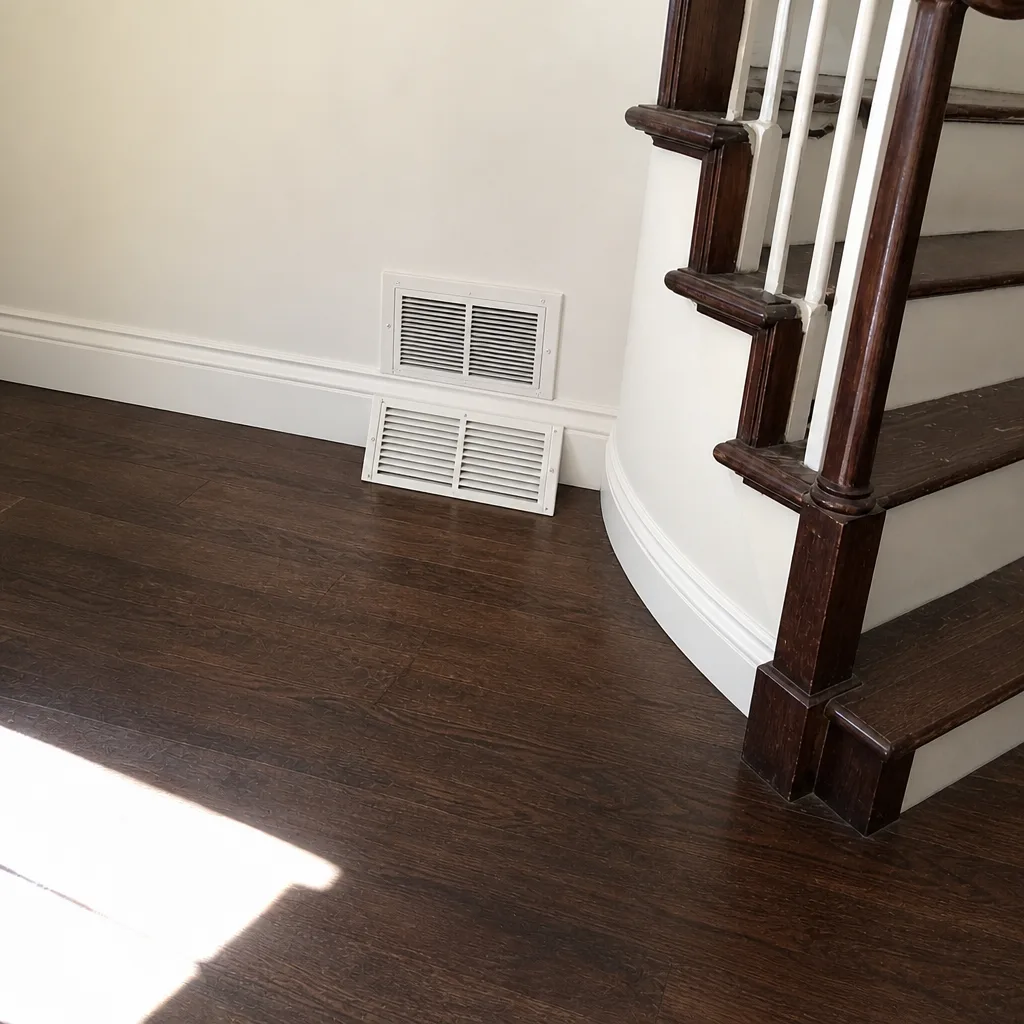
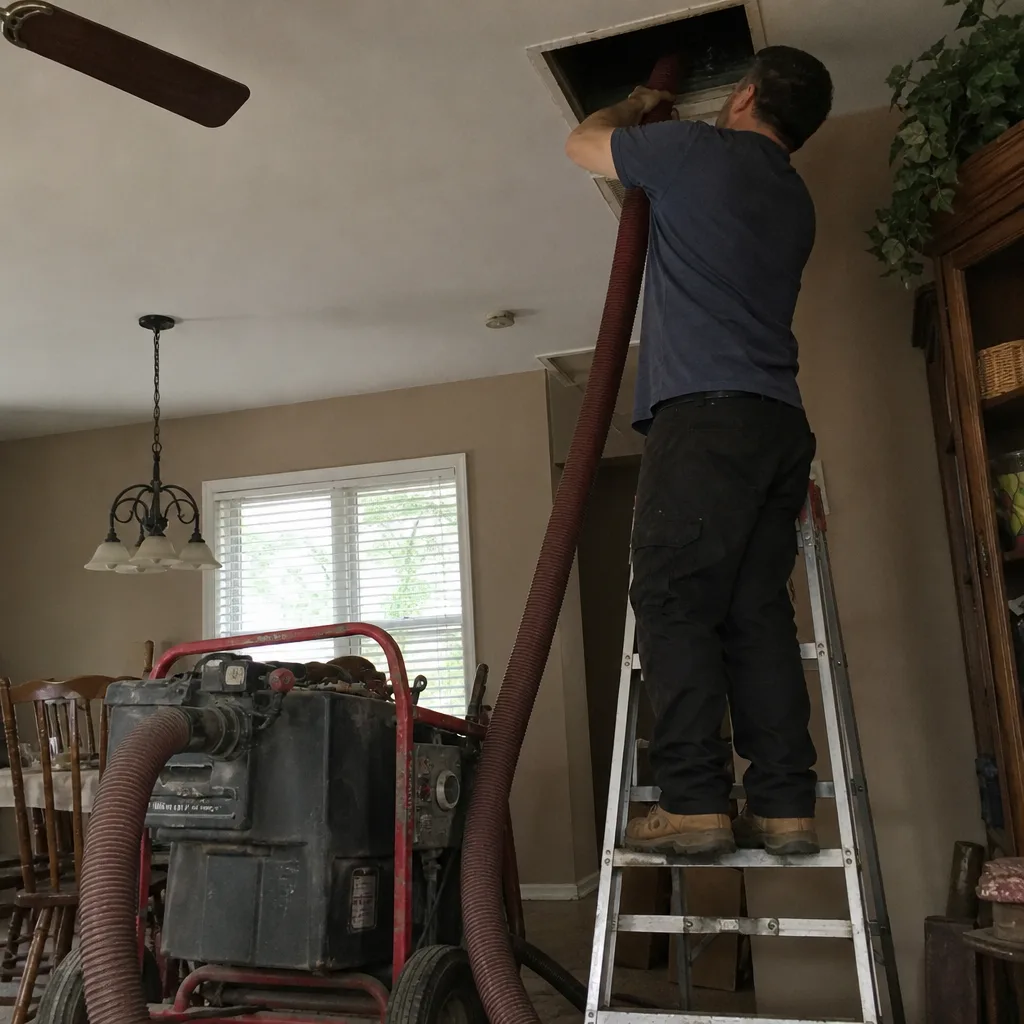
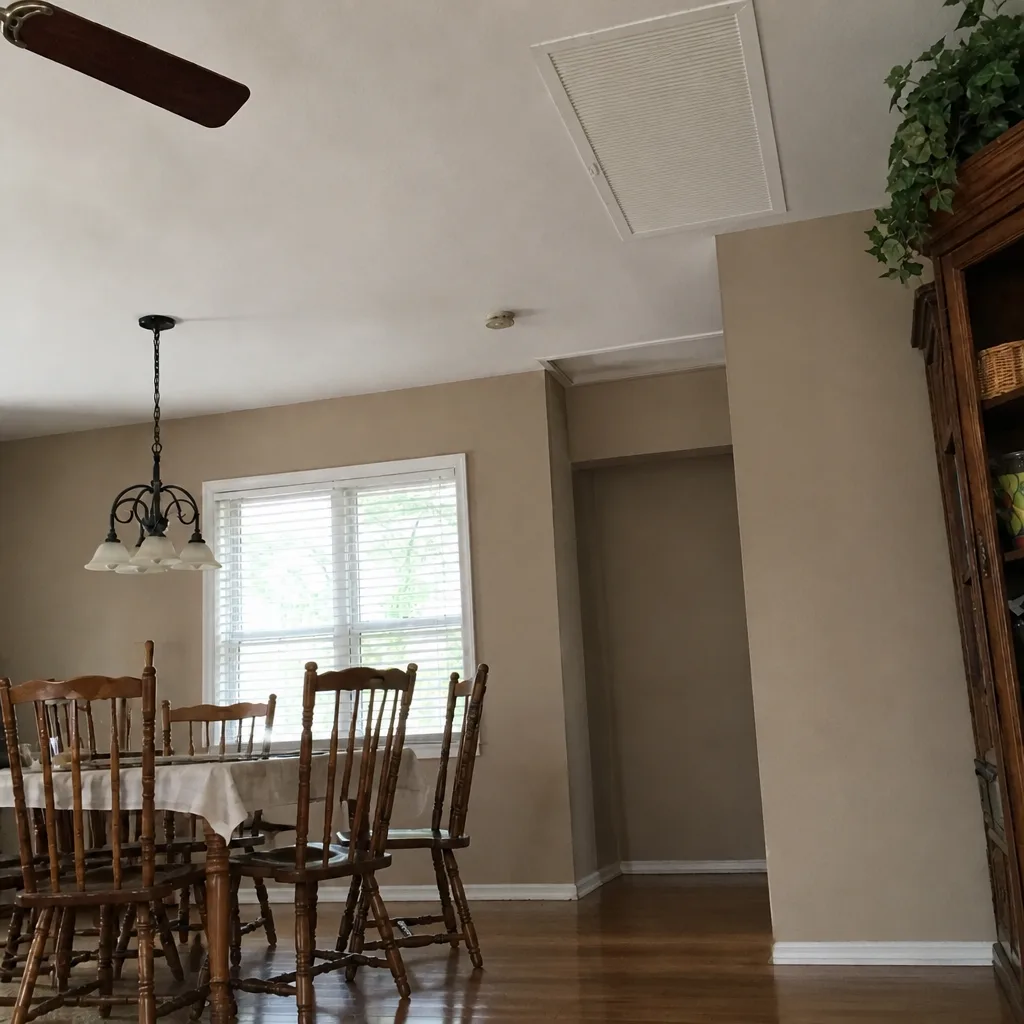
Whole-system duct and dryer vent check with before-and-after photos - you see exactly what came out of your vents
That "$99 whole-house special" is a bait ad - the real number appears once they are in your hallway, or the "clean" is a shop-vac at the register. We photograph the inside of your ducts before and after instead.
Air Duct Cleaning Warning Signs: A St. Louis Homeowner’s Reference Guide
Dust on your registers is not the most important warning sign. It’s one of the least specific. Almost every home in St. Louis has some dust at the vent grilles, and almost none of it tells you whether your ducts actually need attention. The signs that matter are subtler: a room that never gets comfortable, a smell you can’t place, a pattern of debris with a specific color and texture. Most homeowners have already seen these signals without knowing what they mean. This guide decodes them, separates a cleaning problem from a repair problem, and gives you a reference you can use before you call anyone in St. Louis.
Quick Answer
The warning signs that most reliably point to dirty or damaged ductwork are uneven airflow between rooms, a musty or dusty smell that returns after cleaning the house, visible debris patterns at the registers, increased dust after a renovation or a basement moisture event, and a dryer that takes more than one cycle to dry a load. If you notice two or more of these at once, it’s worth having the system inspected. In St. Louis, the combination of older housing stock and humid summers makes duct moisture and disconnected runs more common than most people expect.
Styles & brands we work with
- Whole-home duct cleaning
- Dryer vent cleaning
- Camera inspection
- Sanitizing & deodorizing
Table of Contents
- Sign 1: Uneven Airflow and Rooms That Never Get Comfortable
- Sign 2: Odors You Can Tell Apart (and What Each One Means)
- Sign 3: Visible Register Debris Patterns
- Sign 4: Post-Renovation and Post-Flood Indicators in St. Louis Homes
- Sign 5: The Dryer That Takes Too Long
- Cleaning Need vs. Repair Need: Why the Difference Matters
- What a Real Duct Inspection Looks Like
- How Often Ducts in St. Louis Actually Need Attention
- Common Mistakes to Avoid
- When to Call a Professional
- Frequently Asked Questions
Sign 1: Uneven Airflow and Rooms That Never Get Comfortable
If one room in your home is always a few degrees off, the first instinct is usually to blame the air conditioner. In our experience, uneven temperatures are more often a duct problem than an HVAC capacity problem. A blocked run, a crushed flex duct in a tight attic, a disconnected joint behind a wall, or a damper stuck half-closed will starve a room of conditioned air no matter how well the equipment is running. The HVAC system is doing its job. The air just isn’t arriving.
Here’s how to separate the two causes without tearing anything apart:
- Check the register closest to the air handler versus the furthest room. If the near register has strong, cold flow and the far room feels weak, the problem is distribution, not capacity.
- Feel the air at the suspect register while the system runs. No flow at all often means a disconnected or severely crushed run. Weak flow with some cold air usually means a partial blockage or a leaking joint.
- Listen at the grille. A whistling sound suggests restriction. A rattle or hum can point to a loose damper or a duct rubbing against a joist.
- Note whether the problem changes with the season. A room that’s uncomfortable only in summer usually points to cooling delivery. A room that’s uncomfortable year-round is more often a supply-and-return balance issue.
St. Louis homes built before the 1980s often have sheet-metal trunk lines with flex branches added during later renovations. Those additions are where disconnected runs show up most often. A room that was once a porch or a converted garage frequently gets a single undersized run that can’t keep up. Identifying that pattern matters, because cleaning a well-sealed system won’t fix a distribution problem, and no amount of cleaning will. The Bellmont Air Duct Cleaning approach is to look at the whole layout on the first visit rather than assume every uneven room needs the same fix.
Sign 2: Odors You Can Tell Apart (and What Each One Means)
Smell is the most specific warning sign and the most often misread. Homeowners tend to describe every duct odor as “musty,” but three distinct categories mean three different things. Learning to tell them apart will save you from paying for the wrong service.
Musty smell (biological)
A musty, earthy, damp-basement smell usually points to biological growth somewhere in the system. In St. Louis, that typically means a damp basement duct run, a return duct pulling from a humid crawlspace, or condensation on a cold-metal duct during a humid summer. The smell gets worse when the system first kicks on and fades after a few minutes. That pattern is a strong signal the contamination is inside the ductwork, not in the room.
Dusty smell (debris)
A dry, dusty, “old attic” smell that appears every time the blower starts usually means accumulated debris. This is the most common category in St. Louis homes and the one most likely to be resolved by a proper cleaning. The smell is telling you the system is moving years of settled particles into the living space every time it runs.
Chemical or plastic smell (insulation or adhesive)
A sharp, plastic, or glue-like smell is different. It can point to deteriorated duct insulation, failing internal duct liner, or adhesive breaking down on a flex duct. A chemical smell is a repair signal, not a cleaning signal. If a liner is shedding inside a duct, cleaning can make the problem worse because it dislodges more material. This is exactly the kind of thing that requires a specialist who can both diagnose and repair, not a general cleaner who only vacuums.
If you can’t tell which category you’re smelling, note when it appears and how long it lasts. That description alone will save time on the inspection.
Sign 3: Visible Register Debris Patterns
Not all buildup at the grille is the same. Color and texture are clues about where the contamination came from and whether the ductwork itself is compromised.
- Light gray, uniform dust. Ordinary household dust. Rarely a reason on its own to clean the ducts.
- Dark gray or black soot-like buildup. Often from a nearby renovation, a poorly vented combustion appliance, or candle and cooking residue. Persistent black buildup at multiple registers can point to a return-side problem.
- Yellowish or brown staining. Moisture. This is the pattern to take seriously in St. Louis, where humid summers push condensation into cold basement runs. Staining at the register often means water is reaching the duct interior.
- Fuzzy or fibrous material. Shedding insulation or liner. A repair issue, not a cleaning issue.
- Construction dust and drywall grit. Fine white or gray powder with a gritty feel. Typical after a renovation, and one of the most common reasons people call us.
- Pet hair and lint mats. Common in homes with shedding animals and a return grille near the floor. Usually a sign the return side needs attention more than the supply side.
Look at the register closest to the air handler and the one furthest from it. If the near register is heavily soiled and the far rooms are clean, the contamination is concentrated near the source. If every register shows the same buildup, the problem is system-wide. That pattern tells us how much of the ductwork actually needs work.
Sign 4: Post-Renovation and Post-Flood Indicators in St. Louis Homes
Two events in St. Louis reliably push debris and moisture into ductwork: a renovation and a basement water event. Both are common here, and both leave a signature inside the ducts.
After a renovation
Drywall dust, sawdust, and insulation fibers get pulled into the return system within hours of a demo. The filter catches some of it. The rest settles into the return plenum and the branches. The warning signs show up over the following weeks:
- Fine grit reappearing on surfaces you just cleaned
- A dusty smell that gets stronger when the system starts
- Visible drywall powder inside the return grille when you remove it
- Filters clogging faster than usual
- A run that seems to have less airflow than before the work started
If a renovation involved moving walls or adding rooms, there’s a second concern: a new branch duct may have been added badly, or an old one capped without being sealed properly. That’s why post-renovation duct checks often turn into repair jobs.
After a basement water event
St. Louis gets intense summer storms, and a wet basement is common. When water reaches a basement return duct or a low supply run, moisture wicks into insulation and the duct interior. The warning signs in the following weeks include a musty smell that wasn’t there before, visible rust or mineral staining at low registers, and cold sweaty ducts in humid weather. This is the pattern that most often requires a repair as well as a cleaning, because wet insulation inside a duct doesn’t dry out on its own. If the water event was significant, an inspection before turning the system back on is the sensible order of operations.
Sign 5: The Dryer That Takes Too Long
A dryer that needs two cycles to dry a normal load is one of the clearest warning signs of a restricted vent, and it’s also one of the most overlooked. In St. Louis homes with laundry rooms on interior walls or dryers pushed back against a long run of flex duct, lint buildup reduces airflow and forces the dryer to run hot and long. The signs:
- Clothes still damp after a full cycle
- The dryer body or the top of the machine feels hot during a cycle
- The outside vent flap doesn’t open fully or doesn’t open at all
- Lint accumulating behind the dryer or around the vent
- The laundry room feeling more humid than the rest of the house
Dryer vent restriction is a fire-safety issue, not an air-quality one. The dryer vent cleaning service addresses this directly, and it’s one of three services we focus on for a reason: it’s a leading cause of residential house fires, and it’s easy to defer until something goes wrong. If you’re seeing two or more of the signs above, don’t wait.
Cleaning Need vs. Repair Need: Why the Difference Matters
This is the distinction that separates a properly handled duct problem from a repeat problem. Cleaning removes what’s inside a duct. Repair restores the duct’s integrity. If a run is disconnected, crushed, or shedding insulation, cleaning it makes no more sense than vacuuming under a leak. The debris comes back, often within weeks.
Here’s a practical breakdown:
- Cleaning is the likely need when: debris is uniform and removable, odors are dusty or musty, filters clog faster than usual, or a recent renovation loaded the system with construction dust.
- Repair is the likely need when: airflow is uneven or absent in specific rooms, a chemical or plastic smell is present, insulation is visibly shedding, staining shows moisture, or a duct has been crushed in an attic or basement remodel.
- Both are often needed when: a moisture event or a renovation combined with an older system, or when an inspection reveals both debris and a compromised section.
The reason we offer air duct cleaning and repair under one company is that these decisions have to be made on the same visit. If we find a disconnected run during a clean, we fix it right then. That’s better for you than being told to find a second contractor, and it means your cleaning investment actually holds. We use professional-grade Rotobrush and Nikro extraction systems and Abatement Technologies equipment for containment, and we work with Honeywell and Aprilaire systems for filtration and humidity control. None of that replaces the core point: diagnosis first, then the right treatment.
What a Real Duct Inspection Looks Like
If you’ve noticed several of the warning signs above, here’s what a proper inspection involves, so you know what to expect and what questions to ask before you hire anyone in St. Louis.
- A walkthrough of the whole system. The technician should ask about the home’s history, recent renovations, water events, and any rooms with comfort issues.
- Return and supply side checks. Both matter. A cleaning that omits the return side is a surface job.
- Access and camera work where needed. A specialist should be able to look inside a duct, not just at the grille.
- Airflow measurement at multiple registers. This is what separates a distribution issue from a cleaning issue.
- A written recommendation. It should state clearly what needs cleaning, what needs repair, and what needs nothing.
- Before-and-after photos of your own system. Not stock photos. Yours.
Our technicians have up to 9 years of experience, and that experience matters most in the diagnosis phase, where the wrong call leads to either an unnecessary cleaning or a missed repair. Estimates are free, and they’re written down.
How Often Ducts in St. Louis Actually Need Attention
There’s no universal schedule. The honest answer is that duct attention is driven by events, not by the calendar. Here’s a practical reference for St. Louis homeowners:
- After a major renovation: Inspect once the dust has settled, typically within a few weeks of work ending.
- After a basement water event: Inspect before running the system again if water reached a duct.
- When signs of a problem appear: Two or more of the warning signs in this guide is a reasonable threshold.
- Routine home maintenance: Verify airflow at every register once a year, and change the filter on schedule. If those checks stay normal, there’s often nothing to do.
- Dryer vent: Address it whenever cycling times creep up or the outside flap stops opening fully.
Be wary of any company that insists every home needs the same service on the same schedule. The ducts in a mid-century brick bungalow in south St. Louis and the ducts in a newer home in west county are different systems with different sources of debris. A schedule that ignores that is a schedule designed for the company, not the homeowner.
Common Mistakes to Avoid
- Judging duct health by the registers alone. Dust at the grille is the least specific sign in this guide. It’s a starting point, not a diagnosis. Check airflow and smell first, then look at debris patterns.
- Treating every odor as a cleaning problem. A chemical or plastic smell usually means something is failing inside the duct. Cleaning can make a shedding liner worse and leave you with the same smell in a month.
- Skipping the return side. The return pulls debris from every room into the system. A cleaning that only touches the supply side leaves the accumulation intact.
- Assuming uneven rooms mean the air conditioner is too small. In older St. Louis housing stock, the more common cause is a disconnected or crushed run. Get airflow checked before buying a bigger unit.
- Letting a renovation close out without a duct check. Construction dust settles into the system and gets recirculated. A short check after the work ends costs far less than a restoration cleaning later.
- Treating dryer vent restriction as normal. Two cycles to dry a load is a warning sign, not a quirk. The vent flap on the outside of the house should open fully during a cycle.
- Hiring a cleaner who can’t repair. If the inspection finds a disconnected run or shedding insulation, a cleaning-only company will have to refer you out, and the debris you just paid to remove comes back.
When to Call a Professional
Call when two or more warning signs show up at once, when a renovation or water event has loaded the system with dust or moisture, or when a specific room has lost airflow in a way that’s persistent. Call sooner if you smell a chemical or plastic odor, if you see staining or shedding insulation at the registers, or if the dryer needs two cycles. Those are repair signals. A trained professional should inspect the system, explain what they find, and give you a written estimate before any work starts. Bellmont Air Duct Cleaning offers free estimates in St. Louis – call (877) 349-6189. We answer 24/7. Fast dispatch from 7am to 7pm, Sunday through Friday.
Frequently Asked Questions
Uneven airflow between rooms is the most reliable single sign, because it’s hard to confuse with ordinary house dust. If the register closest to the air handler has strong flow and a distant room is weak, the likely cause is a distribution or debris problem, not an undersized air conditioner. Combine that with a dusty smell when the system starts, and a cleaning is worth considering. Call (877) 349-6189 for an exact quote – estimates are free.
Air duct cleaning in St. Louis is typically quoted per whole system rather than per vent, and the price depends on the number of runs, the amount of debris, and whether repairs are needed. We give one flat price per system, agreed before work starts, and we do not quote a teaser price that grows once the technician is on site. The written estimate sets the final number. Call (877) 349-6189 for an exact quote – estimates are free.
Very low quotes usually exclude the return side, skip containment, or are priced to grow once the technician arrives. A real cleaning uses professional containment and extraction, includes the return side, and gives you before-and-after photos of your own system. If a price looks too good for a whole-house cleaning in St. Louis, ask exactly what’s included. One flat price per system, set in writing, is the honest way to buy this service.
Before-and-after photos of your own ductwork are the standard answer. Ask for them, and ask for airflow measurements at multiple registers. We don’t use stock photos. Your system is photographed as found and as finished. Call (877) 349-6189 for a free estimate and we’ll explain exactly what the written scope will cover.
Sometimes, and sometimes not. If the smell comes from dust and debris, cleaning resolves it. If it comes from a damp duct, a wet basement return, or a moisture source that hasn’t been addressed, cleaning alone gives you a short window of relief before the smell returns. That’s why we ask about water events before recommending anything. In St. Louis’s humid summers, moisture-driven odors are common enough that the order of operations matters. Call (877) 349-6189 to talk through what you’re smelling.
It depends on events, not a calendar. A renovation, a basement water event, or persistent warning signs are all reasons to inspect. Homes without those events often go years without needing service. Annual checks of airflow at every register and a properly scheduled filter change are the practical baseline. If the checks stay normal, there’s usually nothing to do. Call (877) 349-6189 if you’re not sure what you’re seeing.
The Bottom Line
The warning signs that matter most in St. Louis homes are uneven airflow, distinct odors that you can categorize, debris patterns with a specific color and texture, events like a renovation or a wet basement, and a dryer that takes two cycles. Dust at the registers is the weakest signal and the most often cited. If two or more signs appear at once, get an inspection, and get a written recommendation that separates a cleaning need from a repair need. A specialist who can do both means the problem gets solved once, not repeated. The price is one flat price per system, agreed before work starts, with before-and-after photos of your own ducts.
Bellmont Air Duct Cleaning handles air duct cleaning, dryer vent cleaning, and duct repair for homes across St. Louis. Call (877) 349-6189 for a free estimate. We answer 24/7. Fast dispatch from 7am to 7pm, Sunday through Friday. Same-day service is available. If you’d like to know more about how we work, start with Bellmont Air Duct Cleaning.
Written by the team at Bellmont Air Duct Cleaning.
See the difference
 Before
 After
 Before
 After
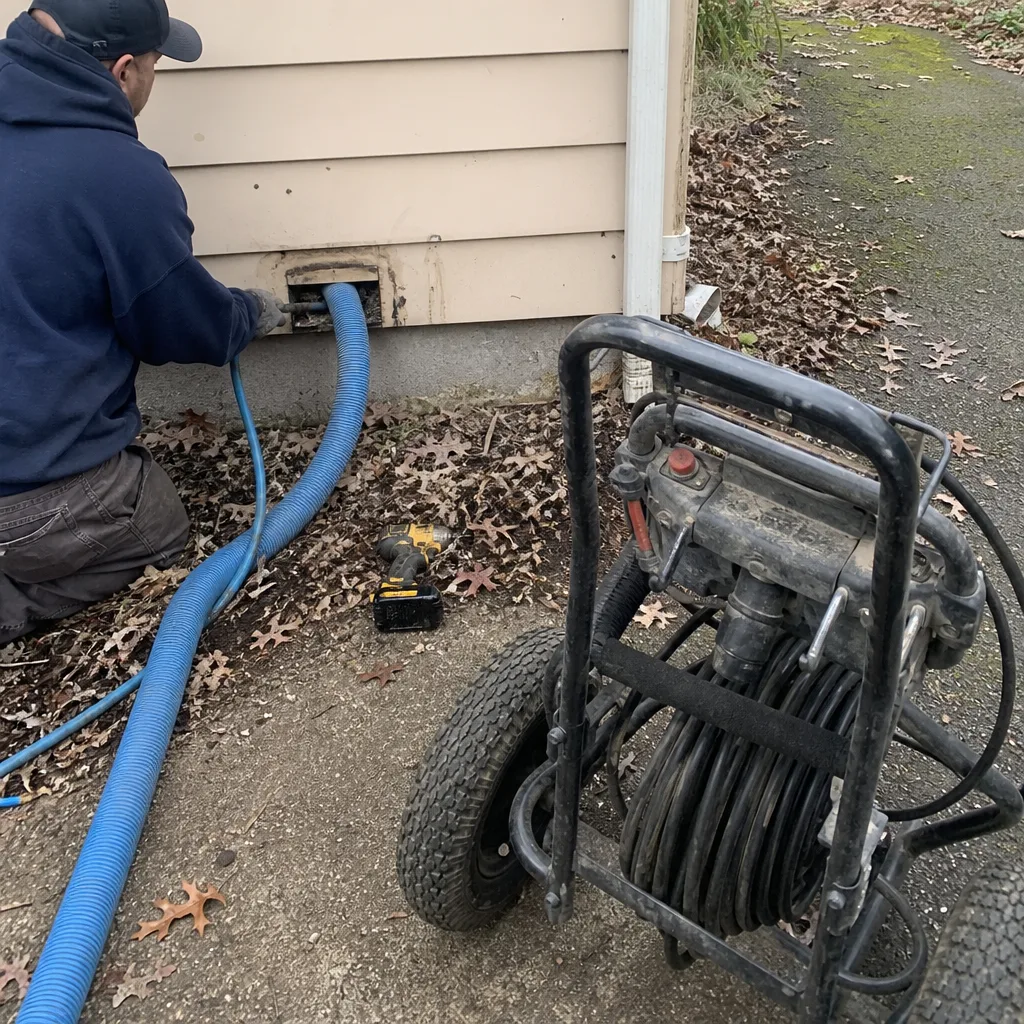 Before
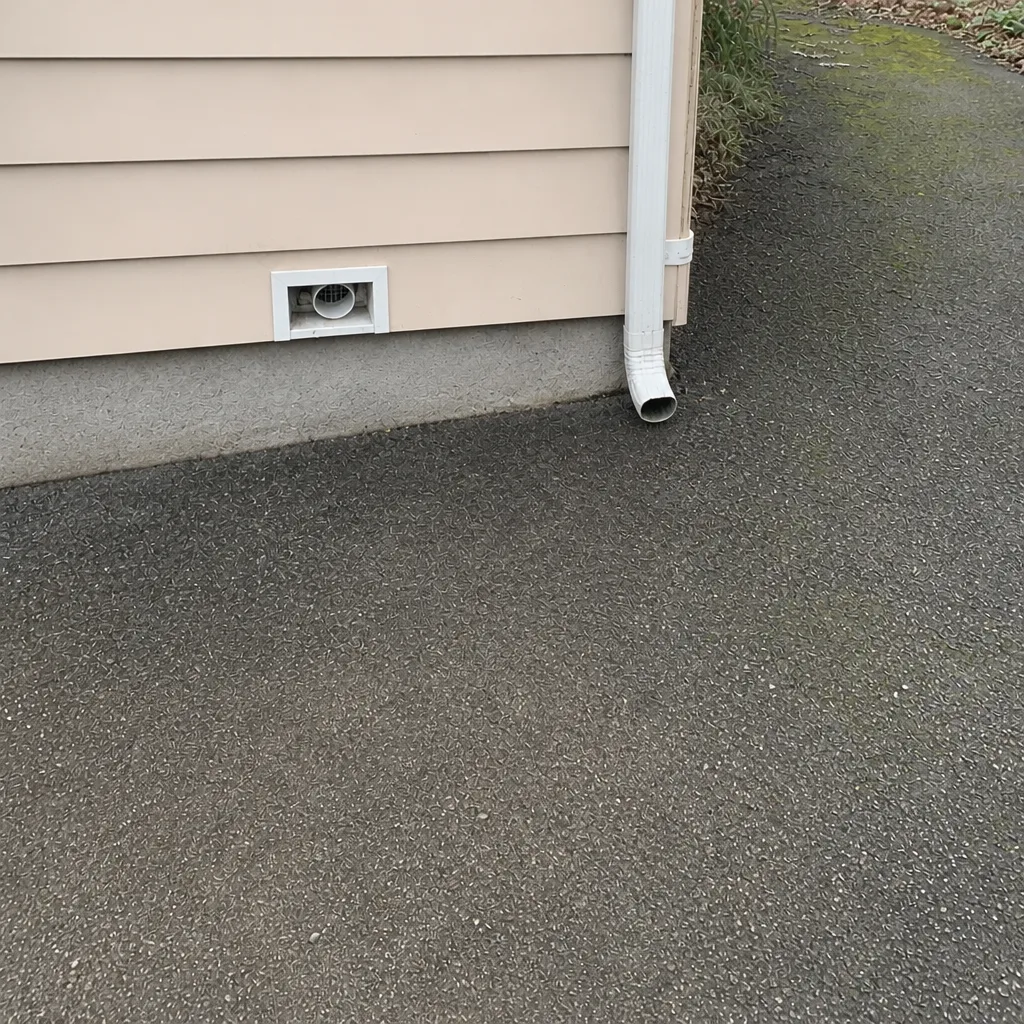 After