
Last updated November 15, 2026
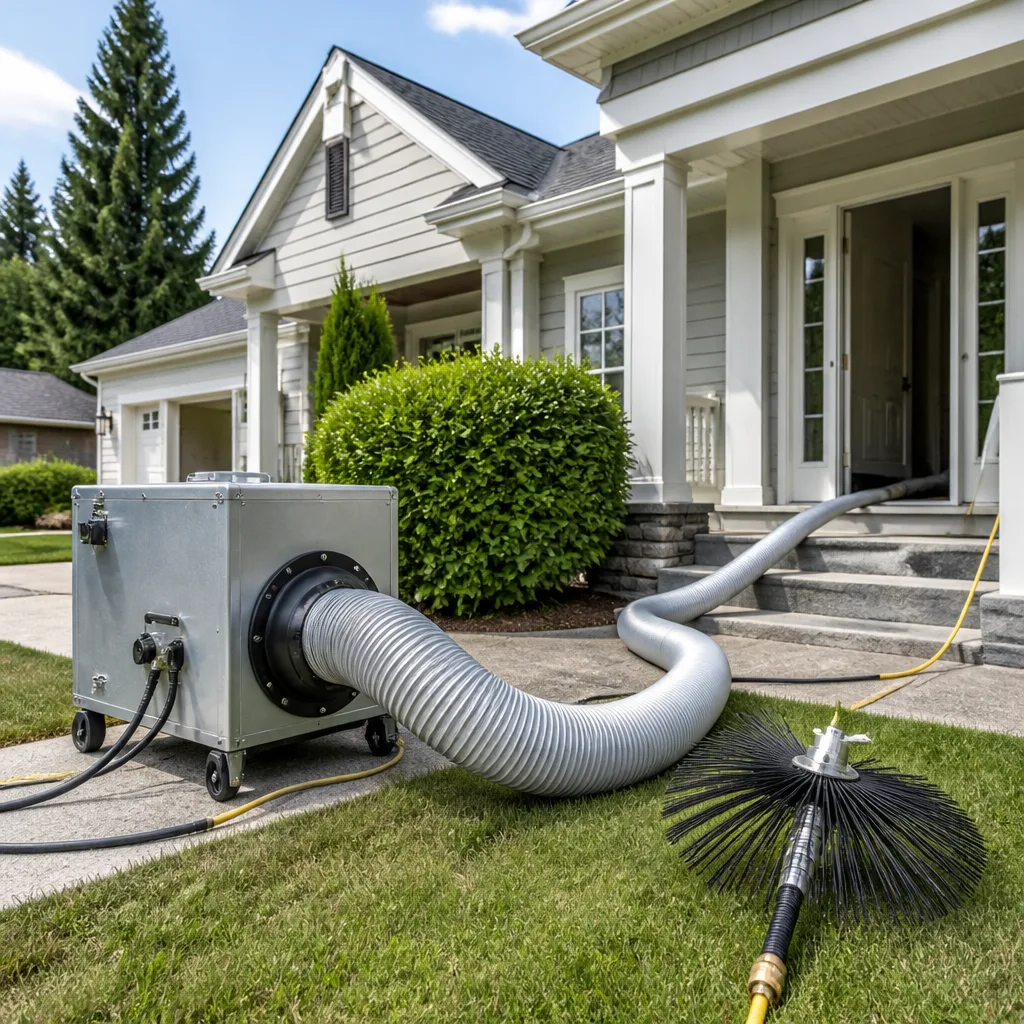 Whole-home duct cleaning
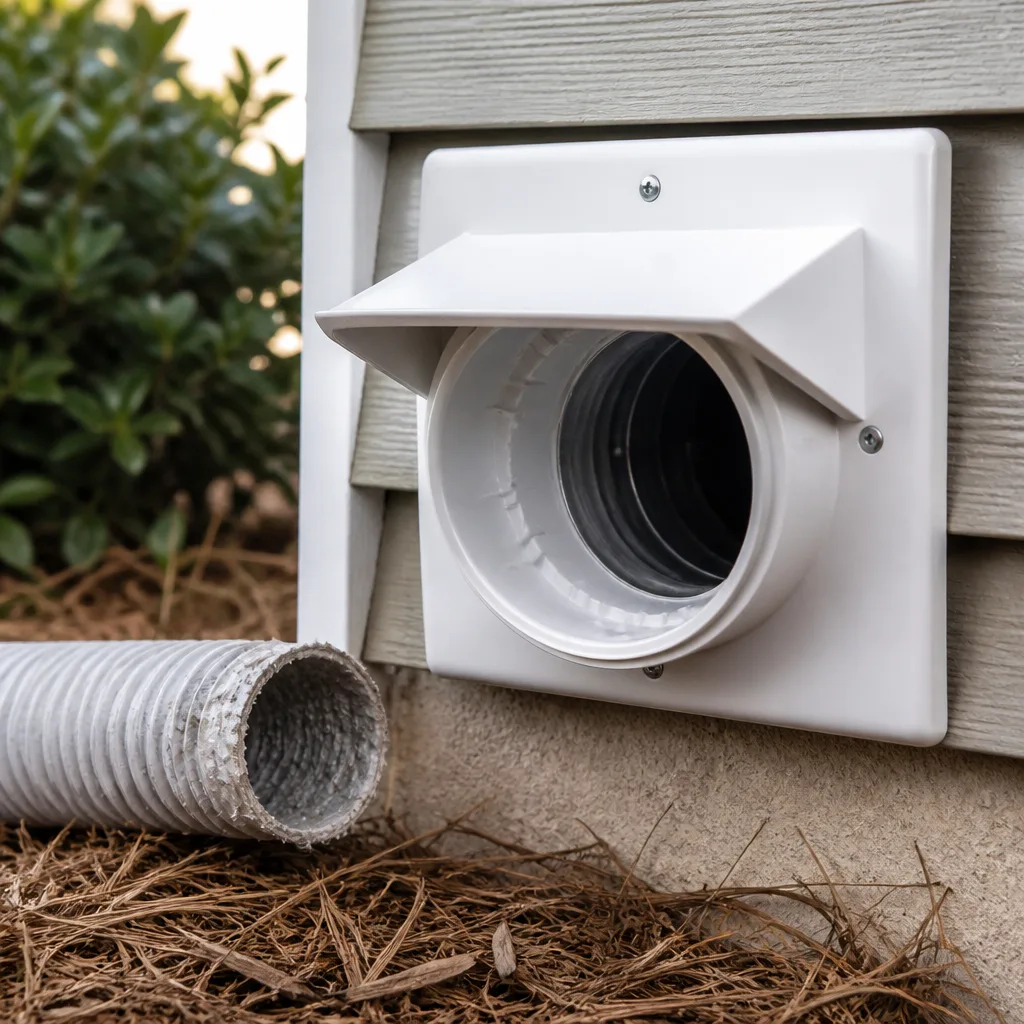 Dryer vent cleaning
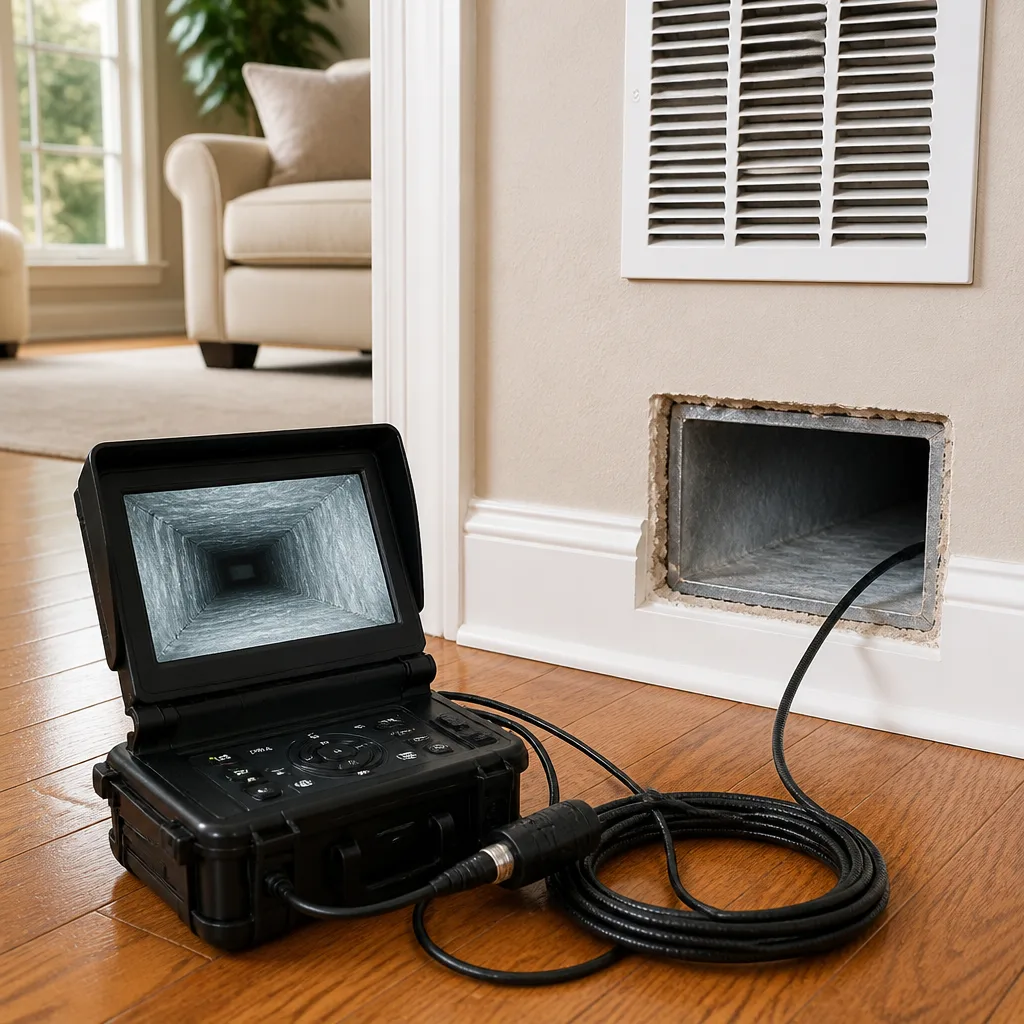 Camera inspection
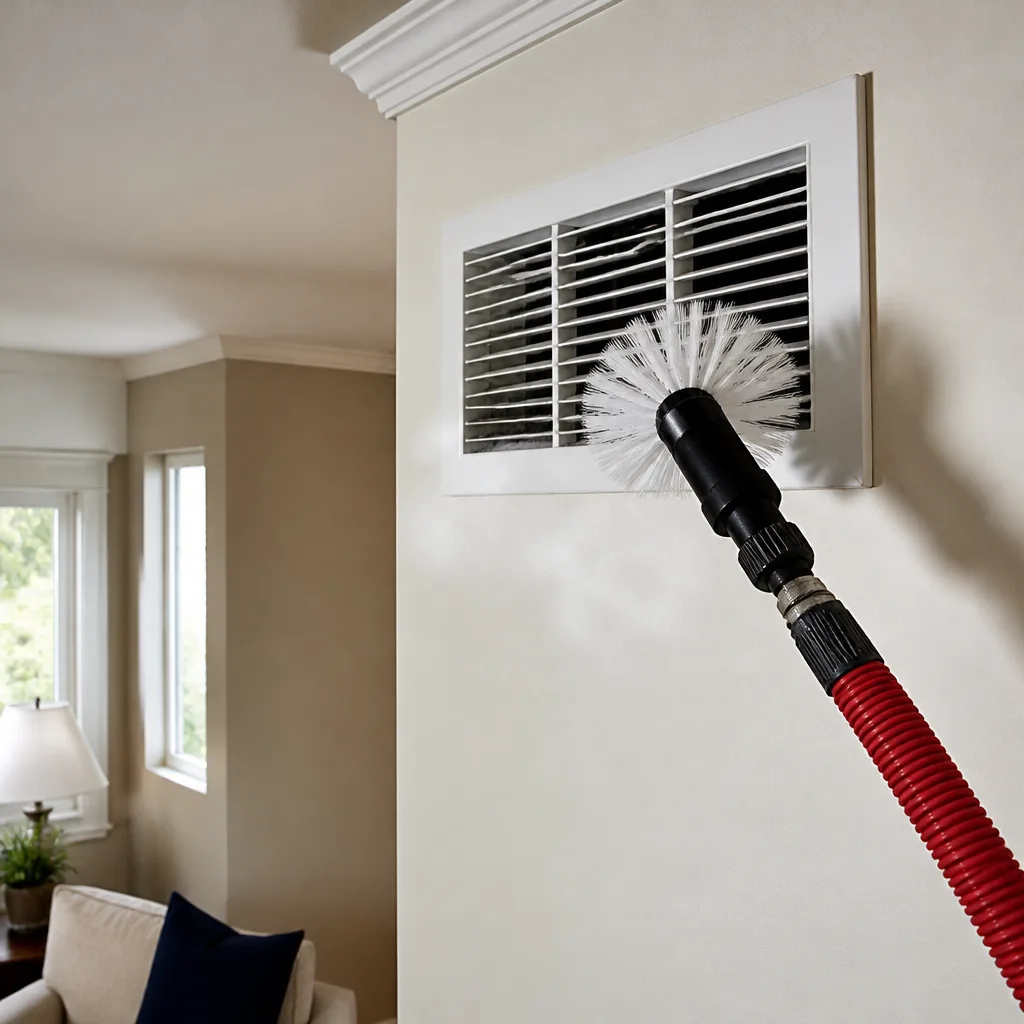 Sanitizing & deodorizing
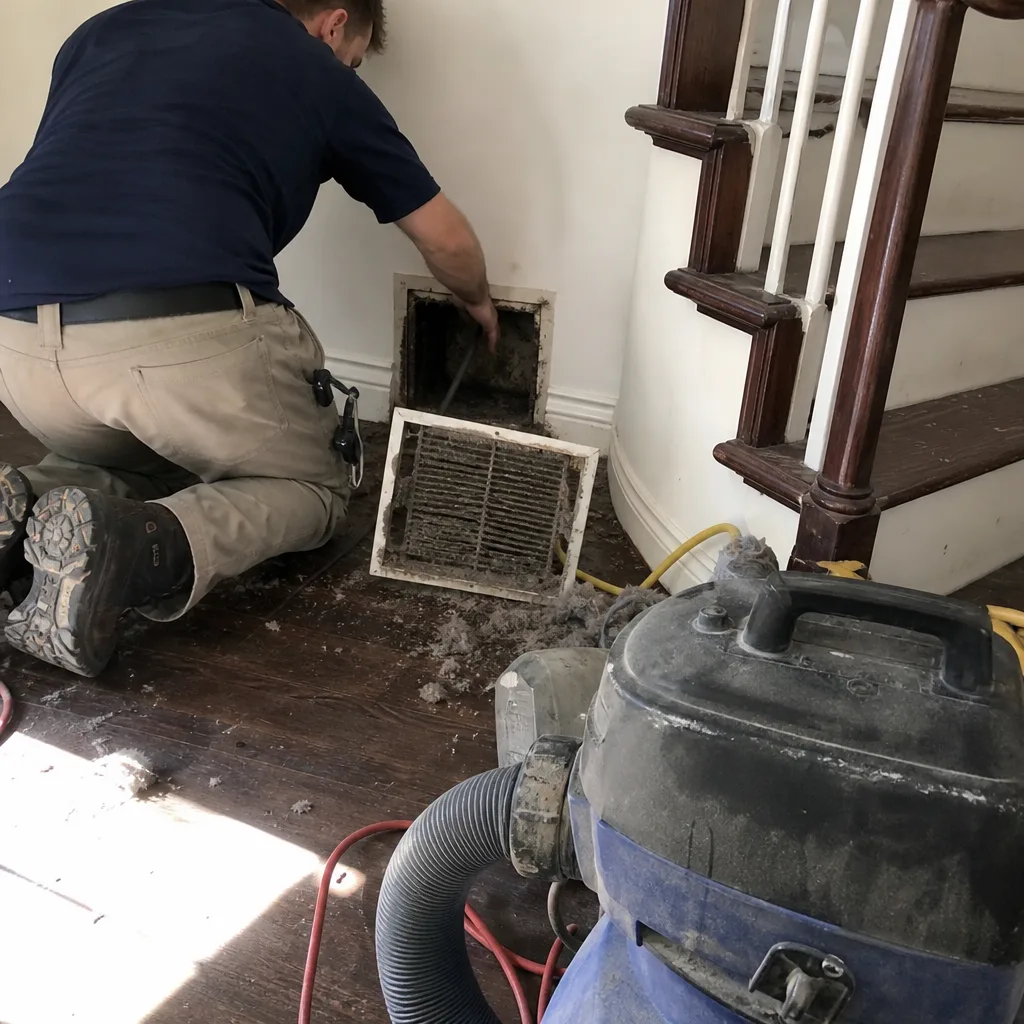
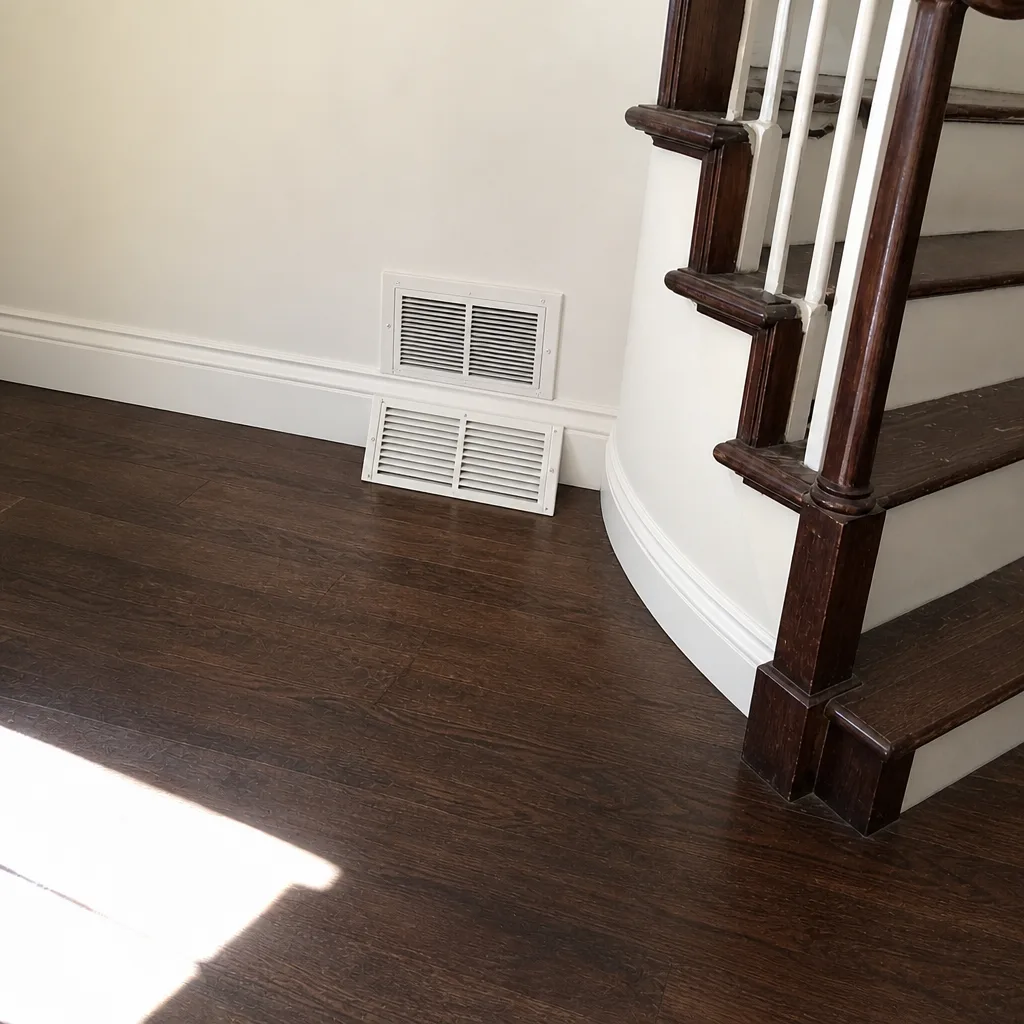
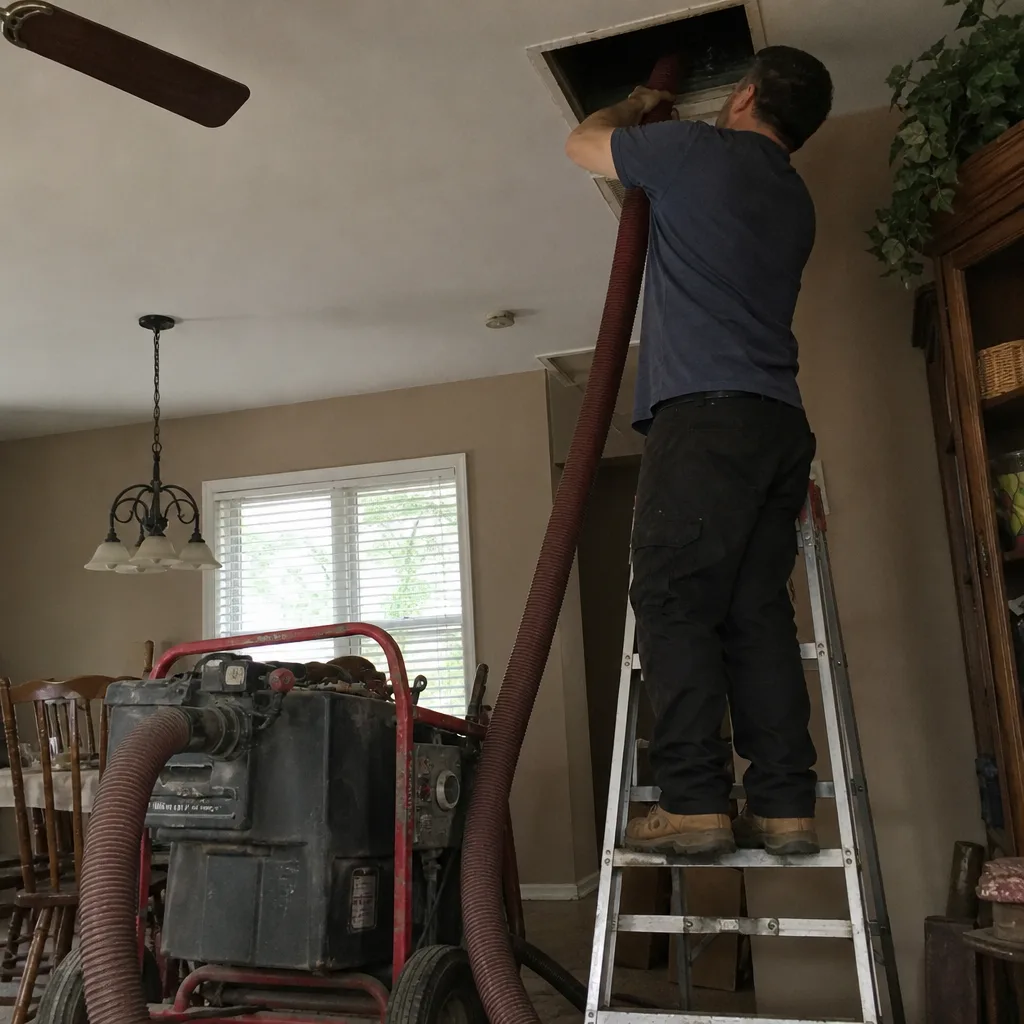
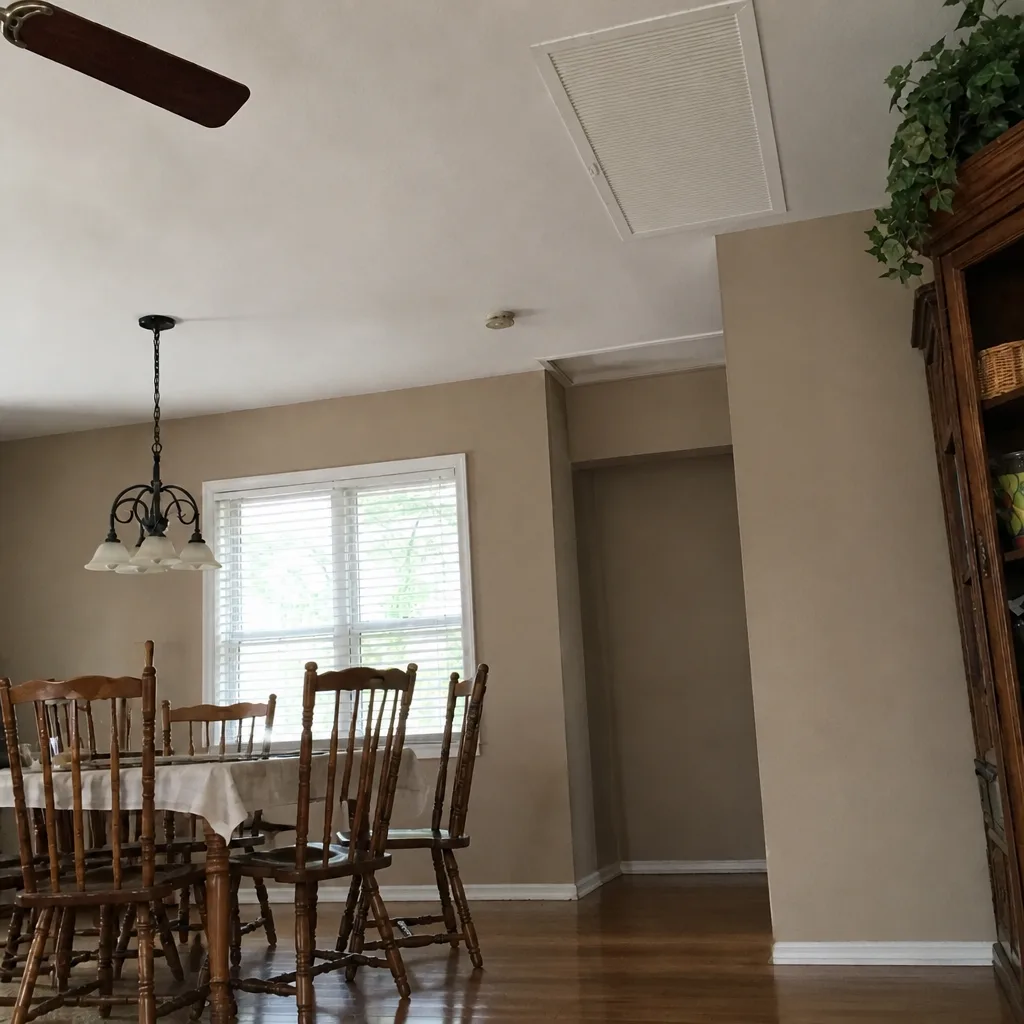
Whole-system duct and dryer vent check with before-and-after photos - you see exactly what came out of your vents
That "$99 whole-house special" is a bait ad - the real number appears once they are in your hallway, or the "clean" is a shop-vac at the register. We photograph the inside of your ducts before and after instead.
Choosing the Right Air Duct Cleaning Brand: A Buyer’s Guide for St. Louis
A recognizable brand name in duct cleaning is often a liability, not an asset. Franchise models are built to move crews through homes quickly and hit volume targets, and that pressure sits in direct conflict with what a genuinely thorough cleaning requires: time, containment, and a technician who is allowed to stop and fix what he finds. St. Louis homeowners tend to choose on the wrong criteria. They pick the biggest logo, the lowest coupon, or the company that also sells furnaces, then wonder why the vents still puff dust a month later. This guide explains how to read a duct cleaning company by its business model, its equipment, and its reviews, so you can tell a specialist from a sales operation before anyone steps into your home.
Quick Answer
The right air duct cleaning brand in St. Louis is almost always a dedicated indoor-air specialist that owns professional-grade extraction equipment, carries repair capability on the same visit, and prices per system by written estimate rather than per vent. Brand recognition tells you how much a company spends on marketing. Business model tells you what actually happens in your house. Ask what equipment they run, whether they can repair compromised ducts, and how they handle problems found mid-cleaning. The answers separate specialists from add-on services.
Styles & brands we work with
- Whole-home duct cleaning
- Dryer vent cleaning
- Camera inspection
- Sanitizing & deodorizing
Table of Contents
- Why the business model matters more than the logo
- The three business models behind every duct cleaning quote in St. Louis
- What a company’s equipment says about how seriously it takes the work
- How to read duct cleaning reviews for real signal
- What “fully insured” and NADCA-certified actually mean in practice
- Why repair capability on the same visit changes everything
- St. Louis specifics: climate, housing stock, and what they do to ductwork
- The questions to ask before you book
Why the business model matters more than the logo
In our experience, the single most reliable predictor of a good duct cleaning job is not the company name on the invoice. It’s the incentives behind the person holding the vacuum. A franchise location pays royalties and marketing fees to a parent brand, which pushes it toward high call volume per day and short average job time. An HVAC company that offers duct cleaning as an add-on earns most of its revenue from equipment replacement, which means the duct work is often a lead-generation tool rather than the main service. An independent specialist whose only services are duct-related has the opposite incentive: the quality of the duct work is the entire business.
That difference shows up in predictable ways. Volume-driven operations tend to quote per vent, quote fast, and finish faster. Specialists tend to inspect first, price per system, and set aside enough time to actually extract debris rather than skim the surface of each register.
- Franchise model: Brand recognition is high, per-job time is squeezed, and the franchisee’s profit comes partly from volume and upsells.
- HVAC add-on model: Duct cleaning is bundled with furnace and AC sales. Pricing can look attractive because the real sale is the equipment.
- Dedicated specialist model: Revenue comes from cleaning, dryer vents, and duct repair only. Quality is the product, not a loss leader.
None of this means every franchise is bad or every HVAC company is dishonest. It means the structure of the business predicts what the crew is rewarded for doing. In St. Louis, where the market is crowded and every brand claims “thorough,” the only sensible way to choose is to look past the logo and ask what the operation is built to do. Our full breakdown of air duct cleaning covers what a proper job involves step by step.
The three business models behind every duct cleaning quote in St. Louis
When you request a quote from any company in St. Louis, you’re effectively choosing among three operating models. Knowing which one you’re talking to makes the rest of the conversation much easier to evaluate.
- Dedicated indoor-air specialists. These companies clean ducts, clean dryer vents, and repair ductwork. Nothing else. Their equipment is professional-grade because it’s the only thing they own, and their pricing is usually quoted per system.
- HVAC contractors adding a duct service. Furnace and AC installation is the core business. Duct cleaning is offered as a convenience, often with a discount when bundled with equipment service. The crew may be excellent at HVAC repair but less practiced at containment and extraction.
- National franchises and marketing brands. They promise consistency across locations, run heavy advertising, and often rely on coupon pricing to bring in calls. The franchisee’s economics reward speed and volume, which is the opposite of what containment and thorough extraction require.
In St. Louis, all three models are available in every part of the metro, from Kirkwood and Webster Groves to St. Charles County and the South City neighborhoods. So the choice isn’t really about who is local. It’s about which model matches the job you actually need done. If your ducts are simply due for a cleaning, the specialist and the careful HVAC contractor can both do it. If you suspect a crushed flex run, a separated trunk joint, or a renovation that filled the system with drywall dust, the specialist model is the only one built to handle both the cleaning and the repair in one visit.
What a company’s equipment says about how seriously it takes the work
Equipment is the most honest thing a duct cleaning company tells you. A shop-vac on wheels and a consumer-grade blower mean the company isn’t equipped to remove what’s stuck to the duct walls. Professional extraction systems, like Rotobrush or Nikro, use rotating brushes and powerful vacuum units to agitate and pull debris rather than just blowing it around inside the system. Companies that carry proper containment equipment, like Abatement Technologies systems with HEPA filtration, can keep dust and debris from re-entering the living space while the work is happening.
The difference matters more than most homeowners realize. Surface cleaning of the visible registers looks convincing for about a week. Debris that was never loosened stays where it was, and if part of a system is pressurized without containment, that debris travels into the rooms you live in.
Equipment questions worth asking
- What extraction system do you use, and how does it agitate debris on the duct walls?
- Do you run HEPA containment while you’re cleaning?
- How do you protect the air handler and furnace during the job?
- What steps do you take so dust doesn’t blow back into the living room?
- Can you show before-and-after photos of my own ducts when the job is finished?
The answers separate companies quickly. A specialist will tell you exactly what equipment is on hand, why it matters, and how it’s set up in a typical home. A marketing operation tends to answer in generic terms. That kind of answer is itself useful information.
How to read duct cleaning reviews for real signal
Reviews are the easiest signal to game and the hardest to interpret. The useful ones describe specifics: what the technician did, how long the job took, how the crew protected the home, whether a problem was discovered and could be fixed on the spot. The unhelpful ones are short, enthusiastic, and interchangeable (“great job, highly recommend”) because they tell you nothing about the work per se.
Review signals worth trusting
- Mentions of containment, HEPA, or specific equipment – that suggests the reviewer received a real explanation.
- Descriptions of the technician stopping to show a photo or explain what was found.
- Reports of repair work handled on the same visit, without the homeowner having to find a second contractor.
- Balanced detail, including a small delay or unexpected finding that was handled well – that reads as honest.
Review signals that should give you pause
- Dozens of near-identical five-star reviews posted in a tight window.
- Reviews focused on the salesperson, the price, or the coupon rather than the service.
- Repeated mentions of aggressive upselling during the visit.
- No photos, no description of the job, and no mention of what was actually cleaned.
When a St. Louis homeowner asks us how to read reviews, we suggest filtering for length and specificity, then reading for what the reviewer knew. A customer who can describe containment or the difference between per-vent pricing and per-system pricing was given a real explanation, and a technician who takes the time to explain is usually a technician who does the work.
What “fully insured” and NADCA-certified actually mean in practice
“Fully insured” and “NADCA-certified” are the two most frequently claimed phrases in duct cleaning marketing, and both deserve a closer look. Insurance matters because a technician working inside a system can damage ductwork, the air handler, or the home, and you want the company carrying liability coverage to cover that if something goes wrong. Certification through NADCA, the National Air Duct Cleaners Association, means the company follows an assessment, cleaning, and restoration standard and has at least some personnel trained to that standard. The claim is meaningful only when it’s current and when it applies to the crew doing the work.
What to verify beyond the marketing claim:
- Ask for the company’s liability insurance certificate, not just a badge on the website.
- Ask how many technicians hold NADCA certification and whether the lead on your job is one of them.
- Ask whether cleaning follows the NADCA assessment-clean-restore standard, and what the assessment entails.
- Ask whether the company can fix the ductwork if it finds a problem, or whether it refers repair to someone else.
- Ask how you’ll receive proof of the work – before-and-after photos, a summary of what was found, and a written estimate that matches the invoice.
None of those questions require a specific number or guarantee to be answered. A company that treats them as routine, rather than defensive, will walk you through them without hesitation.
Why repair capability on the same visit changes everything
The most common frustration in duct cleaning goes like this: a crew opens the system, finds a crushed flex run behind a wall or a trunk joint that has separated in the attic, and then leaves without fixing it. The homeowner has paid for a cleaning, still has a compromised system, and is now looking for a repair contractor. The ducts were cleaned. The problem behind them was not.
A specialist who offers duct repair as a core service solves this differently. When a technician finds compromised ductwork, he diagnoses it, explains it, gives a written estimate for the repair, and, with the homeowner’s approval, makes the fix in the same visit. That protects the clean that was just done, protects the furnace and air handler from pulling debris through a compromised system, and saves the homeowner the cost and hassle of a second appointment with a second contractor.
St. Louis attics, basements, and crawlspaces make this especially relevant. Summer humidity, winter freeze-thaw cycles, and the age of the housing stock in neighborhoods like Tower Grove, The Hill, and Maplewood all put ductwork under steady wear. A specialist who can repair what he finds in the system is worth more than a brand name. Our St. Louis service summary explains what’s typically covered on a single visit.
St. Louis specifics: climate, housing stock, and what they do to ductwork
St. Louis sits in a climate with hot, humid summers and cold winters, and the housing stock ranges from century-old brick homes in the central corridor to newer construction in the outer suburbs. Both of those facts affect ductwork in specific ways, and a company that understands them will inspect and clean differently than one that doesn’t.
How St. Louis conditions stress ducts
- Summer humidity pushes moisture into attic and crawlspace duct runs, which shortens the life of flex duct insulation and loosens taped joints over time.
- Winter heating cycles dry out materials and can cause tape adhesive to fail, especially in older systems.
- Older central corridor homes, particularly in South City, Soulard, and Benton Park, sometimes have retrofitted ductwork that has been adapted and patched over decades.
- Renovations are common in the metro’s older neighborhoods, and drywall dust travels into HVAC systems more than many homeowners expect.
- Newer builds sometimes have flex-duct runs longer than ideal, which magnifies any small pressure problem.
Those conditions don’t justify a scare-tactic pitch. They do mean that a company cleaning ducts in St. Louis should be checking joints, seal quality, and insulation condition while it’s in the system, not simply running a brush through each register. If the inspection turns up anything, the conversation should be about fixing it, not just scheduling another cleaning. That connects to dryer vent cleaning, which is often overlooked in the same households for the same reason – nobody checks the vent until the dryer starts running long.
The questions to ask before you book
The most reliable way to separate a specialist from a marketing operation is to ask a short set of questions before you schedule. Any good company will welcome them. Any company that dodges them is telling you something.
- What equipment do you use to extract debris, and do you run HEPA containment while you work?
- Is the clean priced per system or per vent? What does the estimate cover?
- Do you inspect for damaged ducts during the job, and can you repair them on the same visit?
- Will I see before-and-after photos of my own ducts when the work is finished?
- Am I dealing with a dedicated duct specialist or an HVAC company that also cleans ducts?
- What happens if the technician finds a problem mid-job – who quotes the fix, and how?
- Is the final invoice the written estimate, or can it change once work has started?
A short, direct conversation about these points is the best interview you can do. The company that answers with specifics and welcomes a written estimate before work starts is the one worth booking. That conversation is also the reason we like to talk through what the job involves before we quote it.
Common Mistakes to Avoid
- Choosing on the coupon price. A teaser price that becomes a much larger invoice once the technician is in the home is the oldest trick in this trade. Ask for a written estimate first, and check whether it prices per system or per vent.
- Assuming the biggest name is the most thorough. Brand recognition reflects marketing spend, not time in your home. A quieter specialist who owns proper equipment often does a better job than a flashier brand running a coupon.
- Skipping the insurance and certification questions. In St. Louis, where the housing stock includes older ductwork that requires careful handling, insurance and certification are not formalities. Ask for the liability certificate and confirm which technicians are NADCA-certified.
- Hiring a company that can’t repair the ducts it finds. A cleaning without repair capability is a partial service. When a duct run is crushed or a joint has separated, you need someone who can fix it on the same visit rather than leave you hunting for a second contractor.
- Trusting a per-vent price as if it were a system price. Per-vent pricing can look small and finish large. Ask exactly what the quote includes and where it stops.
- Ignoring the dryer vent. A dryer vent that takes too long to cycle is a sign the vent needs attention, and the same house that needs duct cleaning often needs the vent cleaned too. This is a home fire safety issue, not an upsell.
- Not asking for photos of your own system. Without before-and-after photos, you have no way to know what was actually removed. Ask for pictures of the ducts before and after the job.
See the difference
 Before
 After
 Before
 After
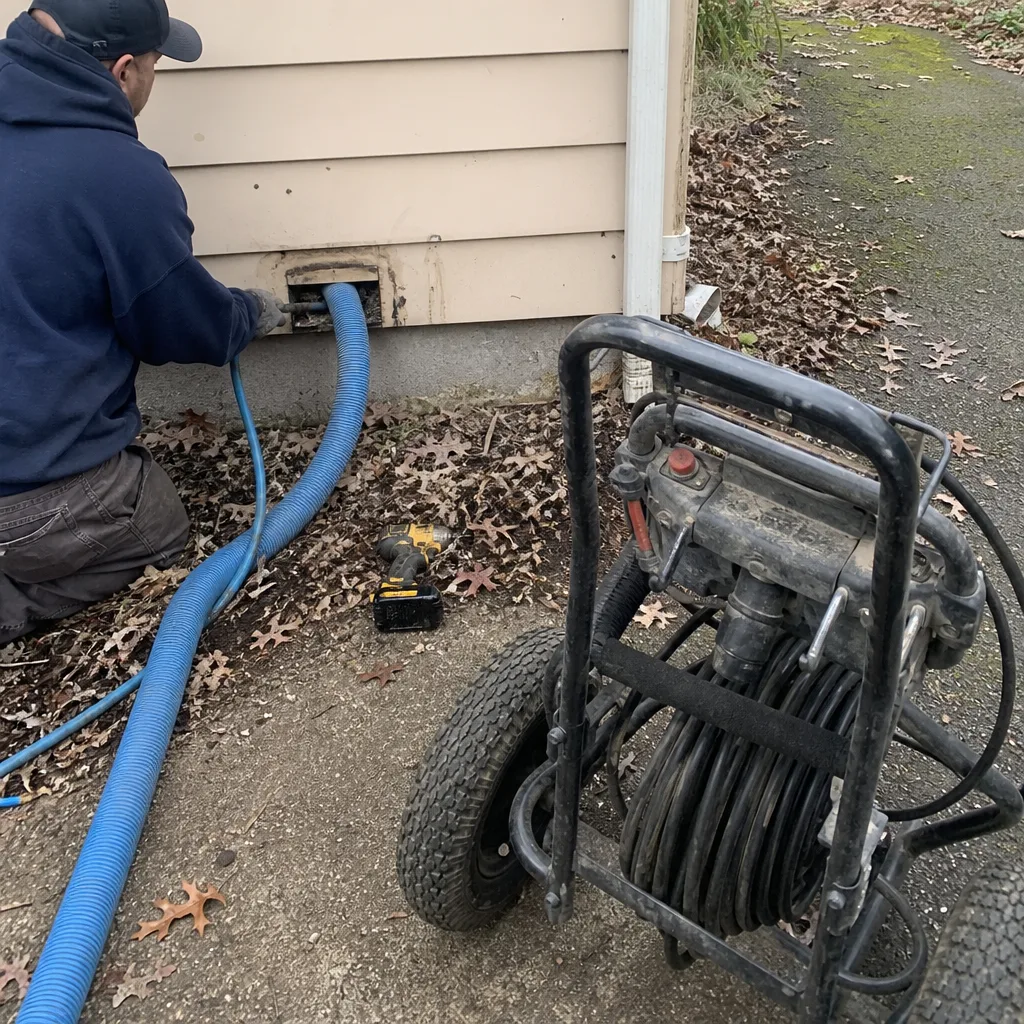 Before
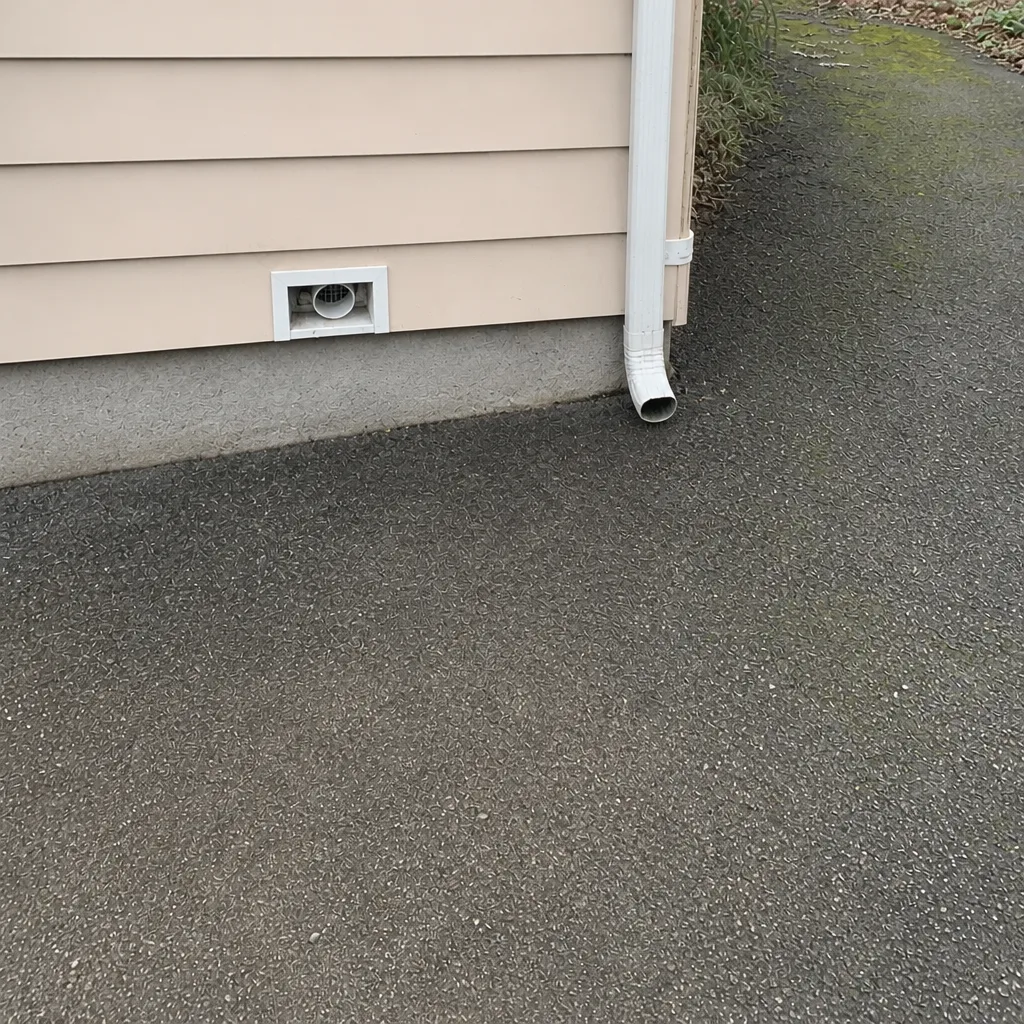 After
When to Call a Professional
The right time to call a duct cleaning specialist is when you notice signs that the system is working harder than it should. Visible dust blowing from registers shortly after cleaning, musty odors moving through the house when the system runs, a recent renovation that sent drywall dust through the HVAC, allergies that flare when the heat or AC kicks on, a dryer that takes more than one cycle to dry a normal load, or an HVAC technician who mentioned damaged ductwork during a recent service call. Any of those is a reasonable trigger for an inspection. A company that can also repair the ducts it finds is the better call, because the two problems often walk in together. Bellmont Air Duct Cleaning offers free estimates in St. Louis – call (877) 349-6189. We answer 24/7. Fast dispatch from 7am to 7pm, Sunday through Friday.
Frequently Asked Questions
Most air duct cleaning in St. Louis is quoted per system rather than per vent, and the honest answer is that the price depends on the size and condition of your system. That’s why we give a written estimate before work starts, and that written estimate sets the final invoice. Beware any quote that seems to only apply to the visible registers, because that tier rarely includes containment, extraction, or inspection. Call (877) 349-6189 for an exact quote – estimates are free.
Cheap quotes usually mean the company is pricing surface work, not a full cleaning. Containment, professional extraction equipment, inspection, and repair capability all cost money, and a quote that omits them shows you what’s not included. The finished invoice is what matters, so ask for the written estimate up front and check what it actually covers. Call (877) 349-6189 for a real number.
Ask for before-and-after photos of your own ducts, not stock images from a website. A specialist working with proper equipment will show you what was removed, explain what was found during inspection, and note any repair that came up. Without that proof, you’re trusting a receipt. Call (877) 349-6189 to book an inspection with photos included.
There’s no single schedule that fits every home. A household with pets, a recent renovation, or ongoing allergy symptoms may benefit more often than a home with a well-sealed system and no pets. Rather than selling a fixed plan, ask for an inspection and a straightforward opinion on timing. Call (877) 349-6189 for a free estimate and we’ll tell you honestly when your system next needs attention.
For jobs where problems are discovered mid-cleaning, yes. A dedicated specialist carries repair capability and professional extraction equipment, and the entire business is built around the duct work being done well. National brands can be perfectly competent, but their model rewards speed and volume, which works against a thorough clean. Ask any company what equipment it runs and whether it can repair damage on the same visit.
Yes. Our scope covers residential and commercial indoor air quality, limited to duct cleaning, dryer vent cleaning, and duct repair. We use professional-grade Rotobrush and Nikro extraction systems and Abatement Technologies containment equipment on both types of jobs. We don’t install HVAC systems, handle mold remediation, or take on general contracting work – we do one category of work and do it well. Call (877) 349-6189 to talk through the property.
The Bottom Line
The brand name on the truck tells you the least about a duct cleaning company. The business model, the equipment, and the ability to repair what’s found tell you the most. In St. Louis, where the housing stock, the humidity, and the renovation cycle all put real wear on ductwork, the specialist who inspects, cleans with proper containment, and can fix damaged ducts on the same visit is worth more than any recognizable logo. Read reviews for specifics rather than stars. Ask for a written estimate before work begins. And if the company on the other end of the call can’t tell you which extraction system it uses, or what happens when it finds a crushed flex run, you’ve learned what you needed to know.
At Bellmont Air Duct Cleaning, professional-grade equipment is the standard, not a premium add-on. We use Rotobrush and Nikro extraction systems, run Abatement Technologies containment, and treat Bellmont Air Duct Cleaning as a specialist in one category of work rather than a generalist with a vacuum. Our technicians have up to 9 years of experience. Call (877) 349-6189 for a free estimate. We answer 24/7. Fast dispatch from 7am to 7pm, Sunday through Friday.
Written by the team at Bellmont Air Duct Cleaning.