
Last updated November 15, 2026
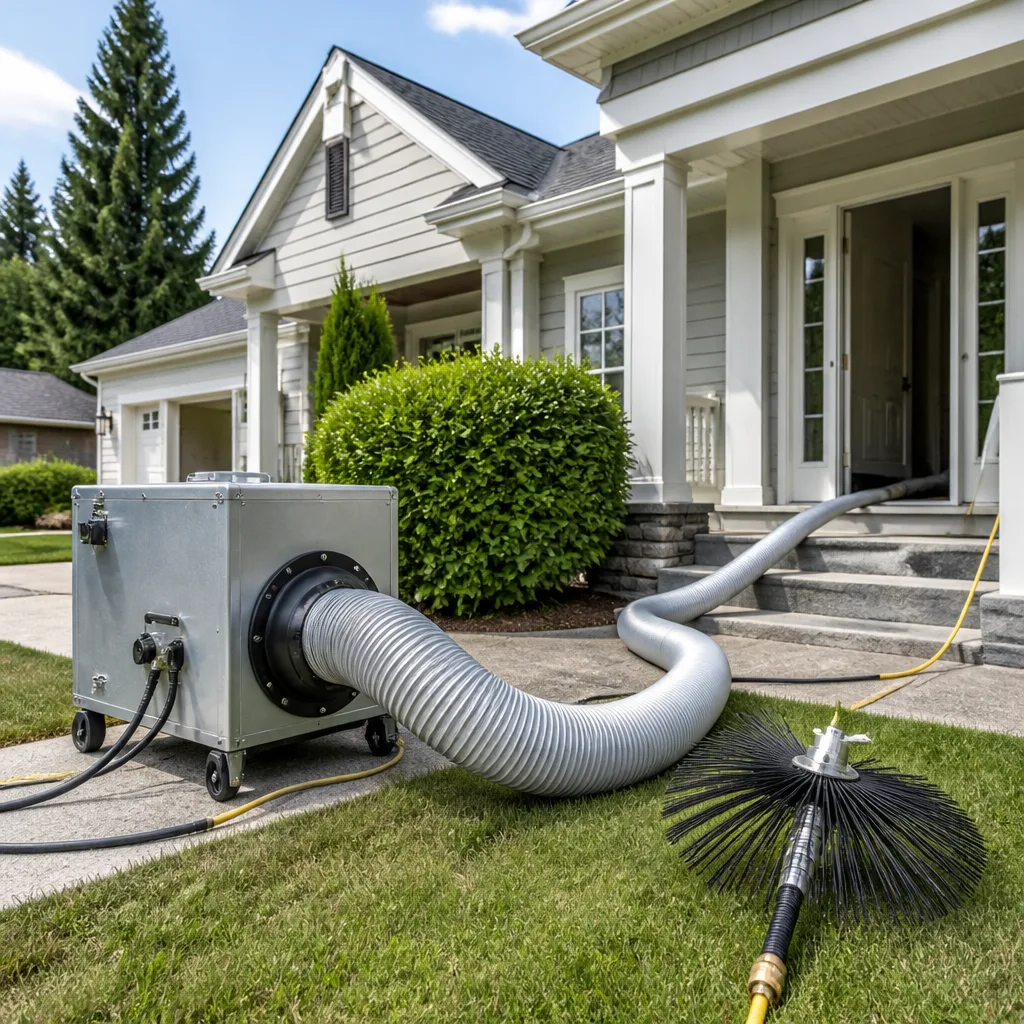 Whole-home duct cleaning
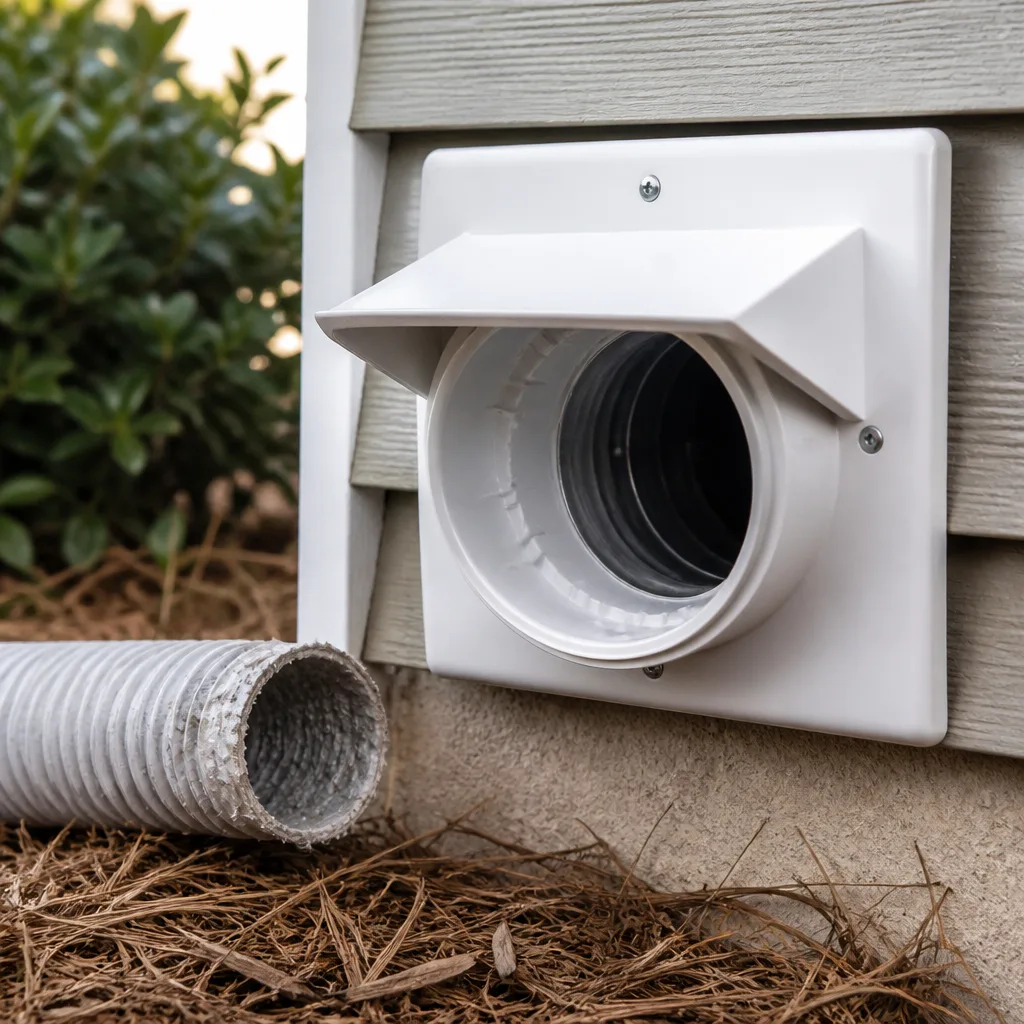 Dryer vent cleaning
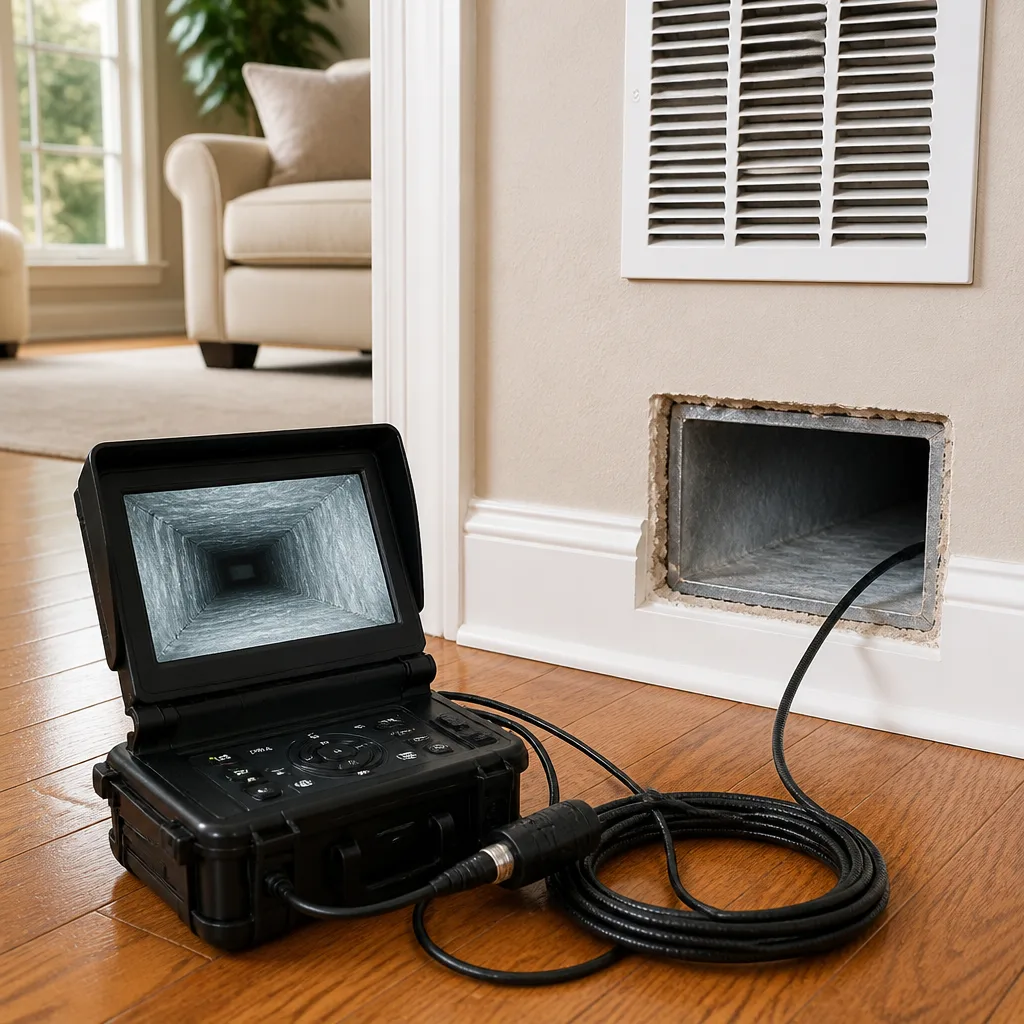 Camera inspection
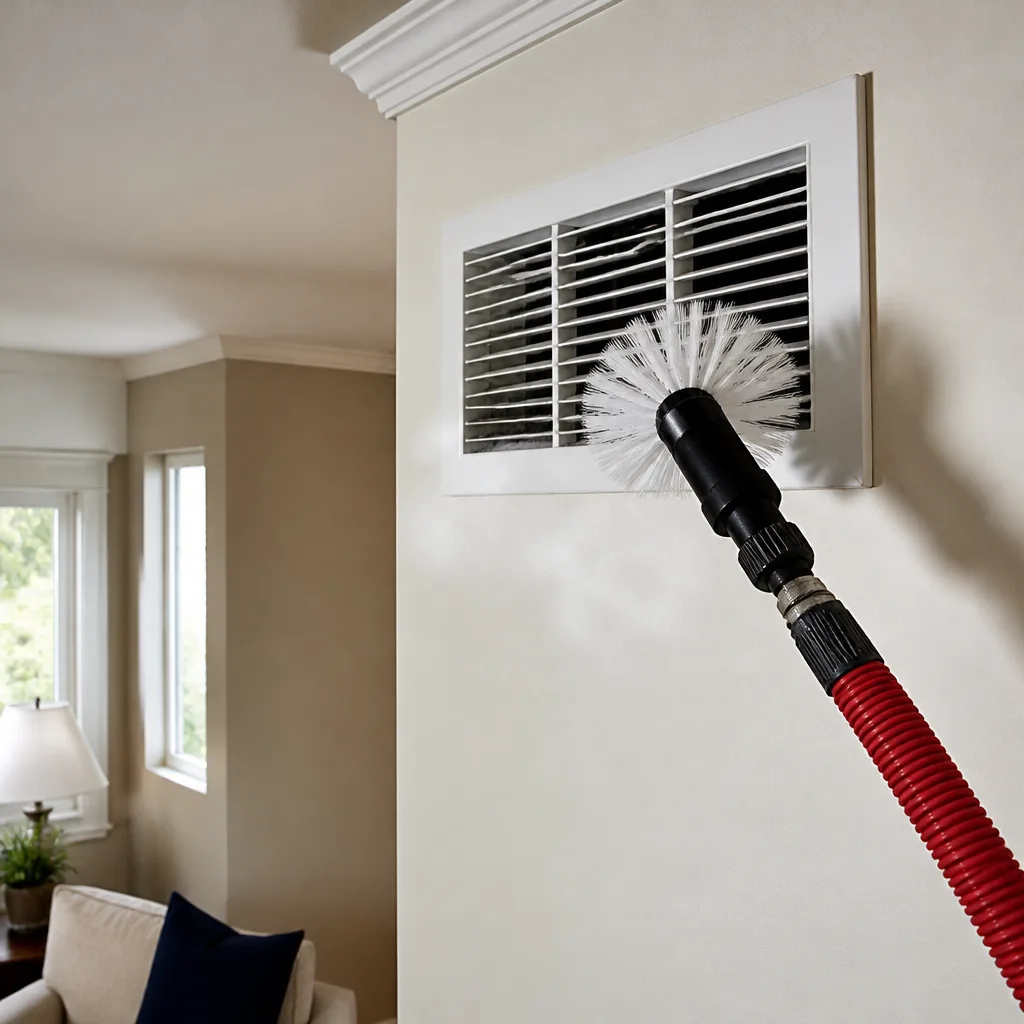 Sanitizing & deodorizing
Whole-system duct and dryer vent check with before-and-after photos - you see exactly what came out of your vents
That "$99 whole-house special" is a bait ad - the real number appears once they are in your hallway, or the "clean" is a shop-vac at the register. We photograph the inside of your ducts before and after instead.
Air Duct Cleaning Maintenance Schedule: What to Do and When
The 3-to-5-year cleaning interval you’ve seen everywhere came from an industry average, not your house. A home with two shedding dogs, a recent kitchen remodel, and fiberglass duct lining can hit that threshold in 18 months. A newer all-metal system in a house with no pets might go seven years cleanly. That’s the part most guides skip: interval advice is only useful once you adjust it to the conditions inside your own walls. In this guide, we’ll show you how to build a schedule based on your household, walk you through the month-by-month tasks that stretch the time between professional cleanings, and explain why St. Louis’s seasonal humidity swings make two specific windows each year the best ones for a real inspection.
Quick Answer
Most homes should get a professional air duct cleaning every 3 to 5 years, but that baseline shifts based on pets, allergies, duct material, and renovation history. Homes with heavy shedding pets, recent construction, or lined ductwork often need cleaning every 18 to 24 months, while newer all-metal systems in low-dust homes can stretch to 6 or 7 years. In St. Louis, the two most useful inspection windows are right after winter heating season ends and right after the peak-humidity stretch of late summer.
Styles & brands we work with
- Whole-home duct cleaning
- Dryer vent cleaning
- Camera inspection
- Sanitizing & deodorizing
Table of Contents
- The Baseline Interval and Why It’s Only a Starting Point
- Condition Multipliers: Adjusting the Schedule to Your Home
- Month-by-Month Homeowner Maintenance Tasks
- St. Louis Seasonal Triggers: When to Inspect
- What to Document Between Professional Cleanings
- Repair Events That Reset the Schedule Entirely
- Common Mistakes to Avoid
- When to Call a Professional
The Baseline Interval and Why It’s Only a Starting Point
Treat 3 to 5 years as a default that almost every home starts from, then modify it. That range isn’t arbitrary. It reflects how long a typical residential system takes to accumulate enough dust, dander, and debris that the buildup starts affecting airflow and air quality. For a lot of houses, that’s roughly accurate. For yours, it might not be.
What the average gets wrong is that it assumes a “typical” household, and there’s no such thing. The two variables that matter most are how much particulate enters the system and how well the ductwork holds onto it. A house that runs its fan constantly, keeps windows open in spring, and has carpet in every room loads the system faster than one with a sealed envelope and hard floors. A system with flex duct and a lot of turns traps debris in ways a tight, straight metal run doesn’t.
Here’s how we frame it when a homeowner in St. Louis asks us where to start:
- Start at 4 years. That’s the middle of the baseline range and a reasonable default for an average home.
- Add or subtract based on conditions. The next section gives you a multiplier framework for this.
- Schedule an inspection before your first full cleaning. Five minutes with a camera in a supply register tells you far more than any general rule.
- Reassess after the first cleaning. Once you know what your system actually looked like at the four-year mark, you can set a real interval instead of a guess.
This is the same logic our technicians apply when they assess ductwork in homes across the region, whether that’s a 1920s brick four-family near Tower Grove or a newer build out in Chesterfield. The age of the house matters less than what’s been happening inside the ducts.
Condition Multipliers: Adjusting the Schedule to Your Home
The cleanest way to build your own schedule is to start with a baseline number and then adjust it upward or downward for the specific conditions in your home. We use a multiplier framework because it forces you to account for the variables that actually drive debris accumulation, rather than guessing.
Start with a 4-year baseline. Then apply the adjustments below.
- Shedding pets: Reduce the interval by about 25-40% per significant pet. A single short-haired cat might add a year of frequency; two golden retrievers might cut your interval in half.
- Household allergies or asthma: Reduce the interval by 20-30% if anyone in the home has respiratory sensitivity. The debris threshold that triggers symptoms is lower than the threshold you’d notice visually.
- Fiberglass-lined or flex duct: Reduce by 20-25%. Lined duct has a textured interior that holds dust more aggressively, and flex duct’s ridges trap debris at every turn.
- Recent renovation (within 24 months): Reduce by 30-50% for one cleaning cycle. Drywall dust and construction particulate settle throughout the system and don’t clear on their own.
- Heavy carpet, open windows, or a home office with high occupancy: Reduce by 10-15%.
- Newer all-metal ductwork, no pets, sealed home, hard floors: Extend by 25-50%. Seven years is a legitimate interval for the cleanest setups.
Add those adjustments up and you’ll land somewhere between 18 months and 7 years, which is a much more useful range than “3 to 5 years” on its own. If your result lands under 3 years, it’s worth asking whether a repair issue (leaky joints, disconnected runs, a return pulling from a crawlspace) is the real cause. In our experience, chronic fast re-soiling is often a duct repair problem dressed up as a cleaning problem. That’s one reason we offer Bellmont Air Duct Cleaning as a full duct service rather than cleaning alone.
Month-by-Month Homeowner Maintenance Tasks
You don’t need a maintenance contract to stretch the time between professional cleanings. What you need is a short list of habits that keep debris out of the system in the first place. Here’s the routine we suggest to homeowners who want their cleaning to last.
Every month:
- Check the air filter. Hold it up to a light; if you can’t see through it, change it. In St. Louis’s humid summer months, filters load faster because the system runs longer.
- Wipe down supply and return registers with a damp cloth. This is where settled dust shows up first, and cleaning them keeps that dust from being pulled back into the return.
- Vacuum high-traffic rooms with a HEPA-filtered vacuum. Regular floor cleaning removes debris before it becomes airborne and enters the system.
Every three months:
- Remove a supply register and look into the duct with a flashlight. You’re checking for visible dust buildup on the duct walls, debris, or anything that shouldn’t be there.
- Check the return air grille. If it has a thick coat of dust, that’s the clearest sign that the system is pulling more than it’s filtering.
- Confirm all registers are open and unobstructed. Furniture and rugs over registers force the system to work harder and distribute dust differently.
Twice a year (spring and fall):
- Walk the accessible duct runs in the basement or crawlspace. Look for disconnected joints, crushed flex duct, or visible gaps. These are escape routes for air you’re paying to condition, and entry points for debris.
- Inspect the outdoor unit and the area around the air handler. Pest intrusion at the exterior connection point is a common cause of debris in the return side.
These tasks won’t replace a professional cleaning, but they’ll push your interval toward the longer end of your range rather than the shorter.
St. Louis Seasonal Triggers: When to Inspect
St. Louis has a specific advantage for duct maintenance: two clear seasonal windows that reveal the state of your system better than any other time of year. Knowing when to look gives you better information than looking at a random date.
Post-winter (late March through April). After months of the heating system running nearly nonstop, the ductwork has just finished a full load cycle. Winter is when the furnace pushes the most air through the system, and it’s when any dust, dander, or debris that’s been accumulating gets moved around. An inspection in early spring shows the system’s true state. It’s also the point where a dry winter’s worth of debris tends to get pushed back into living spaces as the system transitions to cooling. If you’re going to clean once, this is the strongest argument for it.
Post-peak-humidity summer (late August through September). St. Louis summers are humid enough that condensation inside ductwork and at the air handler is a real consideration. That moisture doesn’t just sit there. It changes how dust clings to duct surfaces and creates conditions where organic material can take hold. A late-summer inspection catches what a spring cleaning might have missed, and it’s the best time to check whether moisture is finding its way into the system.
The two windows together give you a full picture. If you clean in spring, inspect in late summer. If you clean in late summer, inspect in spring. Either schedule gets you an annual read on the system without committing to annual cleanings.
For the full cleaning itself, this seasonal logic is one reason we suggest booking air duct cleaning in St. Louis either right after the heating season winds down or after the humidity breaks in early fall, when the inspection window and the cleaning window line up.
What to Document Between Professional Cleanings
The single biggest reason duct cleaning resets to zero on every visit is that nobody documents anything between visits. A technician who shows up with no history has to start from scratch, which means they can’t tell whether your system is a routine case or an anomaly. Here’s what to keep track of, and it takes less effort than you’d think.
- Filter change dates and filter type. Note the MERV rating and the date. A system that eats filters in six weeks has a different story than one that gets a year out of them. That’s diagnostic information a technician can use.
- Photos of the registers and returns. One photo per season of each supply and return. Photos taken from a consistent spot let a technician compare buildup over time rather than guessing.
- Dates of any HVAC work, repairs, or renovations. New HVAC install, ductwork changes, kitchen remodels, and rodent intrusion events all reset the debris clock. A timeline of those events tells a technician how to interpret what they find.
- Allergy or respiratory changes in the household. If someone in the home started showing symptoms after a specific date, that’s a calibration point for triggering the next cleaning.
- Notes on smells and sounds. A musty smell at a specific register, a whistling sound at a specific return, or a vibration in a run is the kind of detail that tells a technician where to look first.
A simple folder or note on your phone is enough. When a technician from Bellmont arrives and you can show them four seasons of register photos and a filter log, the inspection becomes a real diagnostic rather than a starting point. That’s how you get a cleaning schedule tuned to your home instead of the national average.
Repair Events That Reset the Schedule Entirely
Every condition-based schedule has an escape hatch, and this is it: some events wipe out whatever interval you’ve been working from and force a fresh start. These are the moments when a cleaning isn’t optional, no matter where you were in the cycle.
- New HVAC installation. A new furnace or air handler changes airflow through the system. If the existing ductwork wasn’t cleaned when the equipment went in, the new blower will move debris through the ducts and into living spaces. A cleaning after any HVAC replacement is standard practice.
- Duct repair or modification. Any time ductwork is cut, patched, reconnected, or rerouted, debris enters the system through the open joints. A cleaning should follow the repair, not precede it.
- Rodent or pest intrusion. Rodents inside a duct system leave droppings, insulation damage, and debris that a standard cleaning doesn’t address the same way. If you suspect intrusion, don’t wait for your scheduled date. Get an inspection, and if a repair is needed, handle it before the cleaning. This is where having air duct repair as part of the same visit saves you from having to find a second contractor.
- Water damage or a moisture event. A roof leak, a burst pipe, or a humid crawlspace that’s been allowed to sit all create conditions inside ductwork that need to be looked at. Bellmont doesn’t handle mold remediation, but we can inspect the ducts and tell you what we find.
- Major renovation (within weeks, not just months). Drywall dust, sawdust, and construction particulate find their way into every open return during a remodel. A cleaning should follow any significant renovation that opens walls or runs near ductwork, regardless of when the last cleaning happened.
- Moving into a new home. You have no history with the system. A cleaning and inspection at move-in establishes the baseline you’ll build your schedule on.
Any of these six events is a stronger trigger than the calendar. The rule of thumb: if anything changed about the system or the envelope around it, get an inspection before you decide whether to clean.
See the difference
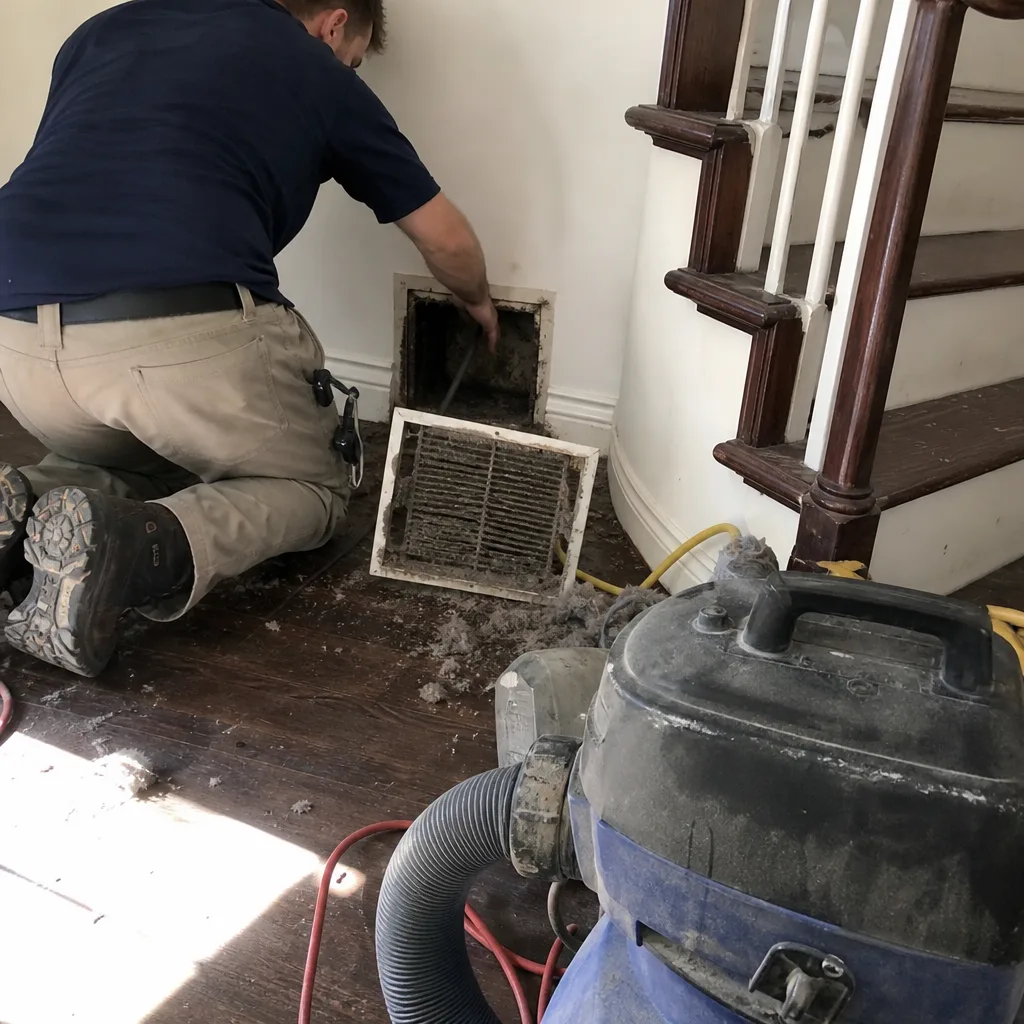 Before
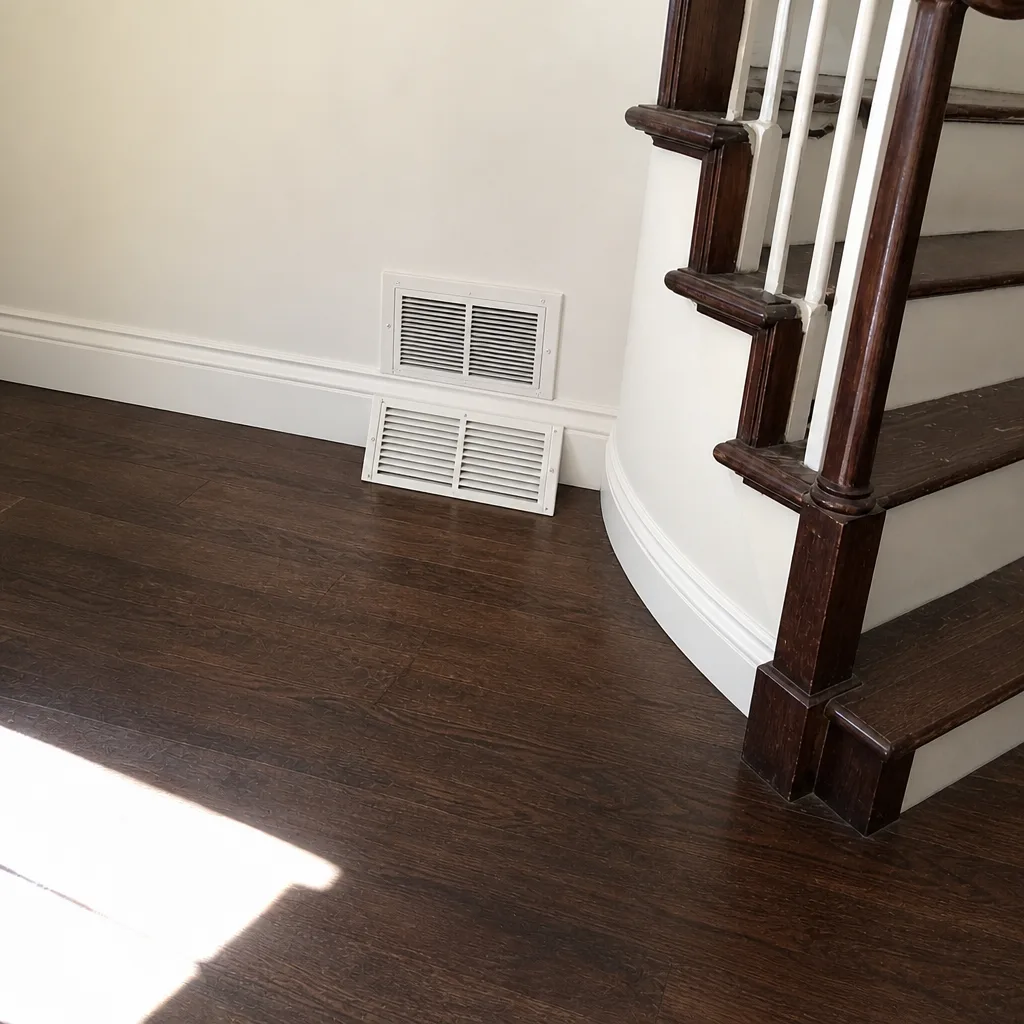 After
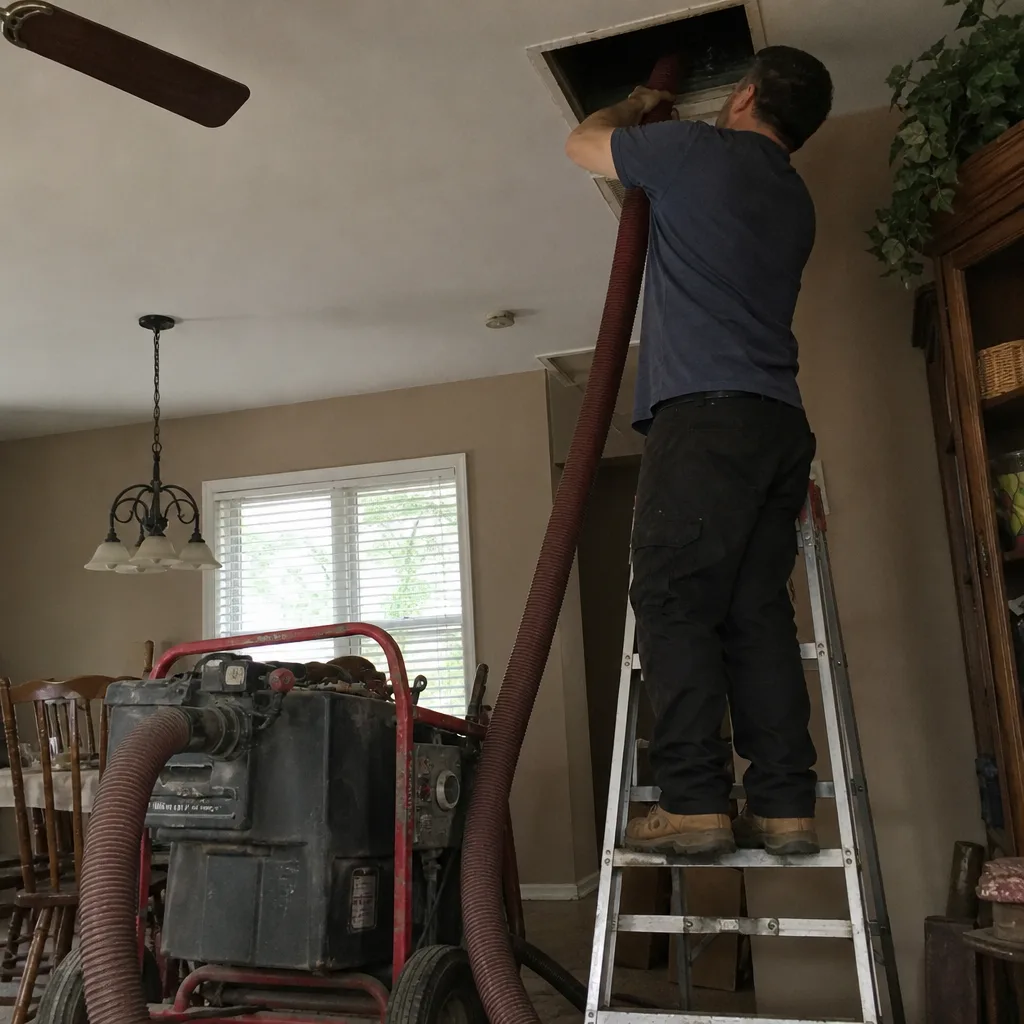 Before
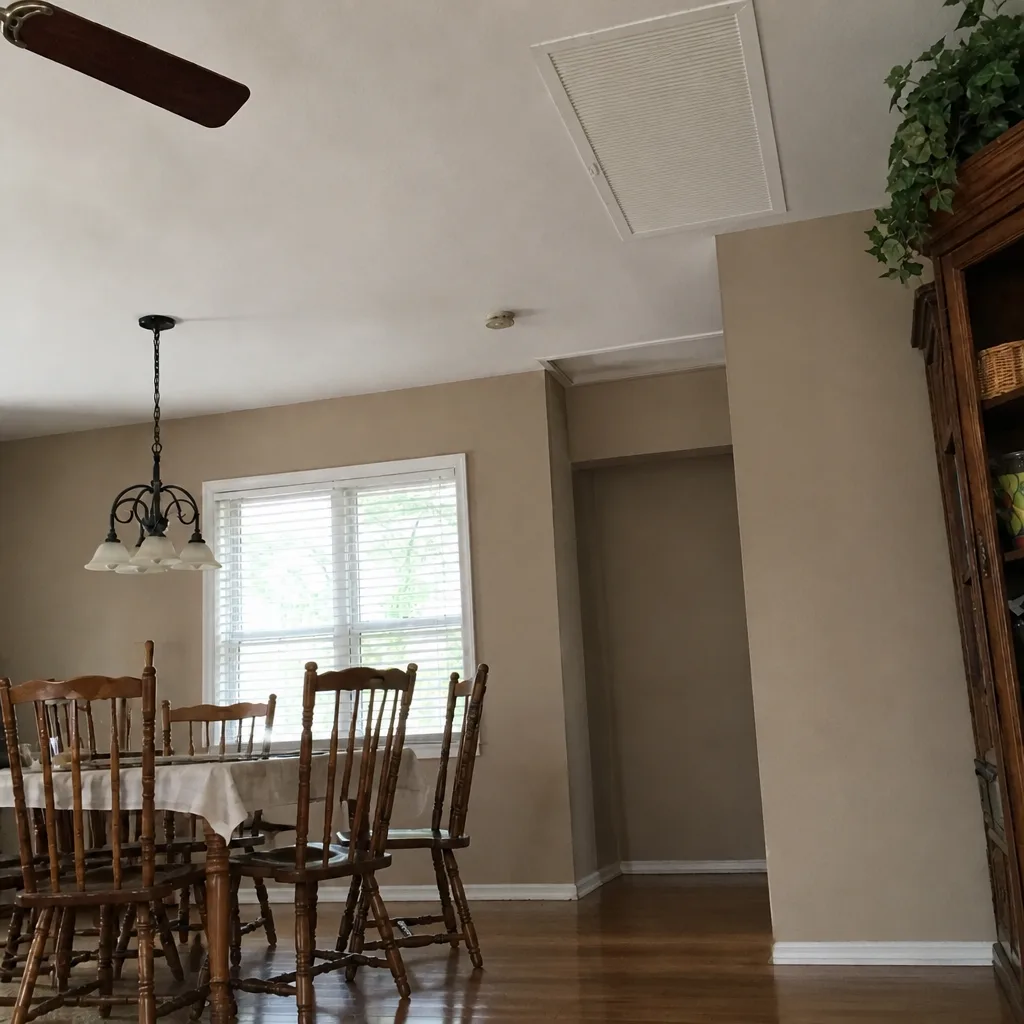 After
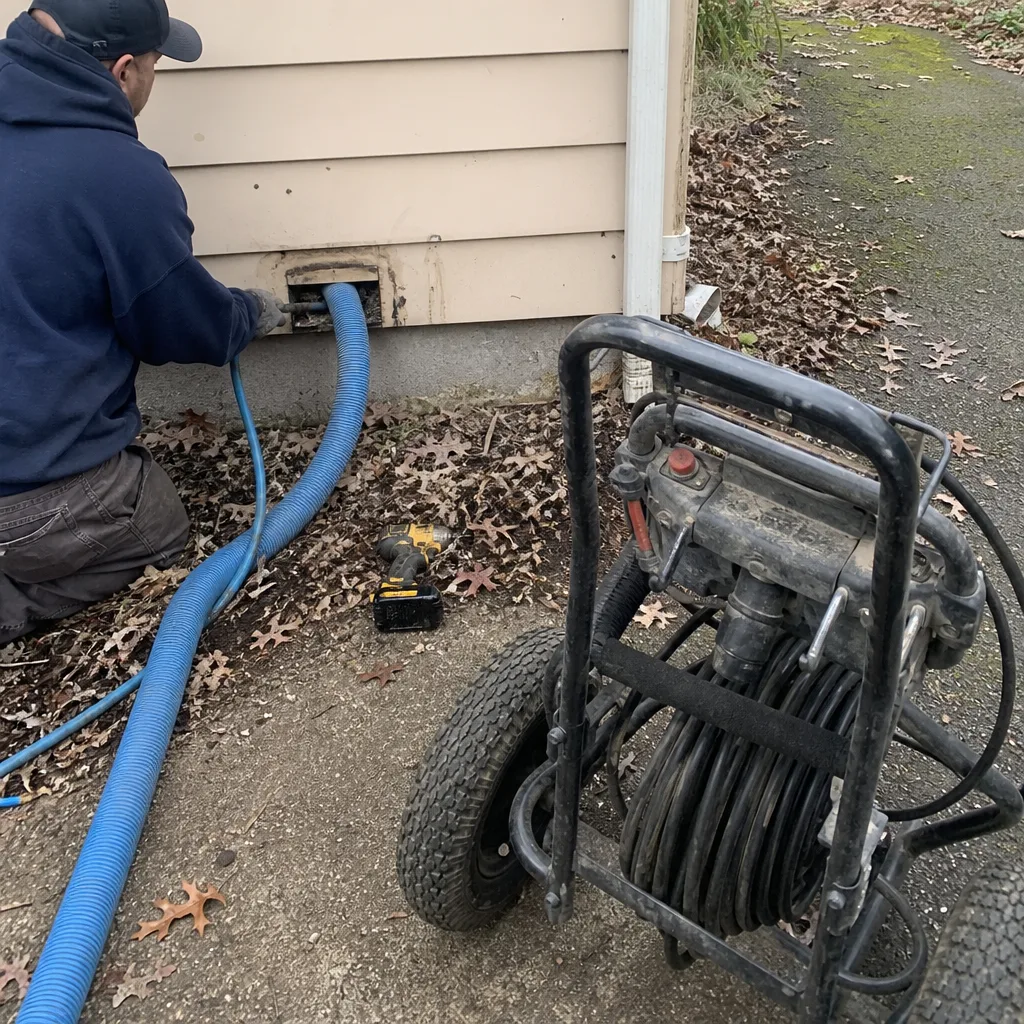 Before
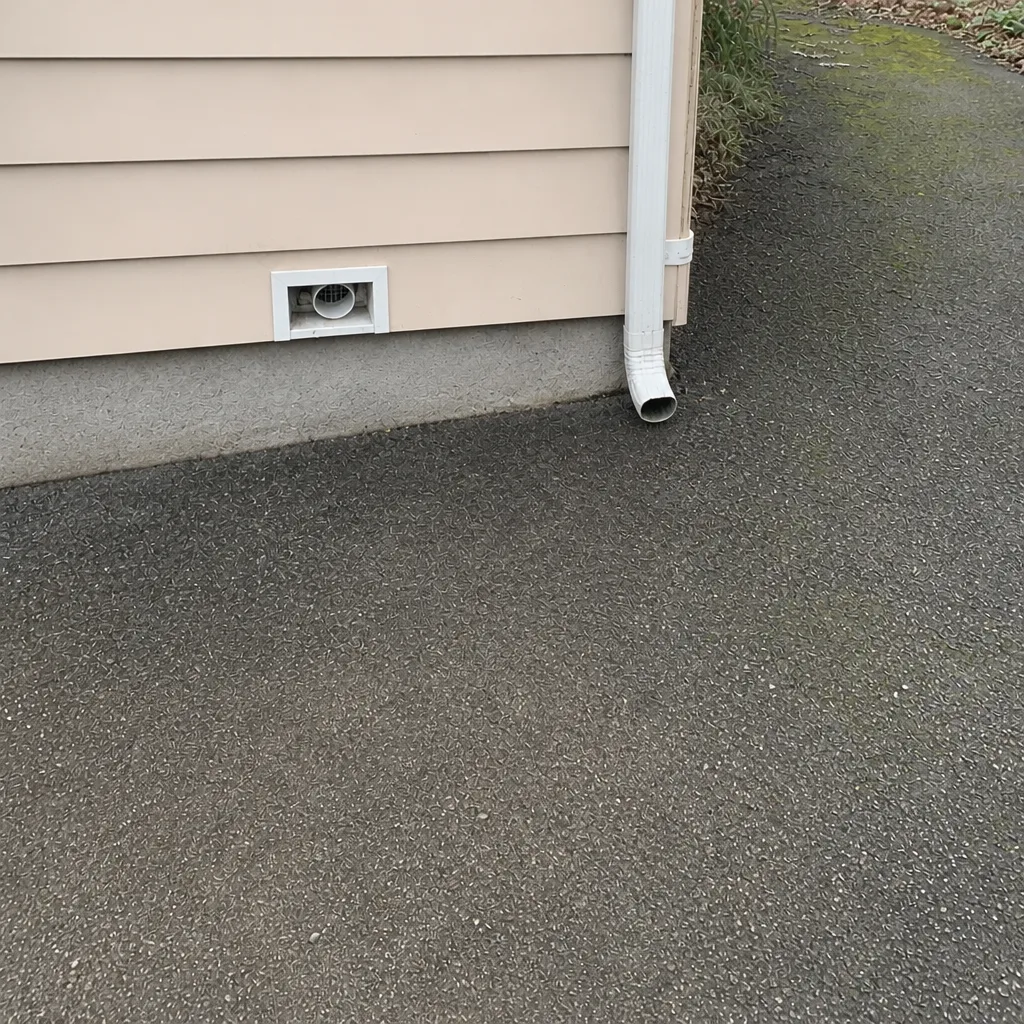 After
Common Mistakes to Avoid
- Treating the 3-to-5-year rule as gospel. It’s a starting point, not a prescription. A home with pets and fiberglass-lined duct may need cleaning every 18 months, and stretching it out based on that national average means breathing debris for years past the point where a specialist would have cleaned.
- Cleaning without a repair inspection first. Cleaning a duct system that has disconnected joints or crushed flex duct is polishing a leak. The debris comes back, and you’ve paid for a cleaning that didn’t solve the underlying problem.
- Skipping the post-renovation cleaning. A lot of homeowners wait until the next scheduled cleaning after a kitchen or bathroom remodel. By then, construction particulate has been recirculating for a year or more.
- Ignoring the return side. Most of the attention goes to supply registers in living spaces, but the return side is where debris collects first. A return grille that’s visibly dusty is the signal that the whole system needs a look.
- Assuming a filter change replaces a cleaning. Filters protect the equipment; they don’t clean duct walls. A fresh filter in a dirty duct system is doing its best work against a losing situation.
- Hiring a generalist with a shop vacuum. Consumer-grade vacuums don’t have the suction or the HEPA containment to handle a real duct system. Professional-grade extraction is the difference between a surface pass and an actual clean.
- Not documenting anything between visits. A technician who shows up cold can’t tell whether your system is a routine case or something unusual. Notes, photos, and a filter log give them real information.
When to Call a Professional
Not every situation needs a specialist on the schedule. But there are clear moments when you should stop reading and pick up the phone: you’ve noticed visible dust buildup on the duct walls at a supply register, someone in the home has developed new allergy symptoms, you’ve finished a renovation, there’s a musty smell at a specific register, the system re-soils faster than it used to, or your condition-based calculation lands at an interval shorter than two years. Any of those is a signal that the ducts need a real inspection. Bellmont Air Duct Cleaning offers free estimates in St. Louis – call (877) 349-6189. We answer 24/7. Fast dispatch from 7am to 7pm, Sunday through Friday. Our technicians have up to 9 years of experience, and we work with professional-grade Rotobrush and Nikro extraction systems rather than consumer-grade blowers.
Frequently Asked Questions
The default answer is every 3 to 5 years, but that baseline shifts based on your household. In St. Louis, homes with shedding pets or fiberglass-lined ductwork often need cleaning every 18 to 24 months, and homes with newer all-metal ductwork and no pets can go 6 or 7 years between cleanings. Build the interval from your conditions rather than from the national average. For an exact timeline in your home, call us for a free estimate.
Yes, cleaning is standard practice after any renovation that opens walls or runs near ductwork. Drywall dust, sawdust, and construction particulate settle throughout the system during a remodel, and they don’t clear on their own. The cleaning should happen after the work is finished and the dust has settled, not before. Call (877) 349-6189 to get it scheduled.
You can handle the light maintenance that keeps debris down between professional cleanings, like filter changes, register wipe-downs, and quarterly flashlight inspections. You can’t do the deep extraction that professional-grade equipment provides, and you shouldn’t try. Rotobrush and Nikro systems driven by IAQ contractors pull material out of duct walls that a consumer vacuum can’t reach, and attempting it with the wrong equipment can push debris deeper into the system. For a real cleaning, call a professional.
A typical residential duct cleaning takes a few hours, depending on system size and the condition of the ductwork. Homes with heavy buildup, multiple returns, or ductwork that needs repair take longer. We’ll give you a realistic window when we write up the estimate so you can plan around it. Call (877) 349-6189 for a free estimate and a clear timeline.
Bellmont’s technicians can often diagnose and repair compromised ductwork on the same visit, which means a cleaning doesn’t turn into a two-contractor project. Disconnected joints, crushed flex duct, and gaps at the air handler are common findings, and handling them during the cleaning keeps the system from losing efficiency between visits. For full coverage, we handle dryer vent cleaning as a separate service when the dryer’s cycle time has started to stretch. Call (877) 349-6189 to discuss what your ducts need.
For homeowners with respiratory sensitivity, yes. The threshold at which duct debris starts triggering symptoms is lower than the threshold you’d notice visually, which is why we recommend shorter intervals for households with allergy or asthma concerns. St. Louis’s humid summers add moisture to the equation, and cleanup after the peak-humidity window is especially useful. If someone in the home has new symptoms, get an inspection. Call (877) 349-6189 – estimates are free.
The Bottom Line
The 3-to-5-year interval is a reasonable starting point, but a schedule built on your actual household works better. Start at four years, apply the condition multipliers for pets, allergies, duct material, and renovation history, then set your real interval after the first inspection. Track filters, register photos, and repair events so a technician can establish your baseline instead of guessing. Schedule your inspections in the two windows that matter in St. Louis: late March through April after the heating season, and late August through September after peak humidity. And remember: any repair event, new HVAC install, or pest intrusion resets the clock entirely. Bellmont Air Duct Cleaning handles cleaning, dryer vent service, and duct repair under one roof, and we’re always happy to look at a system in St. Louis and tell you what it needs. Call (877) 349-6189 for a free estimate. We answer 24/7. Fast dispatch from 7am to 7pm, Sunday through Friday.
Written by the team at Bellmont Air Duct Cleaning.