
Last updated November 15, 2026
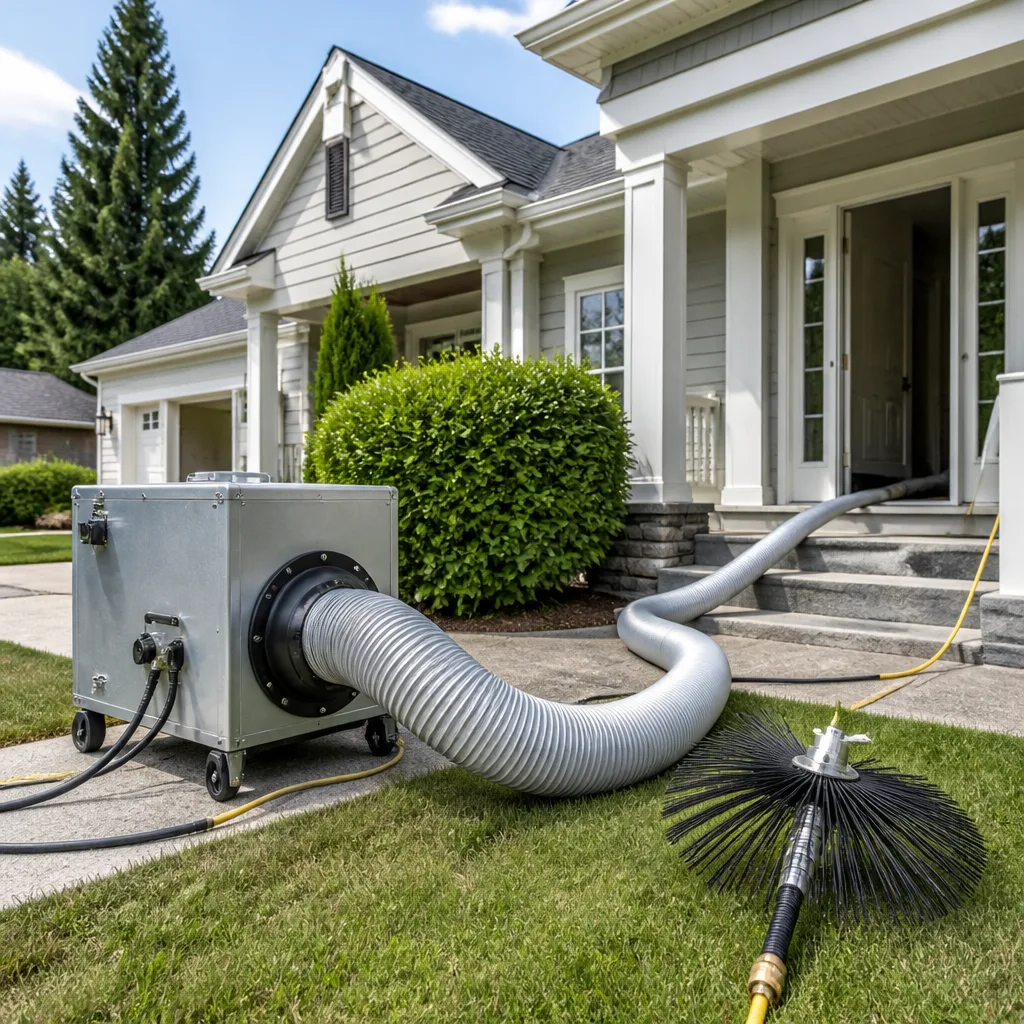 Whole-home duct cleaning
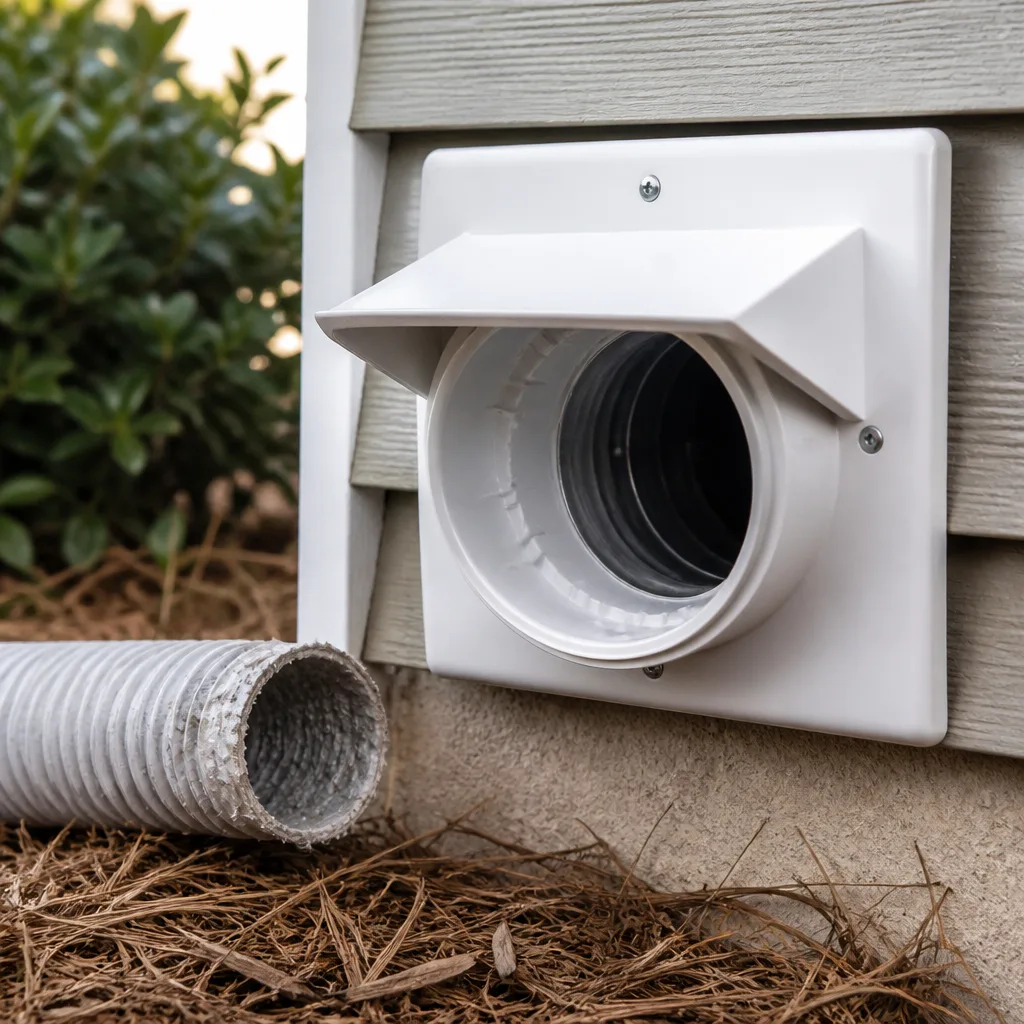 Dryer vent cleaning
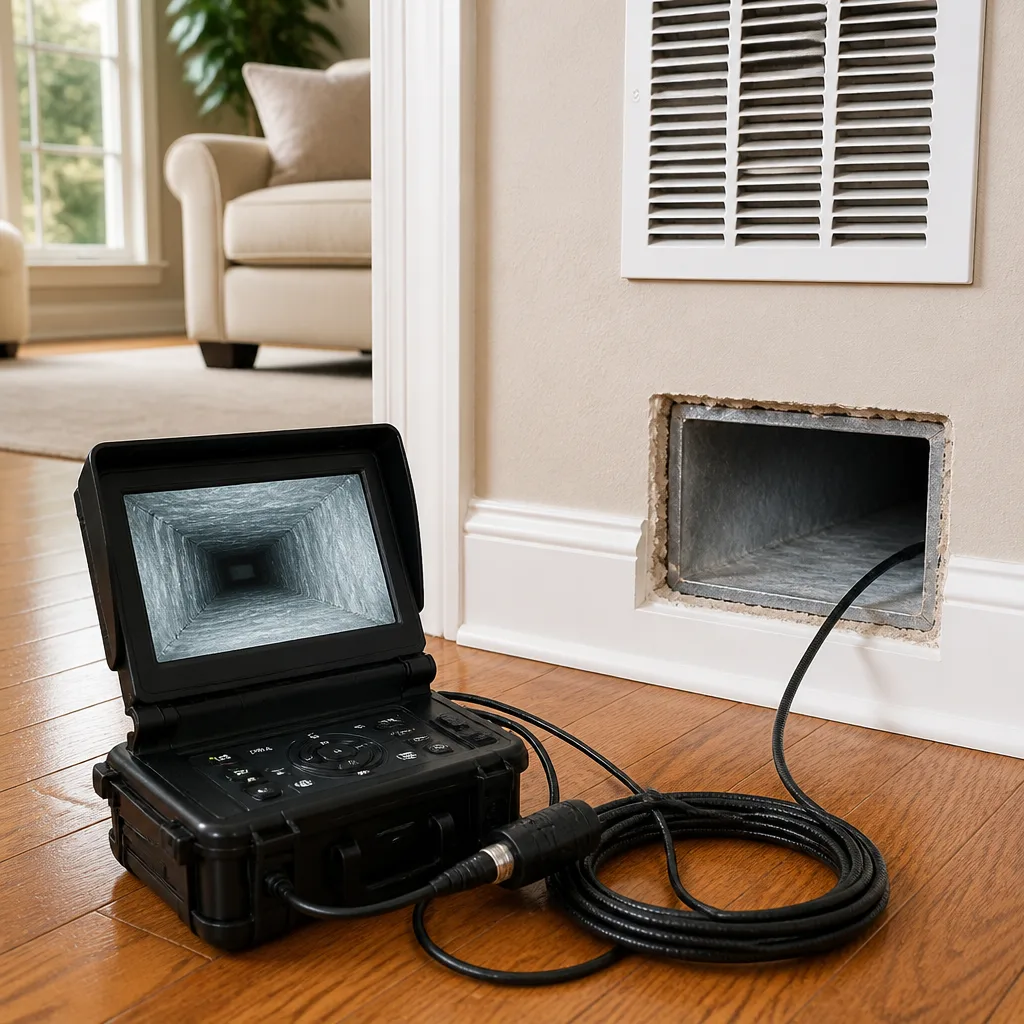 Camera inspection
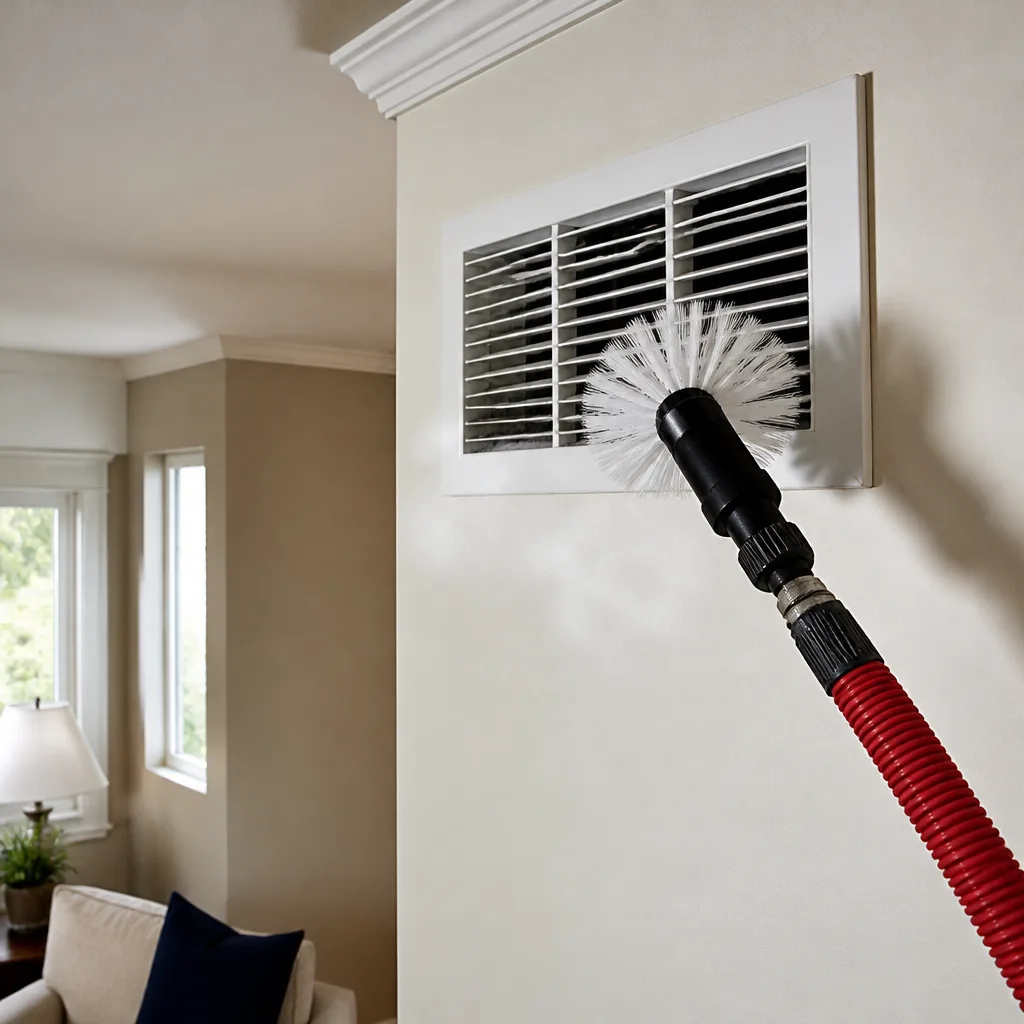 Sanitizing & deodorizing
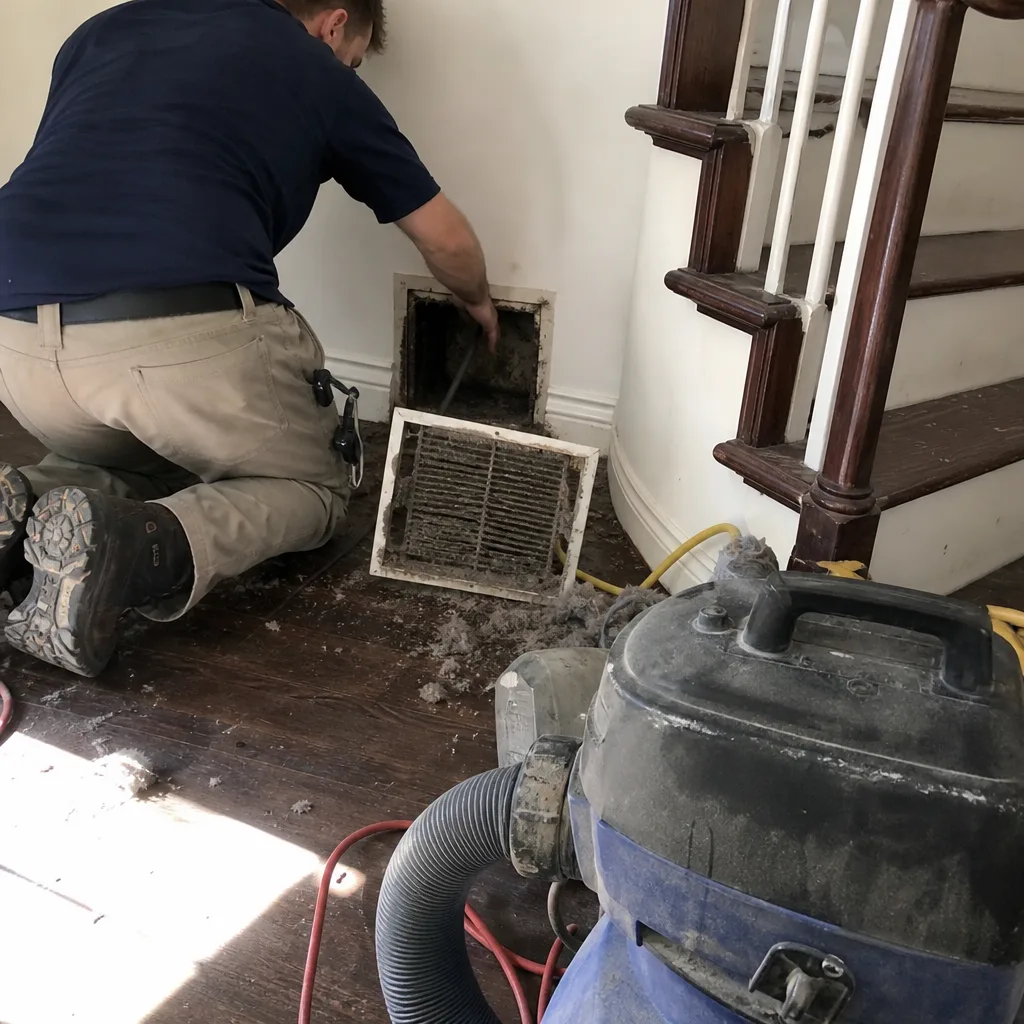
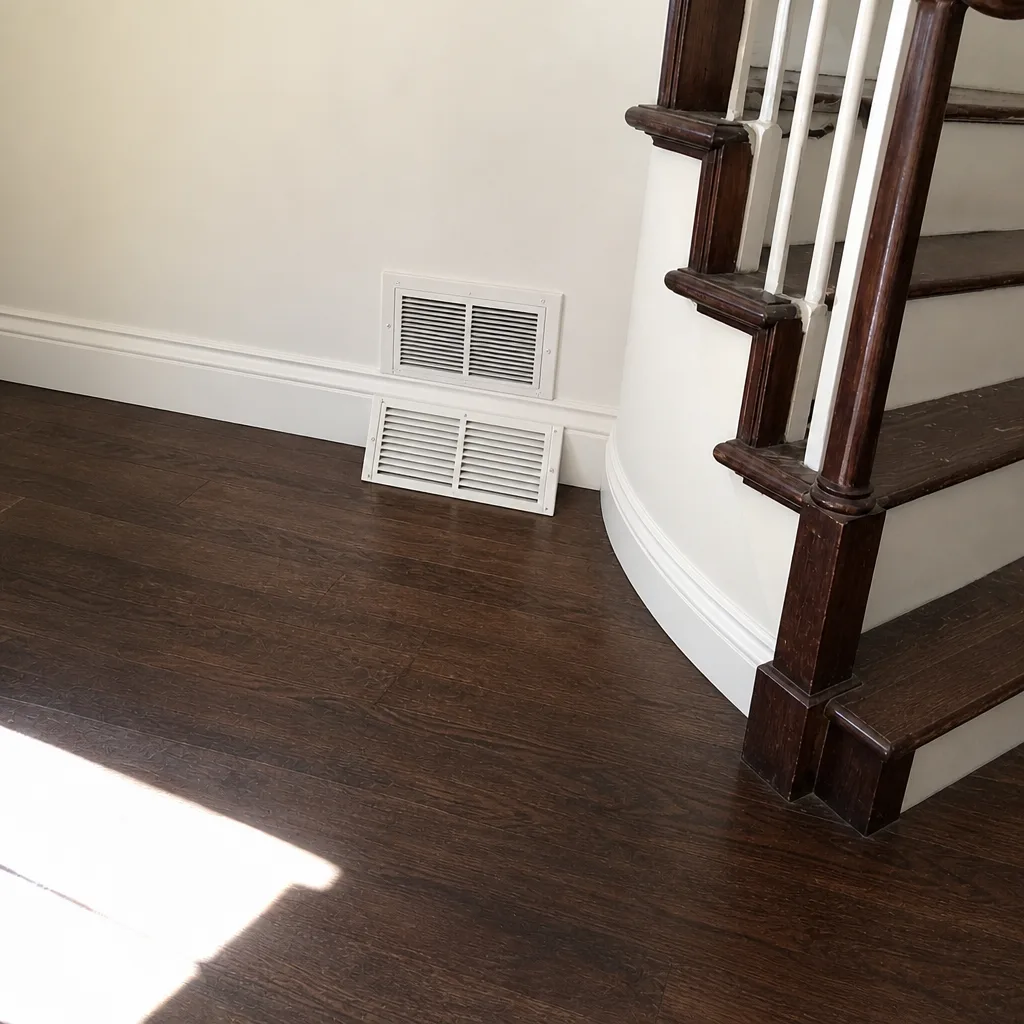
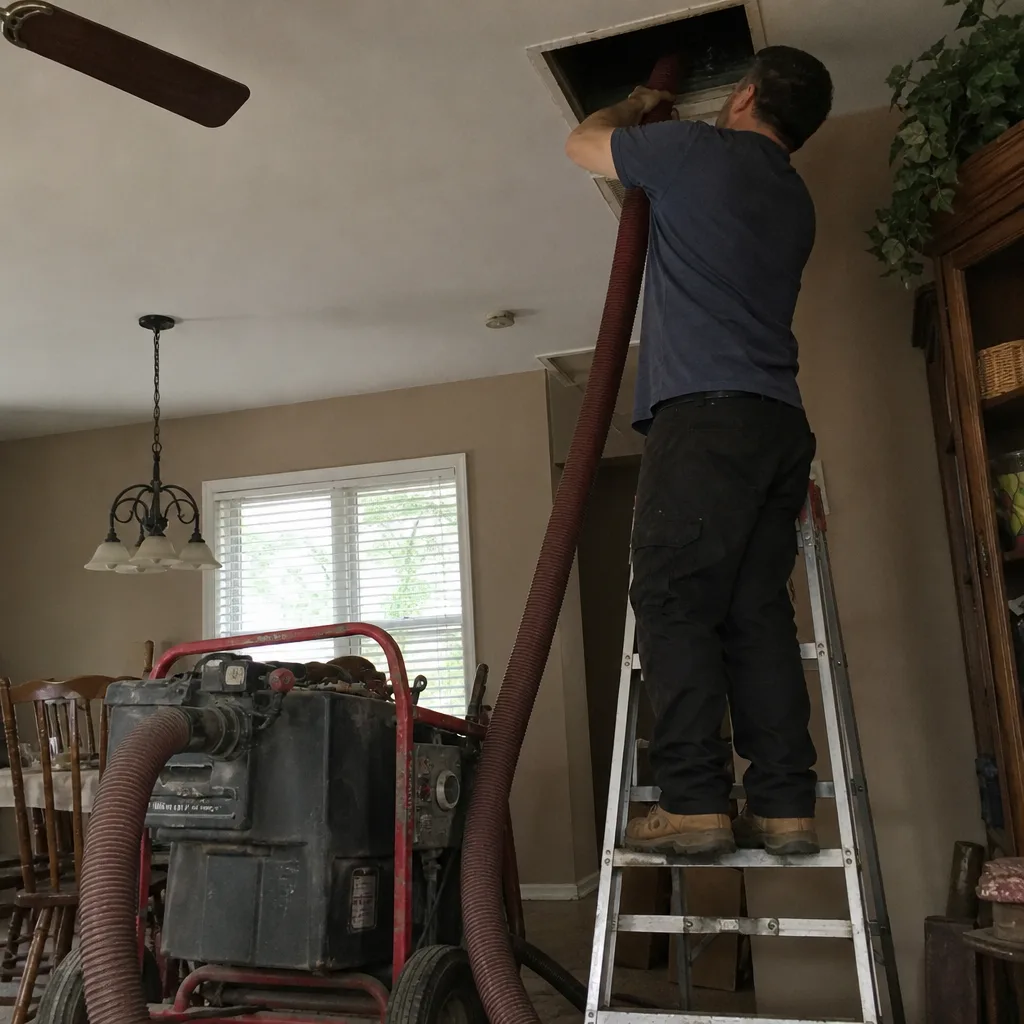
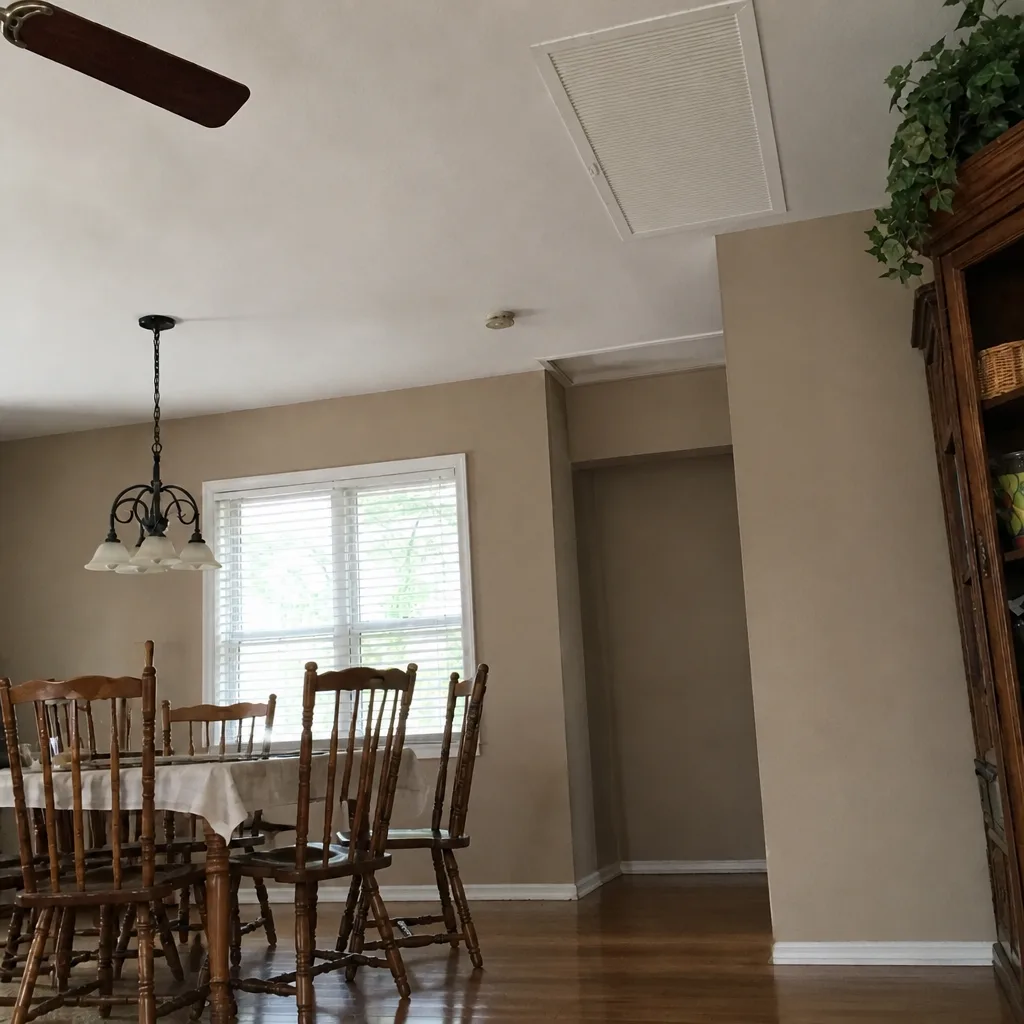
Whole-system duct and dryer vent check with before-and-after photos - you see exactly what came out of your vents
That "$99 whole-house special" is a bait ad - the real number appears once they are in your hallway, or the "clean" is a shop-vac at the register. We photograph the inside of your ducts before and after instead.
Air Duct Cleaning Cost Breakdown: The St. Louis Homeowner’s Reference for 2026
The “national average” for duct cleaning gets quoted constantly, and it’s nearly useless for a homeowner here. That number blends legitimate NADCA-compliant jobs done with real extraction equipment with bait-and-switch operations that quote low and inflate the bill on-site, after the tech is already standing in your hallway. A $99 ad and a $900 quote often aren’t pricing the same service at all. This guide pulls the St. Louis picture apart line by line: what drives legitimate variation, what each charge actually pays for, and how to read an estimate instead of just comparing totals.
Quick Answer
For a typical single-family home in St. Louis, a thorough, professional-grade air duct cleaning generally runs from about $300 to $700, with larger or heavily contaminated systems and jobs that include duct repair reaching $800 to $1,500 or more. The final number depends on system size, how accessible the ductwork is, the level of contamination, and whether repair work is bundled in. A written, line-item estimate sets your actual price before any work begins.
Styles & brands we work with
- Whole-home duct cleaning
- Dryer vent cleaning
- Camera inspection
- Sanitizing & deodorizing
Table of Contents
- What Actually Drives the Cost of Duct Cleaning
- The On-Site Upsell Pattern and How to Spot It
- What Professional Equipment Really Pays For
- Line Items to Expect on a Transparent Estimate
- What a Fair 2026 Price Range Looks Like in St. Louis
- When Duct Repair Changes the Total
- How a Typical Duct Cleaning Visit Goes
- Cost by Home Type and St. Louis Neighborhood
What Actually Drives the Cost of Duct Cleaning
Four factors move the price of a legitimate duct cleaning job, and understanding them is the fastest way to tell whether a quote is built on real work or guesswork.
System size is the first. The number of supply and return runs, the total length of ductwork, and the number of registers all determine how long a thorough job takes. A 1,200-square-foot bungalow with eight registers is a different animal from a 3,000-square-foot home with two zones and twenty-plus vents.
Access complexity is the second and the one homeowners underestimate. Cleaning requires reaching into every run. Ductwork that’s been finished over, tucked behind cabinetry, or fitted with a single access panel for the whole system may need additional cut-in access ports before any cleaning can happen properly.
Contamination level is the third. A home cleaned a few years ago with a maintained HVAC system is a lighter job than one that’s never been touched, or one coming out of a renovation where drywall dust and debris filled the returns. Heavier contamination means more passes, more filtration, more time.
Whether repair is included is the fourth. Cleaning uncovers what years of air movement have done to your ductwork: disconnected joints, crushed runs, torn flex, gaps that leak conditioned air into a crawlspace. In our experience, the cheapest quote never includes the ability to fix any of it.
In St. Louis, all four of these land in a specific setting. The city’s older housing stock – much of it dating well before modern HVAC – means ductwork that’s been retrofitted, added onto, or pieced together over decades. That history is exactly why access and repair matter more here than in a new subdivision where ductwork was designed and installed cleanly in one go.
The On-Site Upsell Pattern and How to Spot It
Here’s how low-entry-price companies systematically expand scope once they’re inside your home, and how to tell a fair additional charge from a manufactured one.
The pattern usually starts with a teaser price that can’t cover a real job – often framed as “per vent” or a flat entry fee. Once the technician is on-site, the scope begins to grow: the system is “worse than expected,” there’s “mold” that requires a separate treatment, or the job suddenly can’t proceed without an add-on service. The customer, already invested in the visit, tends to agree.
A legitimate additional charge and a manufactured one look different if you know what to watch for:
- Fair: the scope changes because of something you can see and understand – a discovered disconnected joint, a required additional access port, a genuine repair need. It’s explained, priced in writing, and you can decline the add-on and still get your cleaning.
- Manufactured: vague urgency, unverifiable claims like “mold everywhere” without photos, a scope expansion that arrives only after the technician is in the home, and pressure to decide immediately.
The single best defense is a written estimate with line items before the visit and one flat price per system agreed before work starts. There’s no per-vent pricing to balloon, and any genuine repair is quoted separately so you decide knowingly. Ask for before-and-after photos of your own ductwork – any operation confident in its work will happily provide them. We build our jobs around that principle precisely because the industry’s bait-and-switch reputation makes homeowners rightly cautious.
What Professional Equipment Really Pays For
Part of what separates a real quote from a low one is the equipment behind it, and equipment has real overhead. When you’re comparing prices, you’re partly comparing machines.
A truck-mounted negative-pressure unit is the standout. It creates a sustained vacuum across the whole system while agitation equipment loosens debris from duct walls, so contamination is captured rather than just redistributed through the house. That’s a different category of tool from a consumer-grade blower or a shop-vac operation, and it costs accordingly. Professional-grade extraction systems like Rotobrush and Nikro are built for exactly this – the same class of equipment used by indoor air quality contractors around the country. Containment and HEPA filtration equipment, like the Abatement Technologies systems that set the standard for proper containment during cleaning, add another layer of legitimate cost and protect the air in your home while the work happens.
When a quote is dramatically below others, the honest question is what’s been left out of the job. Often it’s the equipment itself. A company with a shop-vac and a hose cannot clean a full residential duct system the way a negative-pressure setup can, and no price saving makes up for air that’s simply been stirred up rather than removed.
We pair professional extraction equipment with something else that changes the job: the ability to repair what we find. Rotobrush and Nikro under negative pressure, with containment handled properly, is a surface-level comparison to what actually matters – whether the company can fix a compromised duct the same visit instead of leaving you to find a second contractor. That capability is part of why we can quote and complete the whole problem, not just half of it. It’s the reasoning behind running a focused three-service menu – cleaning, dryer vent cleaning, and repair – rather than a broad menu that touches ductwork as an afterthought.
Line Items to Expect on a Transparent Estimate
A transparent estimate reads like a plan. Vague bundled pricing reads like a guess, and it makes any dispute after the job far harder to resolve. Here’s what a clear estimate itemizes:
- System scope – the number of supply and return runs and registers to be cleaned, so you know exactly what’s covered.
- Cleaning method – the equipment that will be used and whether negative pressure and containment are part of the job.
- Access work – any additional access ports needed and whether they’re included in the quoted price.
- Contamination assessment – the condition found and whether heavier cleaning is built into the quote or quoted separately.
- Repair line(s) – any duct repair identified, priced as its own item so you can approve or decline it.
- Before-and-after photo documentation – confirmation that you’ll receive images of your own ductwork.
- The final price – one flat price per system, agreed before work starts, with the written estimate setting the total.
What you don’t want is a single total with no breakdown, or a “we’ll see once we’re inside” approach. Both leave the door open to post-job disputes where nobody can point to what was agreed. Ask for the estimate in writing, read the line items, and don’t be shy about asking what each charge covers. Companies doing careful work welcome that conversation.
What a Fair 2026 Price Range Looks Like in St. Louis
Ranges are estimated, and the written estimate always sets your final price – but the following gives you a fair reference for the St. Louis market to judge quotes against.
- Small or simple system (roughly 1,000-1,500 sq ft, fewer runs): typically $300-$450 for a thorough professional cleaning.
- Typical single-family home (1,500-2,500 sq ft, multi-room system): typically $400-$700.
- Larger or multi-zone home (2,500+ sq ft, two systems): typically $600-$1,000 or more.
- Heavier contamination (recent renovation, never-cleaned system): adds to the base cleaning cost depending on the work required.
- Duct repair, when needed, is quoted as a separate line item on top of cleaning.
What moves a fair price up or down: system size and register count, accessibility of the ductwork, contamination level, whether containment and negative-pressure equipment are part of the job, and whether repair is included. Those five factors explain almost all legitimate variation between quotes for the same home.
One more piece of context: the St. Louis climate works the HVAC system hard in both directions. Summers are humid and hot enough that the air conditioning runs near-constant for months, and winters push the furnace just as hard. That sustained air movement is a good reason to inspect ductwork condition rather than assume a set-it-and-forget-it house. It also means any duct leakage or disconnect is costing you conditioned air in the months when you’re paying the most to run the system.
When Duct Repair Changes the Total
Cleaning and repair are different services with different costs, and keeping them separate is how you stay in control of the total.
During a proper cleaning, technicians see the inside of the ductwork, and what they find sometimes needs fixing: a run that’s pulled loose from a register boot, flex duct crushed behind a wall, joints that have separated over time. In a house where ductwork was retrofitted or added onto, these problems are common. Left alone, they leak conditioned air and reduce how well the whole system heats and cools.
The value of a company that offers air duct cleaning and repair together is that the repair can be diagnosed and completed without a second contractor and a second visit. The cost of that repair should appear as its own line item, quoted separately from the cleaning, so you’re approving real work at a known price rather than discovering it on the invoice. That’s the difference between solving the whole duct problem and solving part of it.
If a quote bundles cleaning and vague “repair” into one indistinguishable number, ask what the repair portion covers and what it costs on its own. A company confident in its repair work can separate the two without hesitation.
How a Typical Duct Cleaning Visit Goes
Knowing the sequence takes the guesswork out of the day, and it’s also how you check that a visit is going the way it should. A typical professional visit in St. Louis follows roughly this order:
- Walkthrough and confirmation – the technician reviews the system, confirms the scope against the estimate, and notes the register count and access points.
- Containment setup – negative pressure and HEPA filtration equipment are put in place so debris is captured, not released into the home.
- Agitation and extraction – professional-grade equipment loosens contamination from every run and extracts it through the system.
- Inspection – the ductwork is checked for disconnects, crushed runs, torn flex, and other problems that affect airflow.
- Repair (if needed and approved) – any identified repair is quoted as a separate line and completed only with your approval.
- Documentation and walkthrough – before-and-after photos of your own ductwork are shared, and the work completed is reviewed with you.
The photo documentation matters more than it sounds. It’s how you confirm the work was actually done, and it’s a fair thing to expect from any company doing a thorough job. If a visit wraps up without images and without a walkthrough, ask why.
The same professional sequence applies to dryer vents, which we handle as a focused service because a lint-choked vent is a genuine fire concern, not an air-quality add-on. If your dryer is taking longer to cycle or feels hot to the touch, that’s a dryer vent cleaning conversation worth having.
Cost by Home Type and St. Louis Neighborhood
St. Louis housing varies enough that home type is a useful lens on cost. The city and its surrounding neighborhoods range from pre-war brick homes with retrofitted HVAC to newer construction with ductwork designed as a system from the start. That difference shows up in what a job takes.
- Older brick homes in established neighborhoods often have ductwork that’s been pieced together over the decades, which can mean more access work and more inspection time, so jobs trend toward the middle and upper part of the range.
- Mid-century suburban homes around the area typically have straightforward single-system ductwork and land in the typical $400-$700 band.
- Newer construction and larger multi-zone homes mean more runs and more registers, pushing cost toward the upper band.
- Homes coming out of a renovation carry heavier contamination and need more thorough cleaning throughout.
Whatever the home type, a thorough job done with real extraction equipment and containment is the same category of work. The price moves because the job changes, not because the service does. That’s the framework to hold onto when you’re reading quotes for a home anywhere in St. Louis.
Common Mistakes to Avoid
- Comparing totals instead of line items. A $99 quote and a $900 quote aren’t the same service, and the totals alone won’t tell you why. Read the scope and the equipment before you read the price.
- Choosing per-vent pricing. Per-vent pricing is easy to expand on-site and hard to dispute afterward. Look for one flat price per system agreed before work starts.
- Accepting an unbundled add-on under pressure. If the scope grows once the technician is inside, ask for the additional charge in writing and whether you can decline it and still get your cleaning.
- Skipping the photo documentation. Before-and-after photos of your own ductwork are how you confirm the work was actually done. Expect them.
- Assuming access work is included. In older St. Louis homes, additional access ports may be needed to reach every run. Ask whether that’s in the quote or a surprise.
- Treating repair as a second project. Cleaning uncovers real problems. A company that can only clean leaves you to find a separate contractor – and often the repair doesn’t happen at all.
- Ignoring the dryer vent. It’s a separate service with its own cost, and it’s worth scheduling alongside a duct cleaning if the dryer is running slow.
See the difference
 Before
 After
 Before
 After
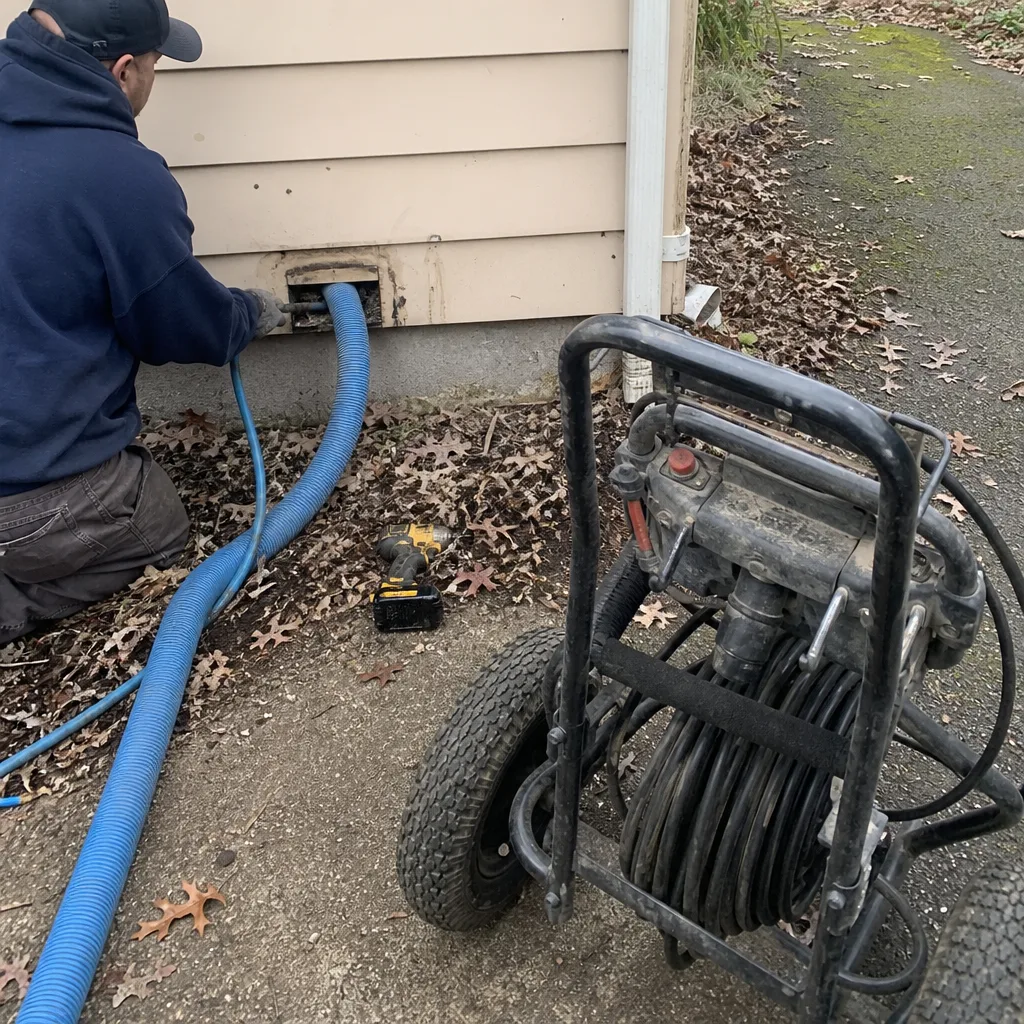 Before
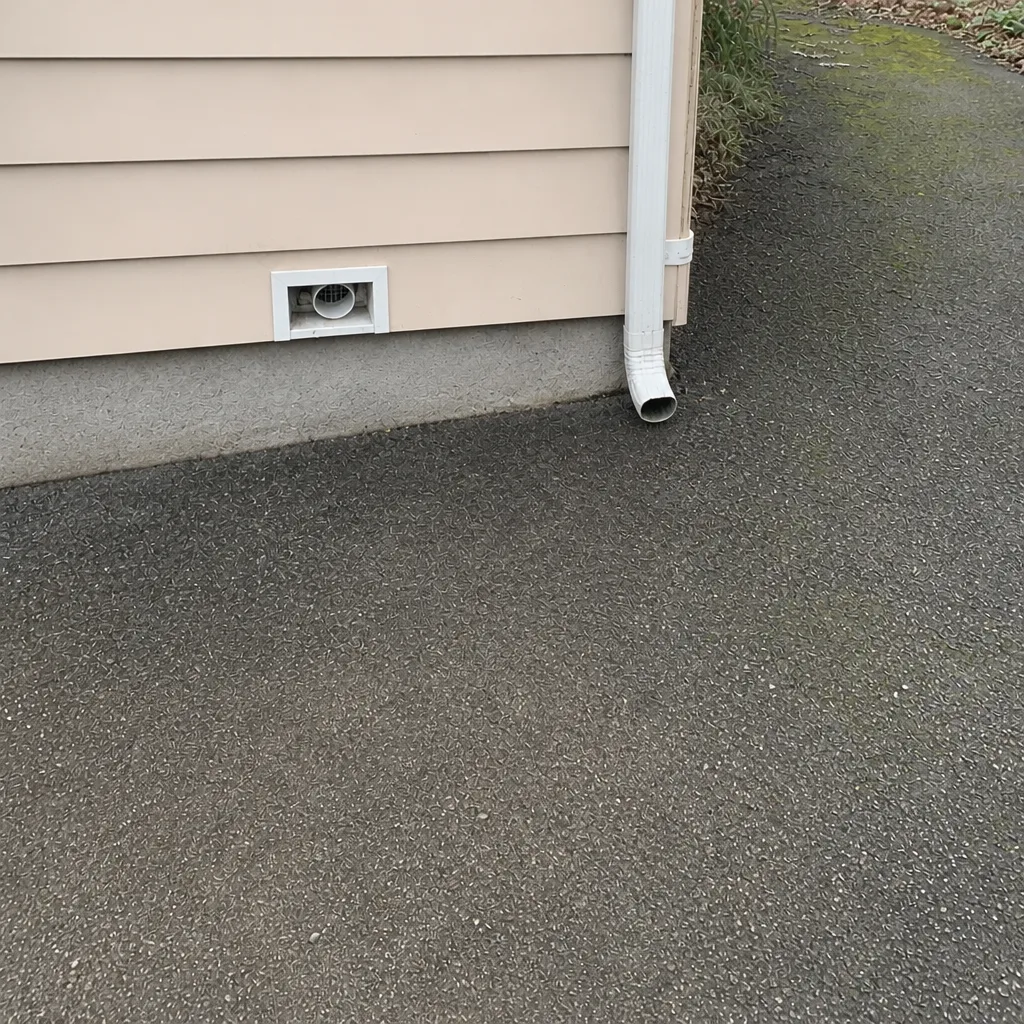 After
When to Call a Professional
Some jobs are a professional call, not a weekend project. Call us if you’re seeing visible dust blowing from registers when the system starts, if anyone in the home has allergy or respiratory triggers that worsen indoors, if the ductwork has never been cleaned in a home you’ve just bought, or if you’re coming out of a renovation that filled the returns with drywall dust. Call if your dryer takes noticeably longer to dry a load or feels hot, if the HVAC system is new and you want the existing ductwork assessed, or if you suspect a disconnected or crushed run is leaking air. A proper inspection will tell you what’s actually needed. Bellmont Air Duct Cleaning offers free estimates in St. Louis – call (877) 349-6189. Our technicians have up to 9 years of experience.
Frequently Asked Questions
For a typical single-family home in St. Louis, an estimated $400-$700 is a fair range for a thorough professional cleaning, with larger or more contaminated systems and repair work pushing higher. The written estimate sets your final price. Call (877) 349-6189 for an exact quote – estimates are free.
Low quotes often leave out the equipment that makes a cleaning thorough – negative-pressure extraction and containment – or they’re structured as per-vent teaser pricing that expands once the technician is on-site. A dramatically low price usually means the job is smaller or different than it appears. Call (877) 349-6189 to compare against a real, written line-item estimate.
Ask for before-and-after photos of your own ductwork. Any company doing thorough work documents it, and the images are your proof. A walkthrough at the end that reviews what was cleaned and repaired should come with it. Call (877) 349-6189 to book a free estimate.
There’s no fixed rule – it depends on the home. A reasonable guide is every few years for most homes, sooner after a renovation, after moving into a previously occupied house, or if dust and allergy issues are noticeable. Inspection tells you what your specific system needs. Call (877) 349-6189 for an assessment.
The humid summers and cold winters here mean the HVAC system runs hard for most of the year, which moves a lot of air through the ducts. That sustained use is a good reason to have the system inspected periodically, especially in older homes with retrofitted ductwork. Call (877) 349-6189 to schedule a free estimate.
Yes – duct repair is one of our core services, so problems found during cleaning can be quoted as a separate line item and fixed without a second contractor. You approve the repair cost before any work is done. Call (877) 349-6189 to get started.
The Bottom Line
The price of a legitimate duct cleaning in St. Louis is built from system size, access complexity, contamination level, and whether repair is included. The $99 ad and the $900 quote aren’t pricing the same service, and comparing totals alone won’t tell you the difference – reading line items will. Insist on a written estimate, one flat price per system agreed before work starts, and before-and-after photos of your own ducts. Professional-grade extraction and containment are worth paying for; a shop-vac operation isn’t, whatever the price. That’s the whole job, and it’s how you get thorough work rather than the cheapest bid you found online.
Bellmont Air Duct Cleaning is Bellmont Air Duct Cleaning, a focused indoor-air specialist handling cleaning, dryer vent cleaning, and duct repair. We use Rotobrush and Nikro extraction systems with Abatement Technologies containment equipment, and we work with trusted air-quality brands including Honeywell and Aprilaire. If you’re ready to know what a thorough job actually costs for your home, call (877) 349-6189 for a free estimate. We answer 24/7. Fast dispatch from 7am to 7pm, Sunday through Friday, closed Saturday.
Written by the team at Bellmont Air Duct Cleaning.